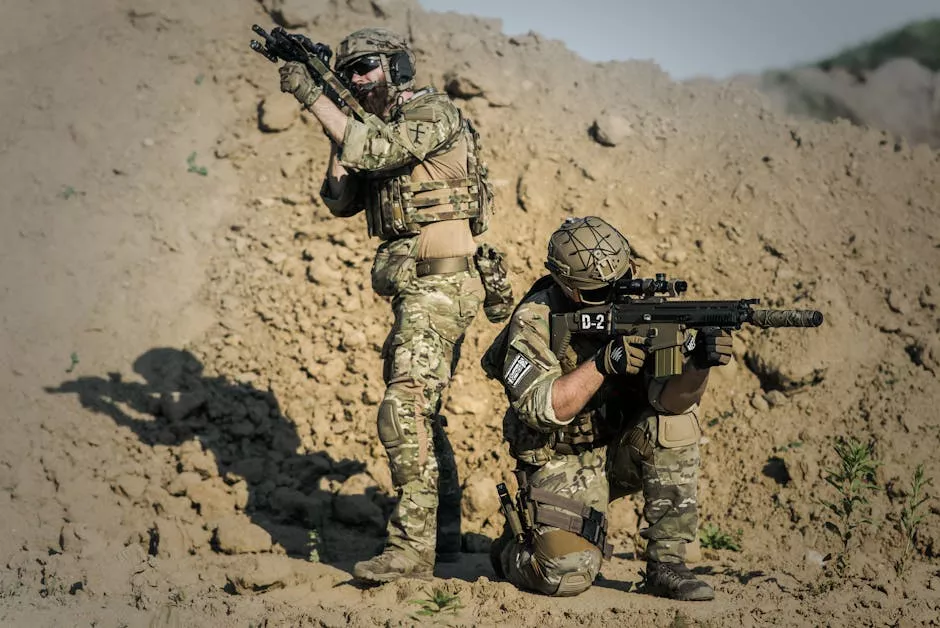
Taiwan Ends Political Standoff with $25 Billion U.S. Arms Deal
Taiwan approves a critical $25 billion U.S. arms deal, navigating regional tensions and securing its defense posture.
Senior Geopolitical Analyst

Taiwan, in a decisive move to bolster its defense capabilities amid escalating regional tensions, has successfully broken a prolonged political impasse by approving a $25 billion arms purchase from the United States this week. The Taiwanese legislature acted with urgency, recognizing that the failure to swiftly secure these deals could result in dwindling support from key allies at a time when the geopolitical stakes remain precariously high.
Historical Context and Political Nuance
This agreement marks a watershed moment in Taiwan’s precarious geopolitical landscape. Historically under the implicit defense umbrella of the United States, Taiwan's strategic positioning has always necessitated a delicate balance between deterrence and diplomacy. The recent decision to authorize such a substantial expenditure underscores a pronounced shift in Taiwan's defense strategy, driven in part by growing assertiveness in the region and concerns over potential military incursions.
The political stalemate in Taiwan's legislature, which stymied the passage of the deal, reflected broader anxieties about the island's future security posture. Lawmakers faced a dual challenge: ensuring the island's sovereignty and autonomy, while also navigating internal dissent that viewed the extensive military expenditures with skepticism, fearing economic repercussions domestically.
Regional Implications and Strategic Interests
The approval comes at a time of heightened tensions across the Indo-Pacific region, especially concerning the Philippines' and Vietnam's territorial disputes, as well as ongoing confrontations between China and Taiwan. The arms deal, predominantly composed of advanced missile systems, naval vessels, and air defense systems, aims to modernize Taiwan's military capabilities, effectively enhancing its deterrence capability against potential aggressors.
While the U.S. has long been a pivotal supplier of defense equipment to Taiwan under the Taiwan Relations Act, the scale and timing of this transaction underscore a significant commitment to bolstering defense cooperation amidst newfound strategic uncertainties in the Pacific.
China's Response and Broader Geopolitical Underpinnings
China’s response to Taiwan’s move has been predictably critical, framing it as a provocative act that undermines regional stability. The Taiwan Strait remains one of the most sensitive hotspots in East Asia, with any shift in military balance echoing across the region.
This acquisition serves as a clear message of Taiwan’s resolve to counterbalance China's growing influence and potential threats. However, it also carries the risk of further antagonizing cross-strait relations, potentially triggering an arms race or more aggressive postures.
The deal also reflects the complex web of alliances and strategic partnerships emerging in the region. The realignment and enhancement of defense capabilities are indicative of broader geopolitical calculations, particularly in the context of the United States’ strategic pivot to Asia.
Looking Forward: Strategic and Economic Considerations
Economically, the acquisition poses both opportunities and challenges for Taiwan. On one hand, it reaffirms Taiwan's position as a critical partner in regional security frameworks, potentially paving the way for deeper economic collaborations with allies. Conversely, the hefty financial burden could strain public resources and necessitate domestic adjustments to accommodate such a prominent leap in defense spending.
Nevertheless, Taiwan's government appears resolute in its strategy, recognizing that a robust defense capability creates a more autonomous and stable platform for negotiations in broader geopolitical exchanges.
Why It Matters
Why It Matters: Taiwan’s approval of this significant arms deal with the United States is crucial not only for its national defense strategy but also for regional stability in the face of mounting Chinese assertiveness. The transaction symbolizes a critical reinforcement of Taiwan's deterrence posture, simultaneously strengthening U.S. ties in the Indo-Pacific—a critical strategic theatre. This move can potentially recalibrate power dynamics within the region, igniting responses that may vary from diplomatic negotiations to an arms race. Observers should be keenly watching for China's strategic countermeasures, shifts in regional alliances, as well as Taiwan's internal political adaptations to manage the economic and social impacts of this historic deal.