Drone Strike on US Embassy in Baghdad Heightens Tensions
The US embassy in Baghdad was targeted by a drone strike as Tehran warns Emiratis, risking escalations in global energy security.
Africa & Global Economy Correspondent
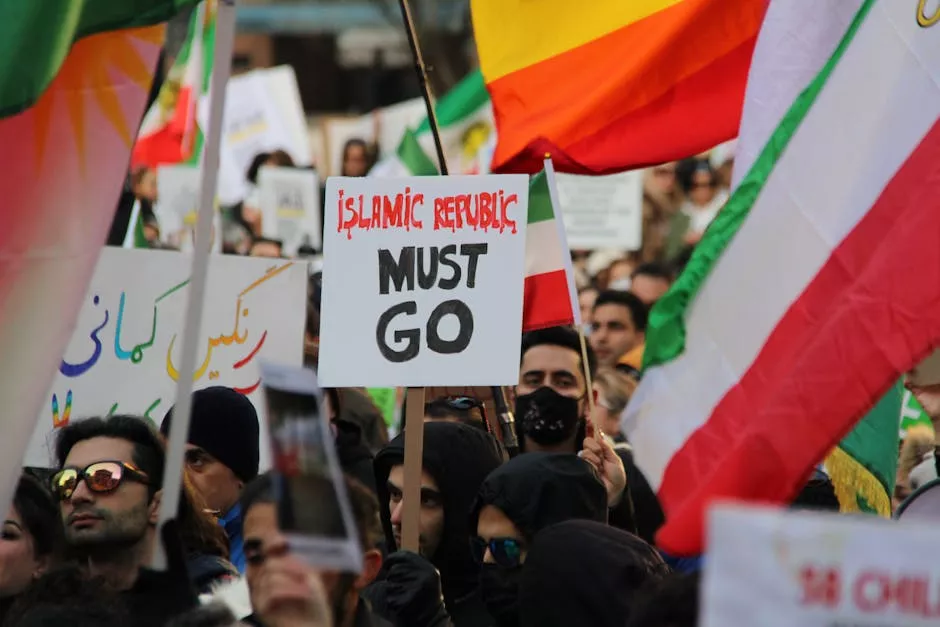
The US embassy in Baghdad was the focus of intense scrutiny on Saturday as it became the target of a drone strike. This audacious attack, set amid a growing web of Middle Eastern tensions, has only further inflamed a region already simmering with unrest. Concurrently, Iran's pointed warning to the United Arab Emirates signaled heightened fears about the possible targeting of the world's energy supply lines, a critical issue given the pivotal role these routes play in global trade and energy stability.
Heightened Tensions in the Middle East
The attack on the US embassy is the latest in a series of escalating incidents across the region. Over recent months, increasing hostility has marked the US-Iran relationship, especially after the US withdrawal from the JCPOA, commonly known as the Iran nuclear deal, and subsequent sanctions imposed on Tehran. These events have triggered a cascade of tensions, aligning with Iran’s strategic interest in asserting its influence and challenging US presence in the region.
Iran’s Strategic Moves
The Islamic Republic of Iran, leveraging its geopolitical position, has often targeted critical infrastructures, likely aiming to disrupt and thereby negotiate indirectly with global powers. By suggesting a threat to Emirati ports, Tehran seems to indicate a broader strategic landscape in mind, one that jeopardizes the stability of crucial shipping lanes like the Strait of Hormuz, through which a significant percentage of the world’s oil supply is transported.
This warning to the Emiratis signifies a risk to not just regional actors, but global economies that are intricately tied to the oil and gas emanating from the Gulf. If conflicts were to spill further into these networks, the ramifications could unsettle markets and stoke global economic instability.
A Historical Context
The US and Iran have shared a prolonged period of hostility marked by intermittent dialogues for peace and understanding. The context of their contentious relationship dates back to the 1953 Iranian coup, the 1979 hostage crisis, and continued US military presence in the region perceived as a threat by Iranian leadership. The embassy attack fits within a historical pattern of tit-for-tat actions between the two nations, where each incident builds upon decades of mistrust and antagonism.
Furthermore, the echo of these tensions resonates through the actions of regional proxies and militant groups who often act as surrogates in this multifaceted conflict landscape, heightening unpredictability and risk.
Global Implications
The ramifications of this strike extend well beyond Baghdad. The US embassy attack underlines vulnerabilities in American security systems in Middle Eastern hotspots. It raises speculation about possible US military responses and the notion of escalated defensive postures throughout American bases region-wide.
Meanwhile, Iran's maneuvering may be viewed as a strategic gambit to gather leverage over global powers vested in the energy discourse—particularly those in Europe and Asia who are reliant on stable fuel supplies. An emboldened Iranian stance could therefore shift alliance structures and create new diplomatic dialogue channels amongst international players seeking a peaceful resolution to secure global energy security.
Why It Matters
The attack on the US embassy in Baghdad represents a significant escalation in Middle Eastern tensions, reflecting longstanding US-Iran conflict and broader regional power dynamics. This event underscores the precariousness of American diplomatic and military installations in the region, highlighting potential vulnerabilities that adversaries could exploit. From a global perspective, it emphasizes the critical nature of energy security and the possible ripple effects on global markets if escalation limits oil distribution. Observers should watch for subsequent US responses, regional alignments, or potential dialogue efforts that could redefine diplomatic interactions in this volatile context.