Cuba Engages Trump Officials: Seeking Solutions Amid US Blockade
Cuba engages in dialogue with Trump officials to address bilateral differences despite ongoing US fuel blockade issues.
Senior Geopolitical Analyst
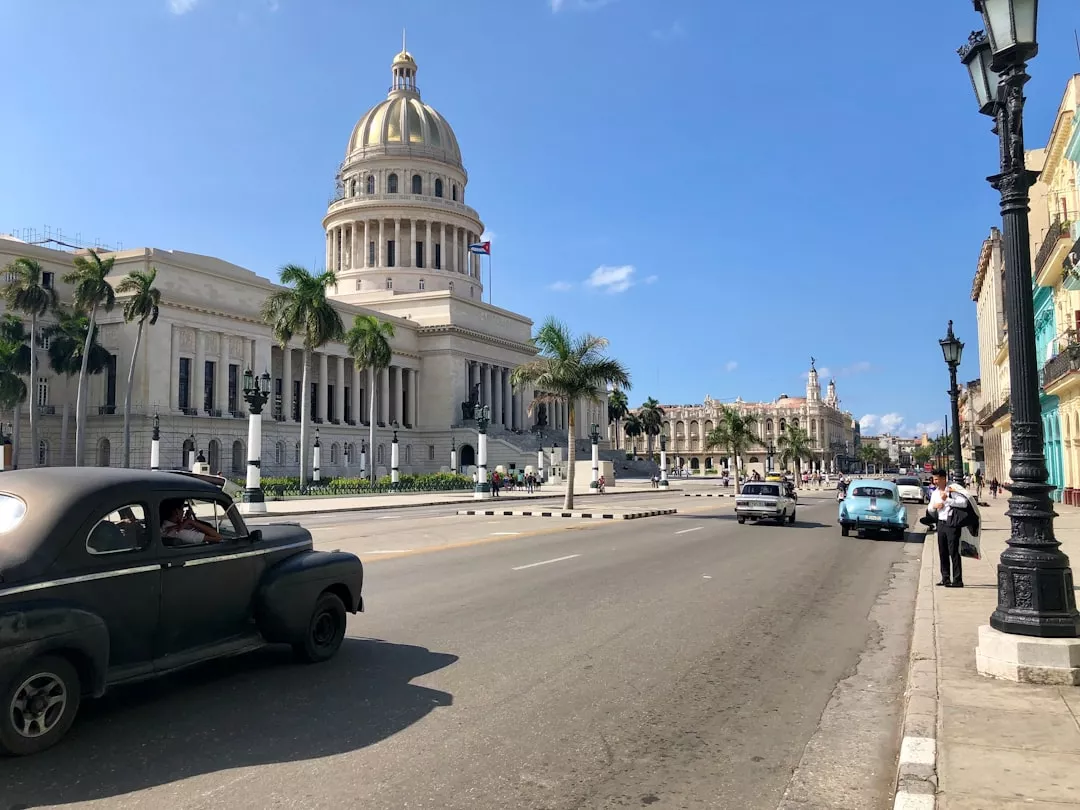
In a significant development, Cuban President Miguel Díaz-Canel has confirmed that Cuban officials have initiated talks with representatives from the administration of former US President Donald Trump. This surprise move aims to address and find solutions to long-standing bilateral differences exacerbated by the ongoing US blockade, which has particularly strained Cuba's fuel supplies and infrastructure.
Background of US-Cuba Relations
The relationship between the US and Cuba has been fraught with tension for decades, dating back to the Cold War era. Following the Cuban Revolution in 1959, the US imposed a stringent trade embargo on the island nation, which remains a critical point of contention. Efforts to thaw relations have been sporadic, with notable détente initiatives during the Obama era, which saw embassies reopened and travel restrictions eased.
However, the Trump administration reversed many of these policies, reinstating stringent sanctions and adding additional pressure on the Cuban economy. The enduring US embargo, along with a specific focus on restricting Cuban access to energy resources, has contributed significantly to the present challenges faced by the nation's citizens, evidenced by frequent power outages and logistical difficulties in procuring essential goods.
Current Negotiations
During his prerecorded address to high-ranking Communist officials, President Díaz-Canel emphasized the importance of dialogue. “These talks have been aimed at finding solutions through dialogue to the bilateral differences we have between the two nations,” he stated. The primary objective of these discussions is believed to be alleviation of the fuel blockade, which has been a critical bottleneck in Cuba's economic recovery efforts.
The US blockade has not only impacted the energy sector but has also stifled various other economic opportunities by dissuading international companies from engaging with Cuba due to potential penalties from Washington. Despite the tense history, the indication of dialogue may be seen as a pragmatic approach by Havana to mitigate some of these stringent measures.
Geopolitical Implications
This development occurs against a backdrop of shifting regional dynamics. As US-Cuba relations vacillate, other global powers, principally Russia and China, have sought to expand their influence in Latin America. Progressive engagement with the US may provide Cuba with more leverage in its international dealings, balancing external influence with domestic economic needs. For the US, navigating a new pathway with Cuba could signal a recalibration of its foreign policy approach in the region, particularly in light of growing geopolitical competition.
The potential easing of some restrictions might not only benefit Cuba economically but could also spark broader regional discussions on trade, stability, and cooperation. A closer US-Cuba relationship could set a tone for resolving other simmering regional disputes through dialogue rather than confrontation.
Challenges Ahead
Despite the initiation of talks, substantial challenges remain. The change in US administration and its resultant policy shifts towards Cuba will play a pivotal role in determining the outcome of these negotiations. Domestic political dynamics within both nations could sway public and political support for any new agreements.
Additionally, the Cuban leadership will need to balance these external discussions with addressing internal demands for greater transparency and improved living conditions, which have been amplified by the economic hardships of recent years.
Why It Matters
The initiation of talks between Cuba and Trump officials marks a potentially pivotal moment in international relations in the Americas. Historically, US-Cuba relations have had significant sagas of conflict and detente, each with far-reaching implications not only for these two nations but also for the region as a whole. Should these negotiations succeed, they could open new avenues for economic and diplomatic engagements in the Caribbean and Latin America, reducing Russia and China’s influence.
For the global community, the resolution of US-Cuba tensions could also signal a shift towards more engagement-based foreign policy strategies, emphasizing negotiation over isolation. As both nations grapple with internal pressures and external challenges, the talks offer a glimmer of hope for constructive solutions and improved bilateral relations. Stakeholders should watch for subsequent steps, such as potential easing of sanctions and expanded dialogue, which could pave the way for a more integrated regional framework.