Climate Change Threatens Europe's Christmas Traditions and Culture
Rising temperatures across Europe are eliminating traditional white Christmases, forcing communities to adapt centuries-old holiday customs as snow becomes increasingly rare.

The iconic image of Santa Claus navigating snow-covered rooftops and children building snowmen in December may soon become a relic of the past as climate change fundamentally alters Europe's winter landscape. Across the continent, traditional Christmas celebrations are being forced to evolve as reliable snowfall becomes increasingly elusive.
The Changing Face of European Winters
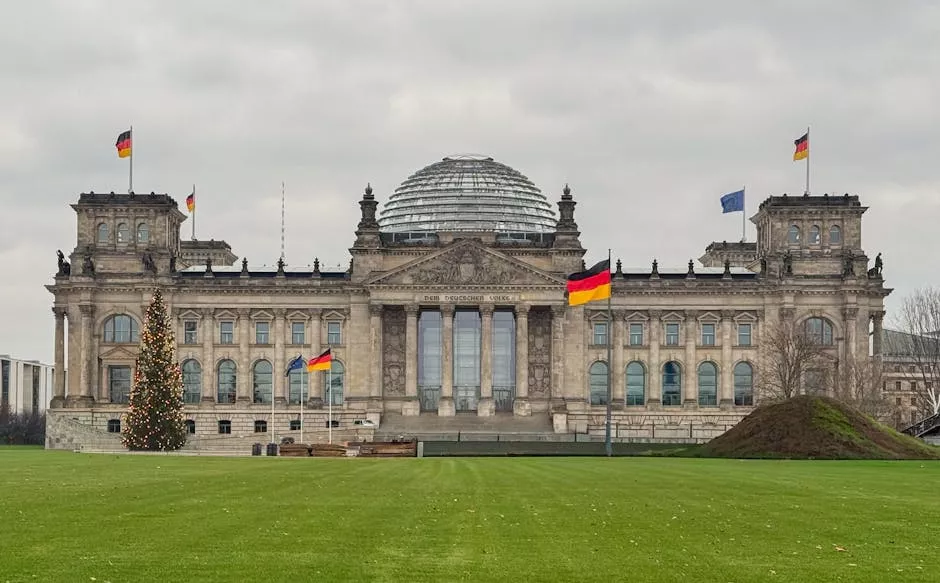
Temperature records across Europe paint a stark picture of warming winters. Germany, traditionally known for its Christmas markets set against snowy backdrops, has experienced significantly warmer December temperatures over the past decade. The Alps, once guaranteed to provide white Christmas scenes, now see rain instead of snow at lower elevations, fundamentally changing the tourism industry and local economies dependent on winter sports.
This climatic shift extends far beyond mere aesthetics. The European Environment Agency reports that winter temperatures have risen faster than the global average, with some regions experiencing increases of up to 2.5 degrees Celsius since the 1960s. These changes are reshaping not just weather patterns, but cultural traditions that have defined European identity for centuries.
Cultural and Economic Adaptations
Communities across Europe are implementing creative solutions to preserve Christmas traditions. Austrian ski resorts are investing heavily in artificial snow-making technology, while German Christmas markets are emphasizing culinary traditions and crafts rather than relying on natural winter ambiance. Nordic countries, traditionally the heart of winter folklore, are developing indoor winter experiences and adjusting their tourism strategies.
The economic implications are substantial. Winter tourism, worth billions of euros annually to European economies, faces unprecedented challenges. Ski resorts in lower-altitude regions are diversifying into year-round destinations, while traditional Christmas tourism hotspots are reimagining their seasonal offerings.
Geopolitical Implications
This cultural transformation reflects broader geopolitical tensions surrounding climate policy. European Union climate initiatives, including the Green Deal, are partly motivated by such visible changes affecting daily life and cultural identity. The challenge of preserving cultural heritage while addressing climate change has become a significant political issue, influencing everything from municipal planning to international climate negotiations.
The phenomenon also highlights the uneven impact of global climate change, as Northern European countries experience more dramatic shifts than their southern neighbors, potentially altering regional dynamics and migration patterns within Europe.
Looking Forward
As Europe grapples with these changes, the question isn't whether Santa Claus can survive in a warming world, but how European societies will adapt their most cherished traditions while confronting the reality of climate change. The answer may well define not just future Christmases, but Europe's broader cultural resilience in an era of environmental uncertainty.