China's Strategic Concerns as Iran Conflict Ripples Globally
China is navigating the geopolitical impacts of the Iran war, weighing its regional ambitions against emerging threats to stability.
Senior Geopolitical Analyst
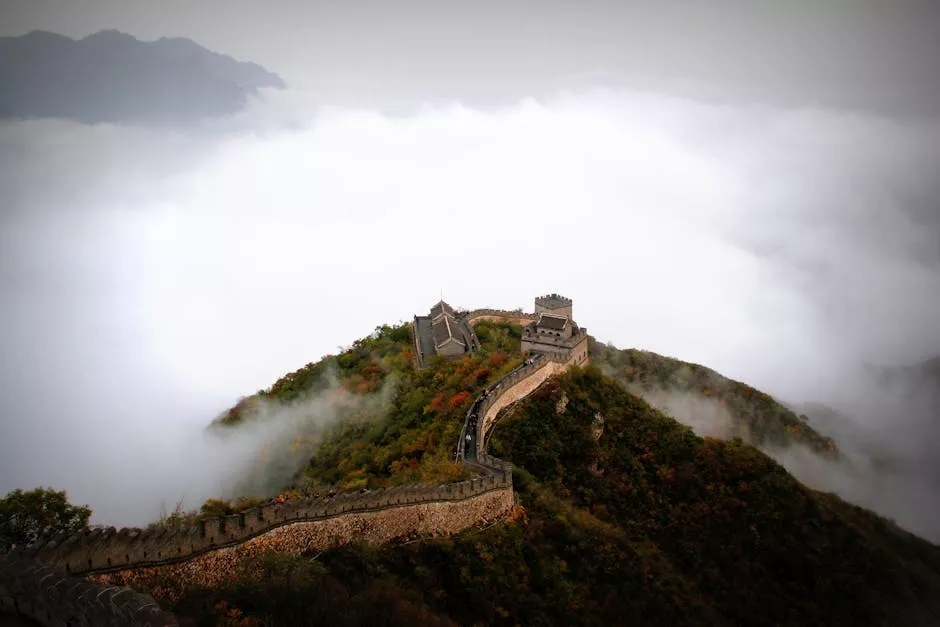
The growing unrest in Iran poses a significant conundrum for China's diplomatic strategy, echoing through the corridors of global geopolitics. As conflict intensifies in the Middle East, China's ambitions—rooted in its Belt and Road Initiative (BRI) and strategic alliances—are facing unforeseen challenges. While Beijing is not directly involved, the ripples of the conflict are unsettling its carefully laid-out plans.
Historical Context of China-Iran Relations
China and Iran have enjoyed cordial relations for decades, cemented by economic partnerships and mutual opposition to Western dominance. The joint comprehensive plan of action (JCPOA) withdrawal by the United States in 2018 saw China stepping up as a stabilizing partner for Iran, offering economic lifelines and diplomatic support. This partnership aligns with China's broader objective: to secure energy resources for its burgeoning economy while expanding its geopolitical influence.
China's Middle East Strategy
The Middle East is not just a source of vital energy supplies for China; it's a strategically significant region for the BRI, China's ambitious infrastructure project aimed to enhance connectivity and trade routes across Asia, Africa, and Europe. China's vested interests in stability are paramount, making any regional instability a direct threat to its strategic investments.
In recent years, China has positioned itself as a neutral broker in the region, often advocating for diplomatic solutions over military interventions. This stance is increasingly tested as the conflict in Iran escalates, creating potential disruptions in oil supplies and aligning regional powers into competing camps.
Geopolitical Implications
The Iran conflict has wider implications than immediate regional instability. For China, any disruption of the Persian Gulf's supply chain threatens its energy security, a pillar of its economic expansion. Moreover, escalating tensions could see a more involved United States, complicating China's own regional maneuverings.
There's also the question of aligning strategies with Russia, another key player in Middle Eastern geopolitics. While both countries share an interest in diminishing U.S. influence, diverging priorities regarding Iran pose a diplomatic tightrope for Beijing.
Regional Perspectives
Middle Eastern countries are watching China's moves keenly. As Iran navigates through its turmoil, countries like Saudi Arabia and the UAE are also recalibrating their alliances, realizing the necessity of balancing between Western allies and emerging powers like China. For Israel, the strategic ambiguity surrounding China's intentions adds another layer to its security considerations.
China's Diplomacy in a Multipolar World
Amidst the turmoil, China continues to advocate for dialogue and economic partnership, keenly aware of the need to maintain the delicate balance between its strategic ambitions and the risks posed by a destabilized Iran. China's approach has been to support regional stability through economic means, avoiding direct military involvement or overt political entanglement.
However, as the conflict escalates, questions loom over how long China can maintain a policy of non-intervention whilst protecting its strategic interests.
Why It Matters
The ongoing conflict in Iran holds substantial ramifications for global geopolitics, making China's position pivotal. Historically reliant on Iran for oil, China faces profound challenges should regional tensions obstruct energy flows. The unfolding events compel China to reassess its non-interventionist policy amidst global calls for more active diplomatic engagement. Watching China's next moves will be crucial as they hint at possible shifts towards a multipolar global order, where economic considerations increasingly dictate geopolitical strategies.