Berlin Hosts Key Ukraine Summit as Turkey Proposes Ceasefire Plan
German Chancellor Merz convenes crucial talks with Zelenskyy and NATO allies in Berlin while Turkey's Erdogan presents limited ceasefire proposal to Putin.

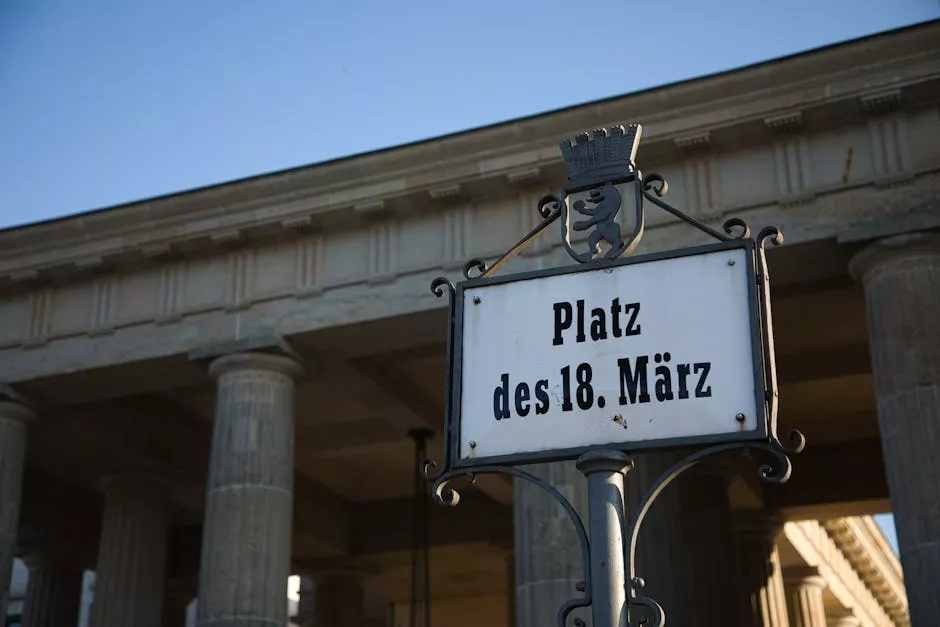
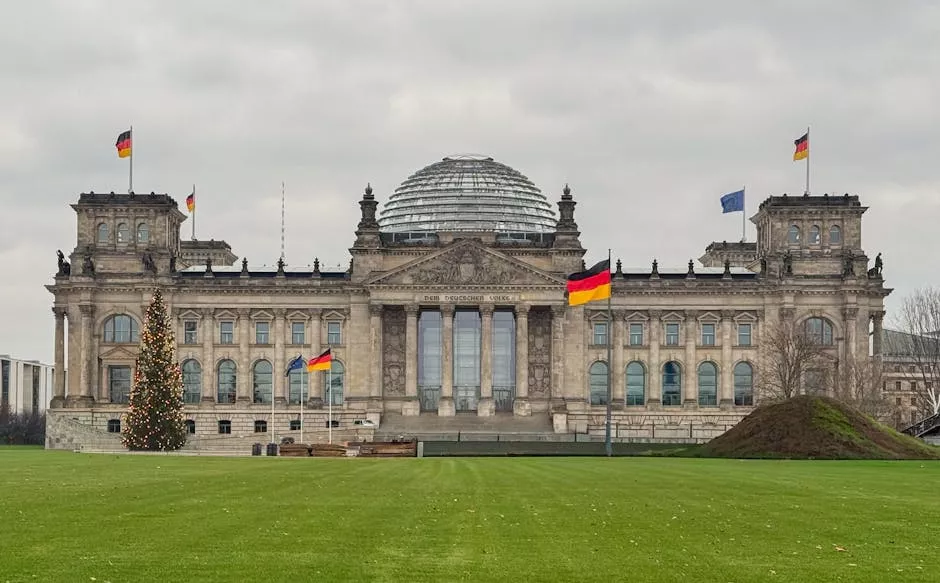
German Chancellor Friedrich Merz is set to host a high-stakes diplomatic gathering in Berlin, bringing together Ukrainian President Volodymyr Zelenskyy and numerous European and NATO leaders for critical discussions on the ongoing conflict in Ukraine. This summit comes at a pivotal moment as international efforts to find a resolution to the nearly two-year war intensify.
Berlin Takes Center Stage in Ukraine Diplomacy
The choice of Berlin as the venue for these crucial talks underscores Germany's growing role as a key mediator in European security affairs. Chancellor Merz, who assumed leadership following Angela Merkel's era, has positioned Germany as a central hub for coordinating Western support for Ukraine while simultaneously exploring diplomatic avenues for conflict resolution.
The gathering represents one of the most significant diplomatic initiatives since the conflict began, with participation from 'many' European and NATO leaders signaling a unified approach to addressing the crisis. The summit's agenda is expected to cover continued military and financial support for Ukraine, reconstruction plans, and potential pathways to peace negotiations.
Turkey's Ceasefire Initiative
Parallel to the Berlin summit, Turkey's President Recep Tayyip Erdogan has emerged as an unexpected diplomatic player, proposing a limited ceasefire during recent discussions with Russian President Vladimir Putin. This initiative highlights Turkey's unique position as a NATO member that maintains diplomatic relations with both Russia and Ukraine.
Erdogan's ceasefire proposal represents a significant development in the diplomatic landscape, potentially offering a framework for de-escalation. Turkey's strategic location and its ability to communicate with all parties involved make it a valuable intermediary in any peace process. The specifics of the proposed ceasefire remain unclear, but it likely involves temporary cessation of hostilities in specific regions or for humanitarian purposes.
Geopolitical Implications
The simultaneous occurrence of these diplomatic initiatives reflects the international community's renewed push for a negotiated settlement. The Berlin summit demonstrates Western unity and commitment to Ukraine's sovereignty, while Turkey's ceasefire proposal suggests that even Russia's remaining partners are seeking ways to end the conflict.
These developments come at a crucial time when military operations have reached a relative stalemate, and both sides may be more receptive to diplomatic solutions. The winter months have historically been periods of reduced military activity, potentially creating windows for meaningful negotiations.
Challenges Ahead
Despite these diplomatic efforts, significant obstacles remain. Ukraine has consistently maintained that any ceasefire must include Russian withdrawal from occupied territories, while Russia continues to demand recognition of its territorial claims. The success of both the Berlin talks and Turkey's ceasefire initiative will largely depend on the willingness of all parties to make meaningful concessions.
The international community watches closely as these parallel diplomatic tracks unfold, representing perhaps the most promising opportunity for peace since the conflict's inception.