BBC's Return to Iran: Unveiling the Real Impact of Crackdown
The BBC revisits Iran post-protest crackdown, analyzing the enduring socio-political turbulence and international implications.
Senior Geopolitical Analyst
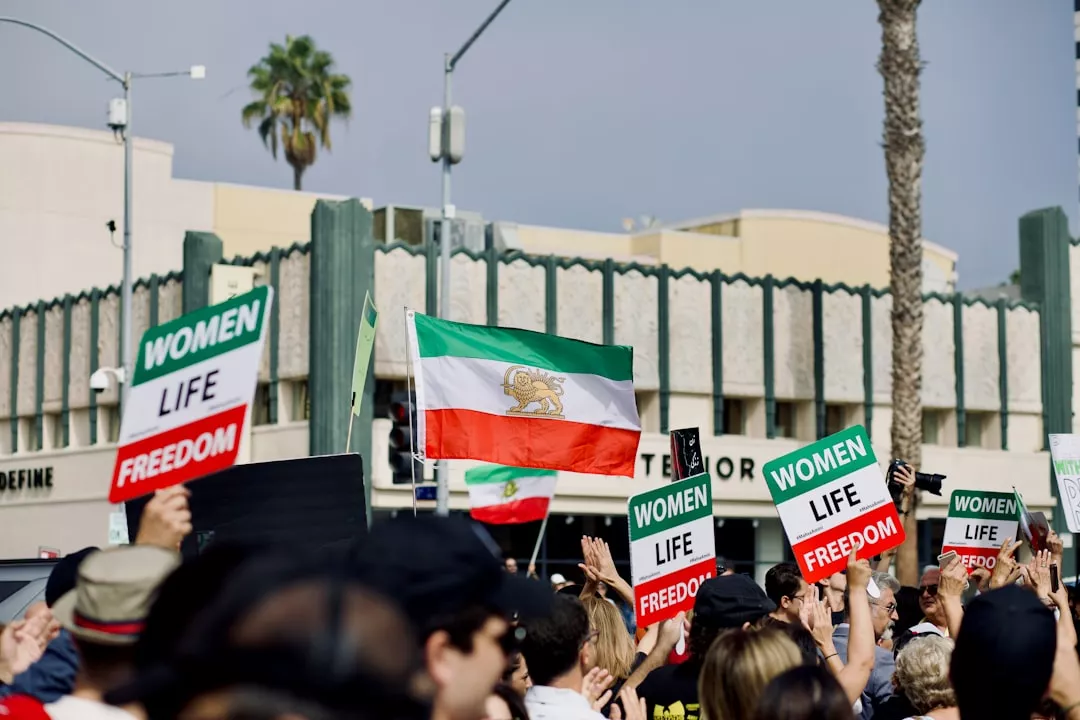
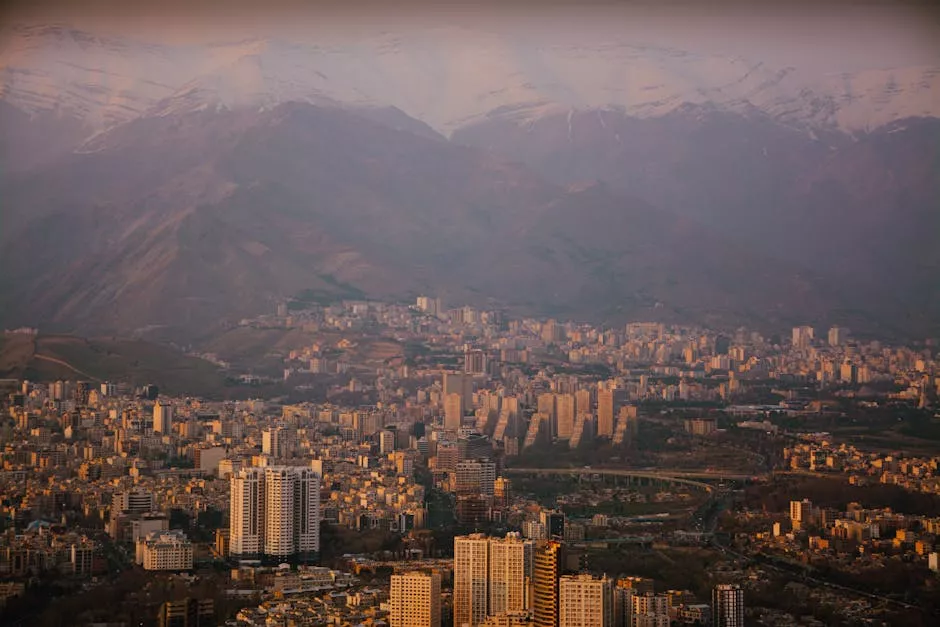
For the first time since the stringent protest crackdowns in Iran, the BBC has returned to Tehran, with veteran journalist Lyse Doucet leading the report. Doucet's coverage comes as a sobering reminder of the unrest that gripped the nation and the subsequent ramifications that still resonate both domestically and internationally.
The Aftermath of the Crackdown
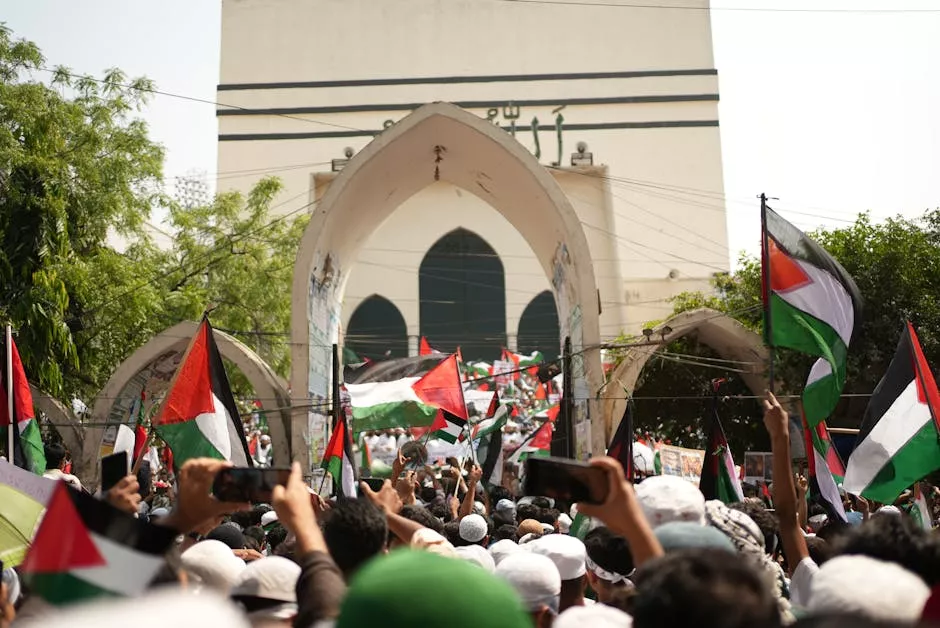
The protests, sparked by socio-economic grievances and demands for political reform, were met with unprecedented force by the Iranian government. The use of such measures not only quelled the immediate unrest but also left the population in a state of fear and anger. Streets that once echoed with the voices of dissent have now fallen silent, but the pain and discontent remain profoundly etched in the collective memory of many Iranians.
With Doucet on the ground, reporting on the current sentiment, it's clear that while the physical manifestations of protests have dwindled, the undercurrent of tension persists. Numerous testimonies and anecdotes from citizens reveal a society caught between the desire for change and the oppression of authoritative control.
Historical Context and Sociopolitical Dynamics
Iran has frequently found itself at the center of both regional and international conflicts, often exacerbated by its complex internal dynamics. Historically, the nation has experienced cycles of reform and repression, with each reaction inevitably shaping its political landscape. The recent crackdown is a stark reminder of past uprisings, notably the 2009 Green Movement, which similarly faced severe suppression.
The Iranian political apparatus, led by a theocratic regime, has historically maintained its grip through a combination of strategic geopolitical maneuvers and internal surveillance. These crackdowns are not just attempts to stifle dissent but are manifestations of a deep-seated struggle for control over the nation's ideological trajectory.
Regional and Global Implications
The implications of these events extend beyond Iran's borders. Regionally, Iran's actions are closely watched by its neighbors and global powers, pondering over the stability and future trajectory of Middle Eastern geopolitics. The crackdown, while initially a domestic affair, speaks volumes about Iran's stance against Western influence and its continuous struggle for regional hegemony.
Globally, the response to Iran's handling of protests is a barometer for international relations. Western nations have condemned the actions, citing human rights concerns, which further strains diplomatic engagements. The return of international media like the BBC indicates significant global interest and concern over Iran's future direction, both politically and economically.
The Role of the Media and International Community
The BBC’s coverage underscores the vital role that media plays in bringing to light issues that authoritarian regimes often seek to obscure. The presence of international journalists on the ground is a double-edged sword; while it brings global attention to domestic issues, it also puts such journalists at risk in volatile environments.
Meanwhile, the international community continues to grapple with how best to engage with Iran. Sanctions, often the preferred tool of Western nations, have their own set of humanitarian implications and raise questions about their efficacy in addressing political grievances.
As Iran navigates its internal challenges, the world watches, waiting to see if any meaningful reforms emerge from this period of tension or if more authoritarian measures are to follow.
Why It Matters
The broader geopolitical significance of the BBC's return lies in its capacity to shed light on Iran's internal dynamics, impacting global diplomatic conversations and foreign policy strategies. Given Iran's pivotal role in Middle Eastern politics and energy markets, any significant shift in its internal or external policies can have far-reaching implications. The international community, especially Western nations, will likely continue to focus on human rights as a critical aspect of their diplomatic engagements with Tehran.
Moving forward, observers should watch for any signs of thawing relations between Iran and the West, as well as internal movements that could indicate shifts towards reform. The international spotlight can act as a catalyst for change, provided it is leveraged with strategic diplomacy and conscientious support for the Iranian populace's aspirations for freedom and economic betterment.