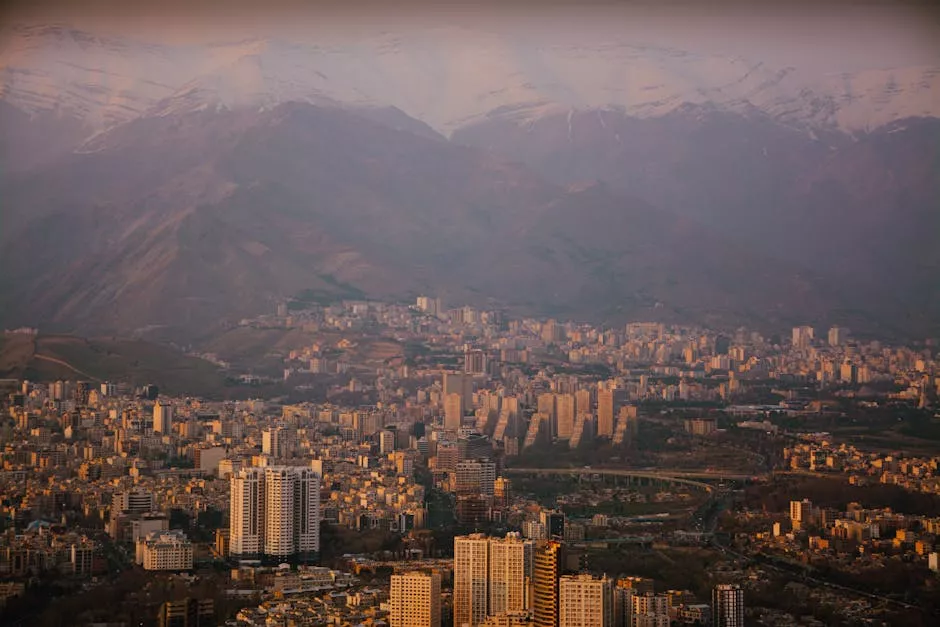
Amid Festivities, Conflict Intensifies in Iran's Third Week
The conflict in Iran deepens during Nowruz and Ramadan's end, marking the war’s third week as regional tensions surge.
International Relations Correspondent
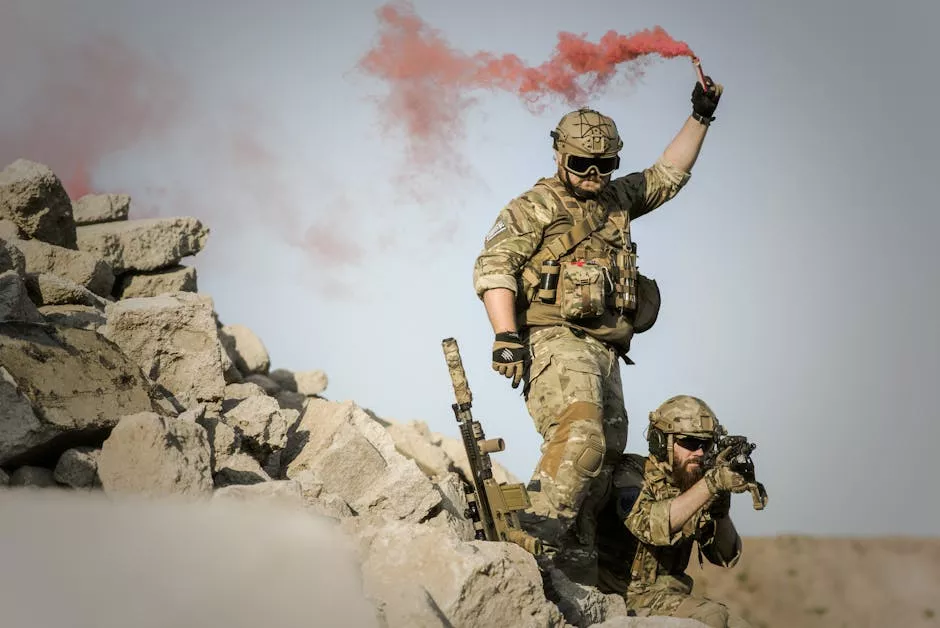
The Persian New Year, Nowruz, and the sacred conclusion of Ramadan, which are usually occasions for celebration and reflection, have this year been overshadowed by a persistent escalation of conflict in Iran as the war reaches its third week. As strikes continue across the country, the geopolitical landscape becomes increasingly fraught, posing significant ramifications for regional stability and international relations.
Historical Context: The Seeds of Strife
The origins of this conflict can be traced back to decades of political tension and ideological rivalries both within Iran and between Iran and several stakeholders in the Middle East. Historically, Iran has played a pivotal role in the region, often finding itself at odds with neighboring states and Western powers due to its strategic aspirations and theocratic governance system.
A major turning point came with the Islamic Revolution in 1979, which dramatically shifted Iran's political landscape and created friction with both neighboring countries and superpowers. Subsequent wars, sanctions, and diplomatic standoffs have continually shaped the region's complex geopolitics.
Regional Perspectives: Tensions and Alliances
The current conflict intensifies amid existing regional tensions involving key players like Saudi Arabia, Israel, and the United States. Each of these nations plays a strategic role in the broader Middle Eastern geography. Saudi Arabia and Iran have long been embroiled in a proxy struggle for regional dominance, which often flares into direct or indirect military confrontations.
Israel's stance involves significant concerns about Iran's nuclear ambitions. The ongoing conflict is seen as a critical test of Israel's security policies and its strategic partnerships, particularly with the United States, which provides military and technological support aimed at counterbalancing Iran's influence.
For Iran, alliances with nations such as Russia and China offer alternative diplomatic channels and support systems, helping to offset pressures from Western sanctions and military opposition.
Geopolitical Implications: A Broader Perspective
The continuation of hostilities in Iran could have wide-reaching implications, potentially triggering disruption in global energy markets and fostering further instability in an already volatile region. By engaging their military capabilities, regional allies and adversaries risk overextending themselves, perhaps sparking broader conflict that transcends national borders.
Emerging developments highlight the importance of multilateral diplomacy to prevent the conflict from escalating into a regional catastrophe. The stakes involving Iran's nuclear aspirations add another layer of complexity, with potential diplomatic agreements posited as crucial steps toward detente.
Internal Dynamics: The Iranian People’s Experience
Amidst these geopolitical machinations, the Iranian population bears the brunt of the conflict's hardship. As the war drags on, economic conditions worsen, magnified by sanctions that impact everything from daily commodities to healthcare.
Civil movements within Iran demonstrate potential ordeals for the ruling regime, as citizens call for reforms and an end to the ongoing violence. The intricate balance between governance and public dissatisfaction lies at the heart of Iran's domestic instability.
Why It Matters
The protracted conflict in Iran holds significant consequences for regional and global security. This unrest not only threatens Middle Eastern stability but also jeopardizes international peace by potentially disrupting the global oil supply and encouraging weapons proliferation. As major powers such as the United States and Russia navigate their involvement through diplomacy and military posturing, global attention remains fixed on potential resolutions or escalations. The conflict's resolution may serve as a bellwether for Middle Eastern geopolitics and influence superpower relations with Iran, emphasizing the need for effective diplomatic engagements and regional dialogue to mitigate potential conflicts. Continued monitoring of Iran’s internal dynamics and international responses will provide crucial insight into the region’s trajectory.