AI-Generated War Images From Iran Mislead Global Media
AI-generated images depicting war in Iran duped major outlets, showing the vulnerability of media to manipulated visuals.
Senior Geopolitical Analyst
The Unveiling of AI Misdeeds
The emergence of artificial intelligence (AI) technologies has rapidly revolutionized various industries, including media. Recently, AI-generated images purportedly depicting a wartime scenario in Iran managed to mislead several global media outlets, including notable names such as Deutsche Welle. This mistake highlights an essential yet underappreciated challenge: the ability of AI tools to create highly convincing fake images that can infiltrate trusted newsrooms.
A Rapid Spread of False Narratives
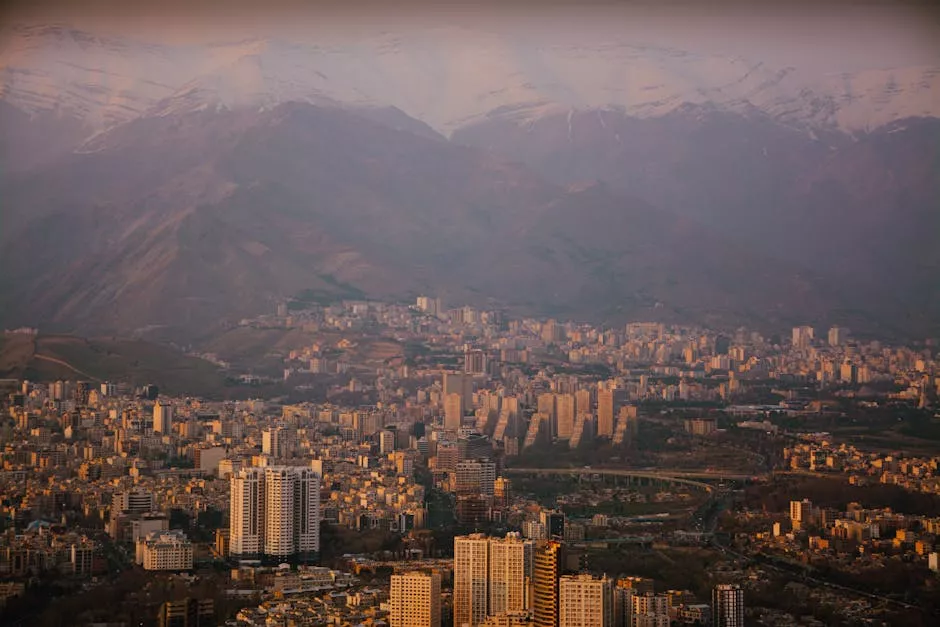
In recent years, the precision and accessibility of AI-generated content have increased exponentially. The doctored images reportedly showcased war-torn landscapes and turmoil in Iranian cities, convincingly manipulating visual depictions to simulate authentic conflict scenes. Within hours, these images had circulated among newsrooms worldwide, leading to significant dissemination of misinformation.
The wide acceptance of these images reflects a deeper issue in modern journalism: the struggle to balance quick news dissemination with stringent verification processes. As news organizations rush to report on breaking events, the temptation to leverage available visuals often undercuts the necessity of authenticity checks.
Historical and Regional Context
Iran's geopolitical positioning has historically placed it at the nucleus of Middle Eastern tensions. With its strategic location, vast energy resources, and nuclear ambitions, Iran remains a focal point of international attention. Media representations of Iran, thus, carry significant weight, influencing public perceptions and policy decisions alike.
The allure of sensational reporting on Iranian affairs can perpetuate stereotypes and misunderstandings. Misleading images exacerbate these issues by framing a narrative where none exists, potentially inflaming regional tensions further.
Geopolitical Implications
The circulation of fabricated war imagery in international news can have profound geopolitical repercussions. Such imagery can shape foreign policy debates, potentially encouraging a more aggressive approach towards Iran. Countries may base diplomatic or military interventions on distorted realities presented by these images.
Moreover, these incidents exacerbate existing mistrust between Iran and Western media, breeding cynicism and reinforcing narratives of media bias. It calls into question the ethical responsibilities of media outlets in an era where technology can outpace traditional verification methodologies.
Spotting the Fakes
Though AI technology is evolving, certain tell-tale signs can help in identifying fake images. Unnatural lighting or shadows, inconsistencies in reflections, distorted objects, and aberrations in facial features are typical indicators of AI-generated content. Furthermore, reverse image searches and consulting image metadata can provide initial insights into an image's authenticity.
Journalists and editors must prioritize media literacy and skepticism when analyzing potential news assets. Incorporating AI-based verification tools and collaborating with experts in digital forensics can bolster newsroom defenses against such fabrications.
The Way Forward
In mitigating misinformation, media organizations must strike a balance between speed and accuracy. Establishing stringent editorial guidelines for the verification of visual content is essential. Continuous training in digital literacy for journalists will prepare them better for discerning credible sources from manipulated content.
Why It Matters
Why It Matters
The episode of AI-manipulated images misleading global media highlights a critical challenge in today’s information ecosystem. As AI capabilities continue to advance, the threat of fabricated news potentially driving political and societal narratives grows troublingly tangible. This event underscores the necessity for enhanced vigilance and updated verification strategies in journalism, ensuring that news dissemination does not become a vehicle for misinformation. Moreover, it emphasizes the importance of international cooperation to develop standards and tools to detect and counteract digital deceptions, thus preserving the integrity of both regional and international discourse surrounding contentious areas such as Iran.