Vatican Rejects Trump's 'Board of Peace,' Supports UN's Role
The Vatican declines participation in Trump's 'Board of Peace', citing the UN as the appropriate forum for addressing global crises.
Senior Geopolitical Analyst
The Vatican has taken a historically significant stance by declining participation in US President Donald Trump's newly proposed 'Board of Peace'. In a statement, the Vatican emphasized that the United Nations is the most appropriate entity to manage global crises, reinforcing its long-standing support for multilateralism and established international institutions.
Trump's Ambitious Proposal
President Trump announced the 'Board of Peace' as a platform intended to address various global conflicts and foster international peace treaties. This initiative comes amidst the backdrop of an increasingly complex international landscape, where traditional geopolitical alignments are frequently challenged by emerging global actors. The initiative, however, has sparked debate among global leaders regarding its potential effectiveness and implications for existing diplomatic structures.
Vatican's Historical Stance on Peace
The Vatican has been a proponent of peace and diplomacy for centuries, often serving as a neutral ground for conflict resolution. The Holy See's refusal to join the 'Board of Peace' aligns with its historical advocacy for international cooperation through established bodies like the United Nations. This reflects a preference for inclusive dialogue over unilateral initiatives.
The Role of the United Nations
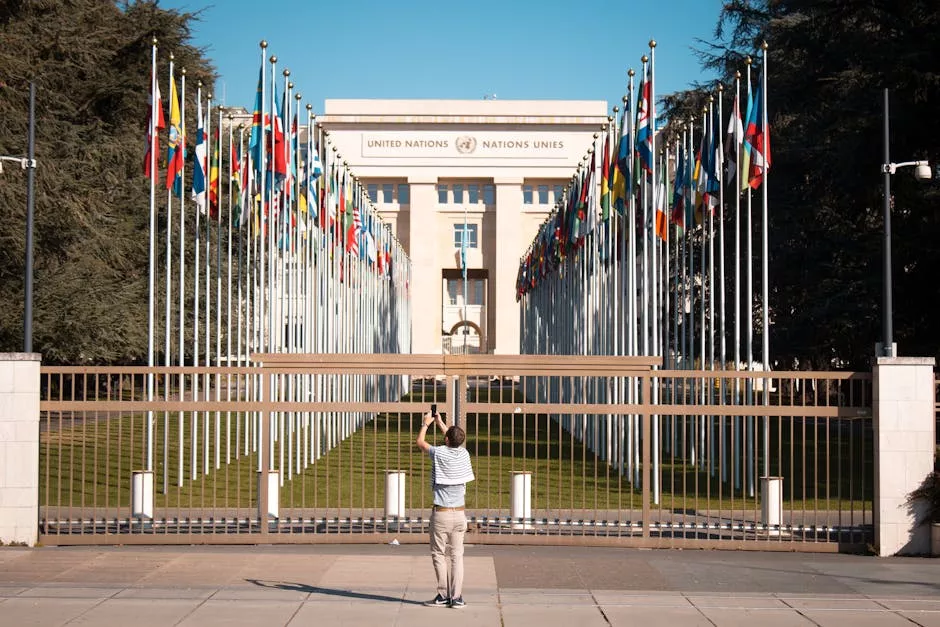
The United Nations, established in the aftermath of World War II, is perceived by many, including the Vatican, as the cornerstone of international peace and security. The Vatican's statement highlights the UN's comprehensive framework for international cooperation and conflict resolution, which has been crucial in navigating global challenges.
Reactions from the International Community
The Vatican's decision has drawn varied responses from the international community. While some nations and organizations have voiced support for the Vatican's stance, citing the importance of multilateral diplomacy, others argue that new mechanisms to enhance global peace efforts should be explored, especially in light of the UN's sometimes sluggish responses to emerging crises.
Geopolitical Implications
The rejection of the 'Board of Peace' by the Vatican is not just a procedural statement; it reflects deeper geopolitical concerns. It raises critical questions about the future of international diplomacy, the role of influential non-state actors like the Vatican, and the balance of power in global decision-making forums. The decision underscores the ongoing debate over the efficiency and adaptability of the UN system amidst shifting geopolitical paradigms.
A Turning Point for Global Diplomacy?
This event could mark a crucial turning point in how peace initiatives are approached on the global stage. If the 'Board of Peace' gains traction without the Vatican's endorsement, it may set a precedent for future international collaborations being crafted outside the auspices of long-established institutions. Alternatively, the Vatican's stance might encourage a renewed focus on strengthening the UN's capacities and reaffirming its central role in global governance.
Why It Matters
The Vatican's decision to steer clear of President Trump's 'Board of Peace' underscores the critical role of institutional legitimacy in international relations. By reaffirming its support for the United Nations, the Vatican positions itself as a defender of multilateralism — a stance crucial at a time when nationalist and unilateral policies are on the rise globally. The development influences how peace negotiations might be structured in the future, potentially determining the balance between traditional diplomatic channels and new, unconventional platforms. Observers should watch for any shifts in how powerful global players approach diplomatic crisis management — whether they adhere to established forums or seek alternatives to address rapidly evolving geopolitical challenges.