U.S.-Zambia Tensions Highlight Global Minerals Power Struggle
The U.S.-Zambia dispute over health aid and minerals underscores a strategic shift in global power dynamics.
Africa & Global Economy Correspondent
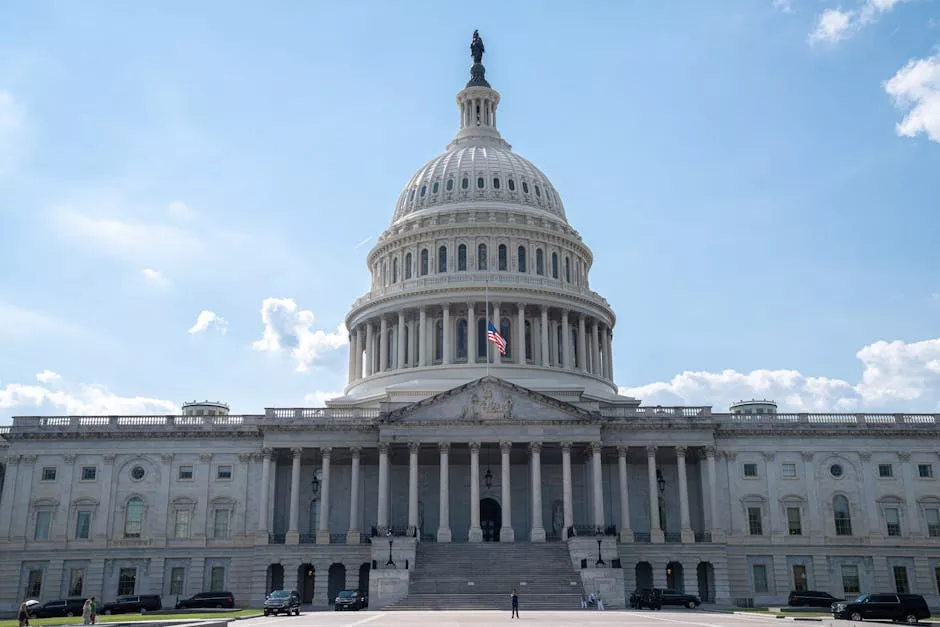
The recent geopolitical conflict between the United States and Zambia has captivated international attention, emerging as a significant incident in the arena of global resource politics. The underlying issues go beyond mere aid and economics, touching upon the strategic significance of critical minerals in the 21st century. The Trump administration's decision to stall health aid to Zambia, while simultaneously pursuing critical mineral assets, illustrates a shift in U.S. foreign policy towards a more transactional approach, driven by the 'America First' doctrine.
Background of U.S.-Zambia Relations
Historically, the United States and Zambia have enjoyed cordial diplomatic relations, characterized by substantial American assistance in health and economic development sectors. Over the years, USAID has been instrumental in areas ranging from HIV/AIDS treatment programs to agricultural support. However, new policy shifts focusing on national gains rather than altruistic aid have introduced tension into this previously harmonious relationship.
The Critical Minerals Factor
Central to the current dispute is Zambia's rich deposits of critical minerals, including copper and cobalt. These resources are crucial for various high-tech industries and renewable energy technologies. As such, they are indispensable for the U.S.'s technological and strategic ambitions, especially in its competition with China. This adds complexity to the dynamics, as Zambia finds itself at the intersection of great power competition.
The U.S. 'America First' Strategy
Aligned with former President Trump's 'America First' policy, the U.S. administration began recalibrating foreign aid, prioritizing direct national interests over broader regional stability goals. This policy shift is evident in its dealings with Zambia, where the focus has shifted from health aid to securing mineral rights and supply chains. This strategic recalibration aims to assure long-term access to critical resources, essential for sustaining U.S. technological and economic supremacy.
Implications for Zambia
The fractious relationship with the U.S. presents Zambia with both challenges and opportunities. Economically, dependency on foreign aid has historically crutched its development. However, reliance on critical mineral exports could bolster Zambia's economic independence. Politically, Zambia's leaders face the delicate task of balancing foreign interests against national sovereignty.
Geopolitical Ripples
The standoff symbolizes a larger geopolitical trend wherein resource-rich nations find themselves as key players in global strategic contests. For Zambia, leveraging its mineral wealth might provide economic leverage, but also risks becoming a pawn in the broader U.S.-China rivalry. This raises questions about the long-term impact on its sovereignty and regional stability.
Historical Context
Zambia's colonial history and post-independence economic policies have fostered a dependency on Western aid. However, with the rise of globalization, countries like Zambia have increasingly turned to new partners such as China, seeking investment and markets for their mineral resources. This diversification of partnerships has encouraged a more assertive foreign policy, inspiring both caution and opportunity.
Why It Matters
The skirmish between the U.S. and Zambia over health aid tied to critical mineral negotiations is illustrative of broader resource-centric geopolitics. As the global demand for technological and green energy resources escalates, countries holding key mineral deposits emerge as significant geopolitical actors. For the U.S., securing these assets is integral to maintaining its global hegemony, especially in light of intense competition from China. This alignment with strategic resource acquisition over aid heralds a new era in American foreign policy, one of pragmatic engagement based on resource security.
This clash sets a precedent that may redefine how rich nations engage with resource-laden countries, prioritizing economic and strategic interests over development aid. The outcome could reshape international alliances, prompt new diplomatic strategies, and alter the geopolitical balance of power. Observers should watch for resulting shifts in regional alignments and the emergence of new multilateral forums focused on resource diplomacy.