U.S. Senators Push for Deepened Engagement in Ukraine Conflict
Senate Democrats urge stronger U.S. support for Ukraine, calling for tougher sanctions against Russia during visits to Kyiv and Odessa.
Senior Geopolitical Analyst

In a poignant display of solidarity with Ukraine, Senate Democrats recently visited Kyiv and Odessa, underlining the United States' commitment to supporting Ukraine amid its ongoing conflict with Russia. This visit, marked by high-level meetings and on-the-ground assessments, aimed to underscore the critical importance of maintaining robust U.S. support and exploring new avenues for action, including potential imposition of stronger sanctions on Russia.
The Senators' Visit
The delegation, led by prominent Senate Democrats, engaged with Ukrainian leaders to evaluate the current situation and discuss future strategic partnerships. This visit was not just symbolic but also a tactical maneuver to reassert the U.S.'s involvement and responsibility in finding a resolution to one of Europe’s most severe security crises. Kyiv, a city that has withstood numerous challenges since the onset of the war, served as a backdrop for these crucial discussions.
On-the-Ground Realities
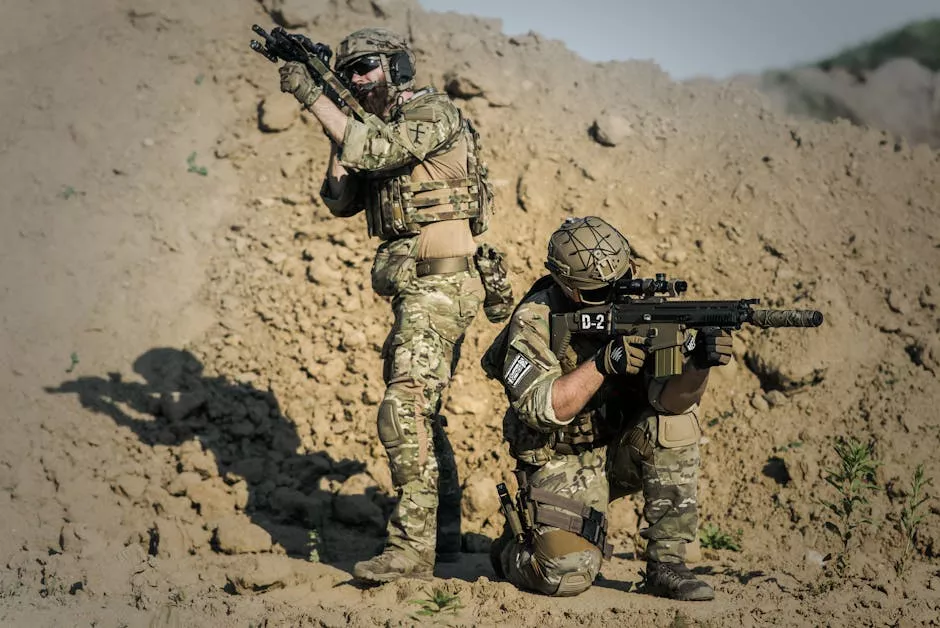
In Odessa, the senators witnessed firsthand the devastation wrought by continuous shelling and attacks. The war's human toll has been immense, with civilian casualties rising and infrastructure severely damaged. Ukrainian officials provided detailed briefings on the military and humanitarian fronts, appealing for more comprehensive support from their Western allies. The senators' presence sent a clear message that the international community remains attentive to Ukraine's plight.
Historical Context of the Conflict
Since the annexation of Crimea in 2014, the Kremlin's aggressive policies have continuously escalated tensions in Eastern Europe. The west has imposed a series of sanctions on Russia, aiming to curb its military advances and destabilizing activities. However, as the senators noted, these measures might need to be intensified to effectively cripple Russia's strategic capabilities.
The effects of these tensions have rippled across the globe, influencing international trade, energy supplies, and diplomatic relations. The U.S. has been at the forefront of rallying global support for Ukraine, providing military aid and pushing for diplomatic solutions.
Geopolitical Implications
The senators' call for action highlights the possible shift in the U.S.' foreign policy approach. With recent developments, the focus is on ensuring a coordinated international response to Russian aggression. Strengthened sanctions could involve targeting key sectors of the Russian economy, potentially influencing energy prices and global market stability.
Moreover, expanding military assistance to Ukraine not only supports the Ukrainian resistance but also signals to other global powers the U.S.'s unwavering stance against territorial aggression.
Regional Perspectives
European allies have expressed varying levels of support, with EU countries assessing their economic ties with Russia. However, the visit by U.S. senators could spearhead a renewed push for cohesive and unified actions across NATO and the EU.
Ukraine's neighbors, particularly those within Eastern Europe, fear the broader implications of unchecked Russian aggression, which could embolden similar actions elsewhere. Thus, a strong U.S. leadership role is seen as a stabilizing force in an increasingly volatile region.
Why It Matters
Why It Matters: The visit by U.S. senators to Ukraine is significant in the evolving geopolitics of Eastern Europe. It symbolizes revitalized U.S. engagement at a time when Ukraine is deeply entrenched in conflict with Russian forces. While existing sanctions have been instrumental in countering Russian influence, the call for harsher penalties reveals a possible pivot towards more aggressive strategies to curb Russian advances. This development is crucial as it affects global geopolitical alignments, energy markets, and international law principles regarding sovereignty and territorial integrity. Moving forward, the global community will closely monitor how these U.S. initiatives might translate into actionable strategies and the subsequent reactions from Russia and its allies.