U.S. Probes Mexican Consulates Amid Political Interference Claims
The U.S. State Department is reviewing Mexican consulates following conservative claims of political interference. This could impact bilateral relations.
Middle East & Diplomacy Specialist
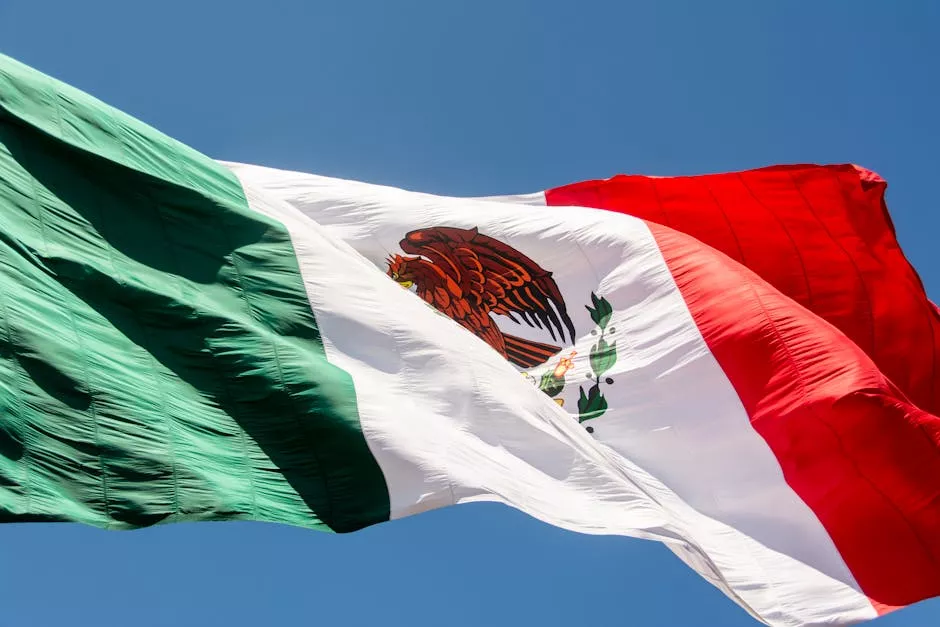
The U.S. State Department has announced a comprehensive review of all Mexican consulates operating within the United States, amid allegations from right-wing media outlets that these consulates are meddling in U.S. political activities. The allegations primarily revolve around claims that Mexican officials may be influencing Latino voters, a demographic that holds significant sway in American electoral processes.
Historical Context
The network of Mexican consulates in the United States serves a crucial role, providing services to Mexican nationals ranging from legal assistance to passport renewals. Historically, these consulates have also acted as cultural liaisons, strengthening ties between Mexico and Mexican-American communities. This system has existed for decades, with both countries relying on it to manage bilateral relations and migration issues.
However, political scrutiny of foreign consulates is not unprecedented in U.S. history. During the Cold War, Eastern European nations' diplomatic outposts were closely monitored for espionage activities. Similarly, today's geopolitical climate, marked by suspicion and international tension, has seen increased vigilance.
Regional Dynamics
The United States and Mexico share a complex, interdependent relationship shaped by geography, economics, and social ties. With an extensive border, any policy shifts can have immediate and profound impacts on security, trade, and migration. Right-wing narratives often emphasize concerns over immigration and national sovereignty, framing Mexican consulates as extensions of foreign influence in politically sensitive border states.
Mexico, through its Secretary of Exterior Relations, has refuted these allegations, asserting that its consular activities abide strictly by diplomatic norms. This review by the U.S. appears to be a cautious response to domestic political pressures rather than evidence-based accusations.
Geopolitical Implications
This investigation could carry broader implications for U.S.-Mexico relations, especially if findings suggest any impropriety. Strained relations might hinder cooperating on trade agreements, border security, and regional stability efforts, particularly in dealing with Central American migration crises. On a wider scale, it may signal to other countries that consular operations in the U.S. may face greater scrutiny, thereby complicating international diplomatic practices.
Furthermore, the review may affect internal U.S. dynamics. Latino communities, significant in size and political influence, might perceive this as a targeted move, potentially swaying political allegiances and voter turnout. Moreover, this scrutiny could be interpreted as retaliation in response to Mexican President Andrés Manuel López Obrador's criticism of U.S. policies, which adds layers of complexity to bilateral diplomacy.
Future Prospects
As political landscapes in both countries continue to evolve, the role of diplomatic missions like consulates will be closely watched. Successful management of this review process can either reaffirm mutual commitments to sovereignty and respect, or exacerbate tensions that have historically ebbed and flowed.
Why It Matters
The review of Mexican consulates in the U.S. highlights the intricate balance of international diplomacy and domestic politics. At its core, this situation underscores the ongoing struggle between national security concerns and the principles of diplomatic immunity and international cooperation. The outcome could realign not only U.S.-Mexico relations but also set precedents affecting how consular activities are perceived and managed globally. Observers should monitor the findings closely, as they will likely influence regional diplomatic strategies and the future of consular norms in the international arena.