US Military Strikes Iran's Strategic Kharg Island Amid Rising Tensions
In a calculated move, the U.S. targets Iranian military on Kharg Island, avoiding economic impact on the vital oil export hub.
Africa & Global Economy Correspondent
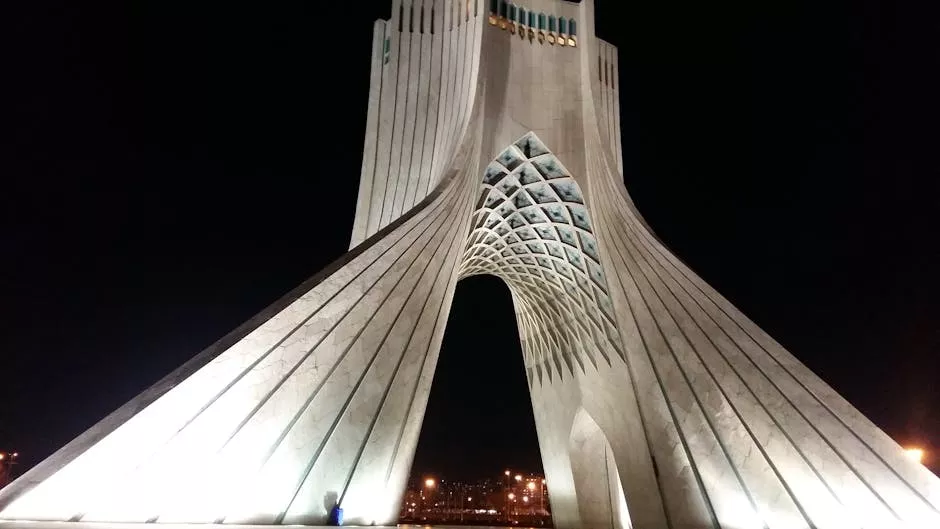
The United States launched targeted military strikes on Kharg Island, an Iranian territory pivotal for oil exports in the Persian Gulf, escalating the longstanding tensions between the two nations. Official reports clarified that the operation was directed explicitly at Iranian military assets, ensuring that the vital economic infrastructure remained intact. This development follows a series of tit-for-tat actions underscoring the fragile state of U.S.-Iranian relations.
Background and Strategic Importance
Kharg Island, situated off the Iranian coast, is a linchpin in Iran's oil export operations, accounting for the vast majority of the nation's crude exports. Historically, the island gained prominence in the 1980s during the Iran-Iraq War, when it became a target for Iraqi forces aiming to cripple Iran's economy. Currently, it serves as a critical artery for Iran’s oil-dependent economy, with its facilities having the capacity to export millions of barrels of oil daily to global markets.
The decision to target this island underscores the United States' strategy to pressure Iran militarily while treading carefully to avoid escalating economic repercussions that could ripple through global oil markets. According to a U.S. military official, the strike aimed to debilitate Iranian military capabilities without inflicting damage on the oil-exporting infrastructure, maintaining a delicate balance between assertive military action and economic pragmatism.
Regional Perspectives
In the Middle East, reactions to the strikes have been mixed. Nations like Saudi Arabia and Israel, adversaries of Iran, could view this as a necessary move to curb Iranian influence in the region. Conversely, allies of Iran, such as Syria and Lebanon, are likely to intensify their support and rhetoric against U.S. interventions, as tensions remain high in an already volatile region.
The Gulf Cooperation Council (GCC), a body of Middle Eastern oil producers, has shown concern over any instability that might impact oil prices. However, the U.S.'s careful avoidance of economic targets may alleviate immediate fears of fluctuations in the oil market, even as the geopolitical stakes are elevated.
Global Implications
Globally, this military maneuver has the potential to strain diplomatic ties and impact international relations. The European Union, amid its diplomatic engagements with Iran regarding nuclear deals, may face a challenging predicament as it balances maintaining dialogue with upholding alliances with Washington. Furthermore, the Russian and Chinese governments, both having strategic partnerships with Iran, could perceive this move as an aggressive stance from the U.S., potentially complicating their geopolitical calculations in the region.
The timing of the U.S. strikes is noteworthy, happening against the backdrop of ongoing negotiations aimed at reviving the Joint Comprehensive Plan of Action (JCPOA), better known as the Iran nuclear deal. The strikes could be interpreted as a demonstration of military strength intended to exert further pressure on Iran during these talks.
Historical Context and Future Prospects
Historically, U.S.-Iran relations have been fraught with conflict and distrust ever since the 1979 Iranian Revolution and the subsequent hostage crisis at the American embassy in Tehran. The nuclear issue has remained a focal point of contention, culminating in agreements such as the JCPOA, from which the U.S. withdrew in 2018 under the Trump administration, reinstating severe sanctions against Iran.
Looking ahead, the international community will be meticulously scrutinizing both nations' next steps. Potential Iranian retaliation could further complicate matters, especially if it targets U.S. assets or allies in the region. Diplomatic channels may experience heightened activity as leaders strive to prevent further escalation. Additionally, any prolonged disruption in Iranian oil exports could reverberate through global markets, adding pressure on energy-dependent economies worldwide.
Why It Matters
Why It Matters: The U.S. strikes on Kharg Island hold substantial implications in the realm of global security and geopolitical dynamics. This military action demonstrates the U.S.'s commitment to countering perceived threats from Iran while walking a fine line to avoid disrupting global oil supplies. As the region already grapples with numerous conflicts, any escalatory response from Iran could destabilize the Middle East further. The event underscores the precarious nature of U.S.-Iran relations and highlights the international community's vested interest in mitigating potential clashes in the Persian Gulf. Analysts and policymakers will need to closely watch for the immediate repercussions, including Iran's diplomatic and military responses, and the impact on oil markets, critical for assessing the broader economic implications.