US-Israel Strikes Precipitate Iran Retaliation and Regional Fallout
US and Israel coordinated strikes on Iran, prompting swift retaliatory attacks across the Middle East, escalating regional tensions.
Defense & Security Editor
Introduction
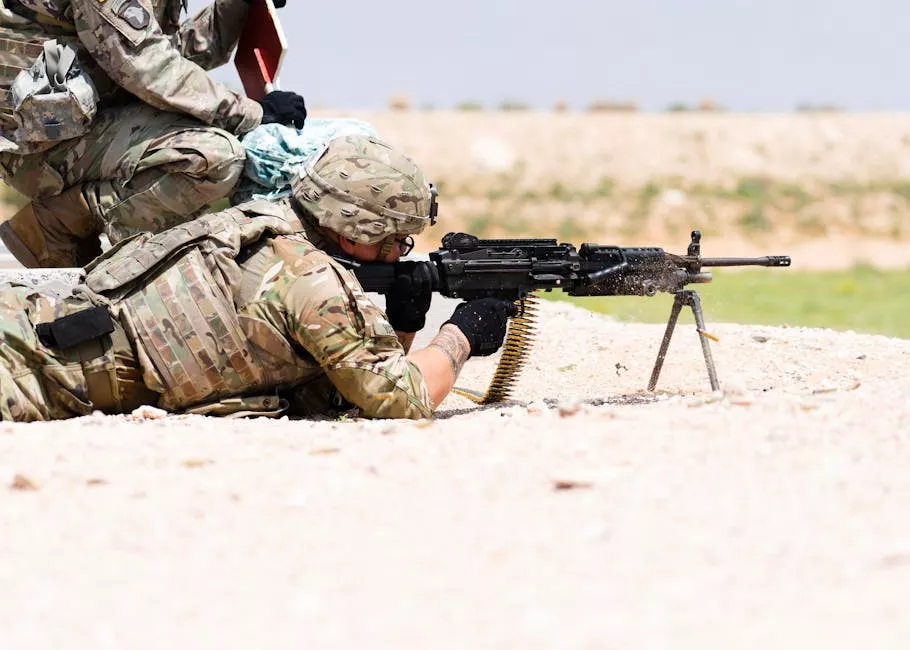
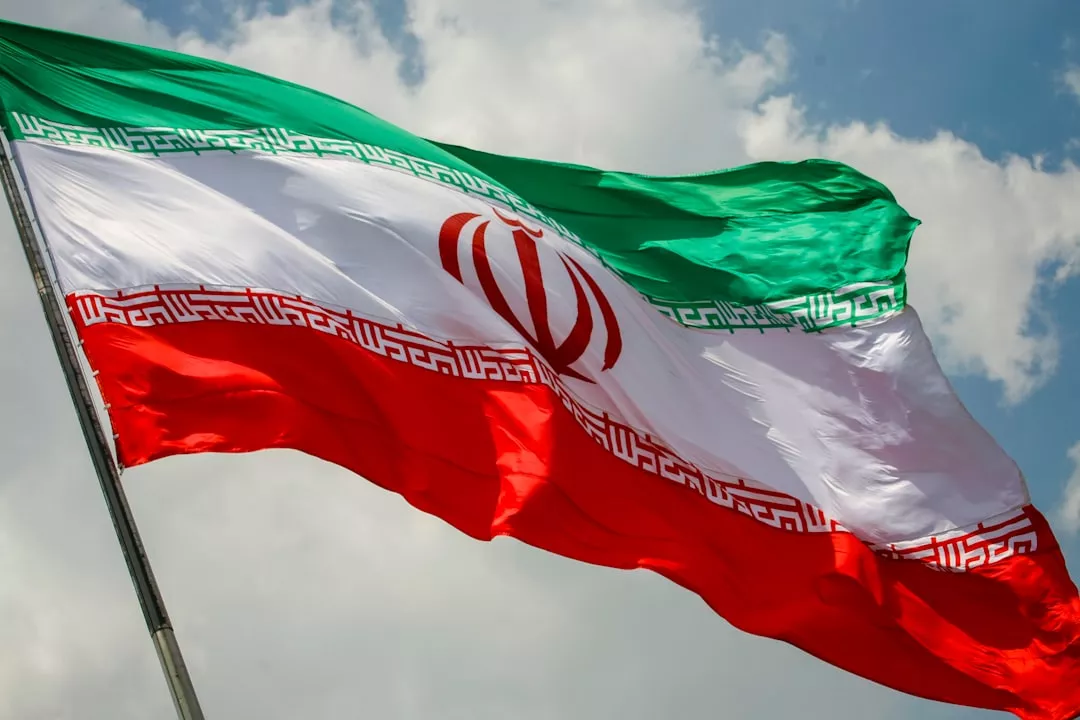
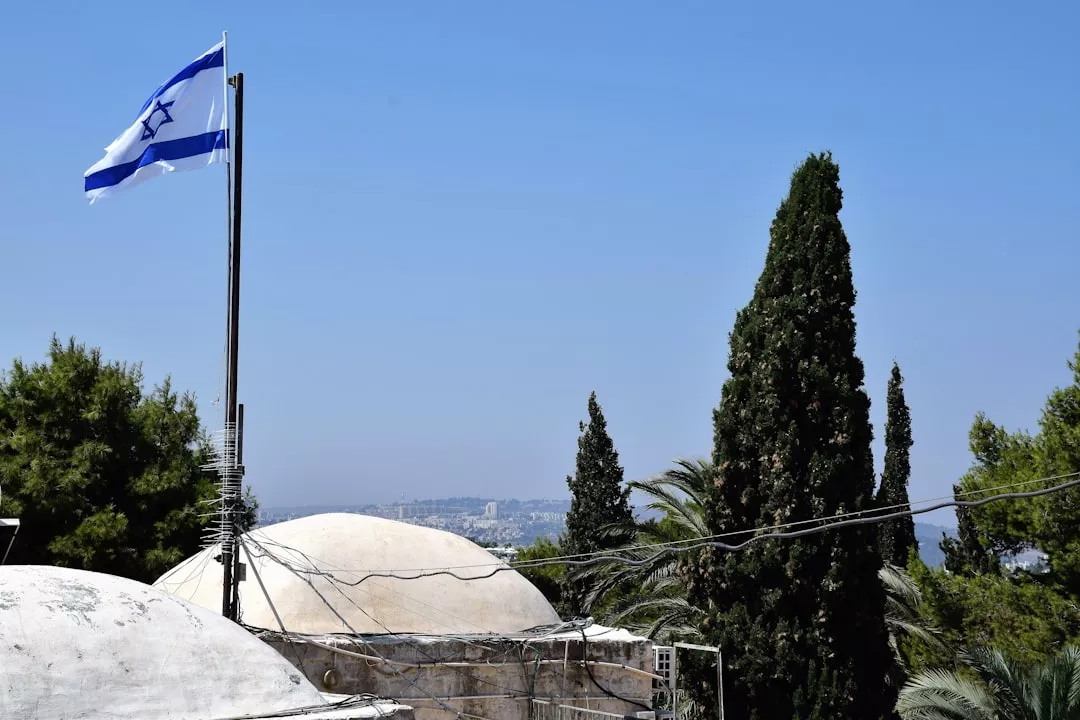
In a dramatic escalation of Middle Eastern tensions, the United States and Israel have launched coordinated military strikes against strategic targets in Iran. The operation, with far-reaching regional consequences, was swiftly followed by retaliatory attacks from Iran, targeting US and allied assets in the Middle East.
According to military sources, the US-Israel strikes focused on Iranian nuclear facilities and missile sites, aiming to curtail Tehran's military capabilities. This move comes amid growing concerns over Iran's nuclear ambitions and its influence in regional conflicts.
Historical Context
Since the 1979 Iranian Revolution, tensions between the United States and Iran have been a persistent feature of Middle Eastern geopolitics. These tensions have exacerbated regional rivalries, particularly with Israel. The Iranian nuclear program, considered a potential existential threat by both Israel and the US, has been a focal point of continuous diplomatic and military posturing.
Key events like the assassination of Iranian General Qasem Soleimani by a US drone strike in 2020, and Iran's subsequent ballistic missile attacks on US bases in Iraq, have significantly influenced the current dynamics. The emboldening of hardline elements in Iran and the recent faltering of nuclear negotiations have further set the stage for this military confrontation.
Regional Perspectives
The repercussions of these strikes resonate beyond Iran. Middle Eastern nations, already embroiled in various degrees of conflict and political instability, now face further escalation risks. Countries such as Iraq, Syria, and Lebanon, where Iranian influences are significant, are particularly vulnerable to spillover effects.
Middle Eastern alliances are complex and often shifting. While traditional US allies like Saudi Arabia and the United Arab Emirates might tacitly approve of reduced Iranian capabilities, public opinions in these countries are divided, often viewing Western military actions with suspicion.
Geopolitical Implications
The US-Israel alliance's overt display of military strategy sends a strong message to Iran and, by extension, to its geopolitical partners, including Russia and China. It presents a stark reminder of the region's precarious balance of power and the potential for large-scale conflicts with international ramifications.
Retaliation from Iran, through its revolutionary guard forces and proxies like Hezbollah, is likely to continue, potentially destabilizing regional security and affecting global oil markets. This escalation could draw further involvement from global powers, either as mediators or as participants in the conflict.
The Role of Diplomatic Efforts
With tensions at a high, diplomatic channels face immense pressure to prevent an all-out war. The United Nations and other international bodies are likely to advocate for restraint, urging all parties to return to diplomatic negotiations to achieve a peaceful resolution.
Despite ongoing tensions, there remains a compelling need for dialogue and de-escalation efforts. Peace initiatives, although challenging, remain a critical pathway to preventing further violence and ensuring regional stability.
Why It Matters
Why It Matters
The recent US-Israel strikes on Iranian targets and Iran's subsequent retaliation have profound implications for both regional and global geopolitics. First, this escalation underscores the fragility of Middle Eastern stability, where proxy conflicts and alliances can trigger broader confrontations. Second, the situation highlights the broader US-Iran-Israel geopolitical triangle, which plays a pivotal role in shaping regional security dynamics.
Consequences could include disrupted global oil supply chains, affecting international markets, and heightened tensions in adjacent global regions. Additionally, the potential for escalating military engagement could involve other global powers, complicating diplomatic efforts. Observers should be alert to shifts in regional alliances, changes in US foreign policy postures, and moves by international organizations seeking to mediate peace.