US-Israel Conflict With Iran: Impact on Global Sports and Beyond
The US-Israel conflict with Iran is shaking the sports world, leading to event cancellations and regional instability with far-reaching effects.
Defense & Security Editor
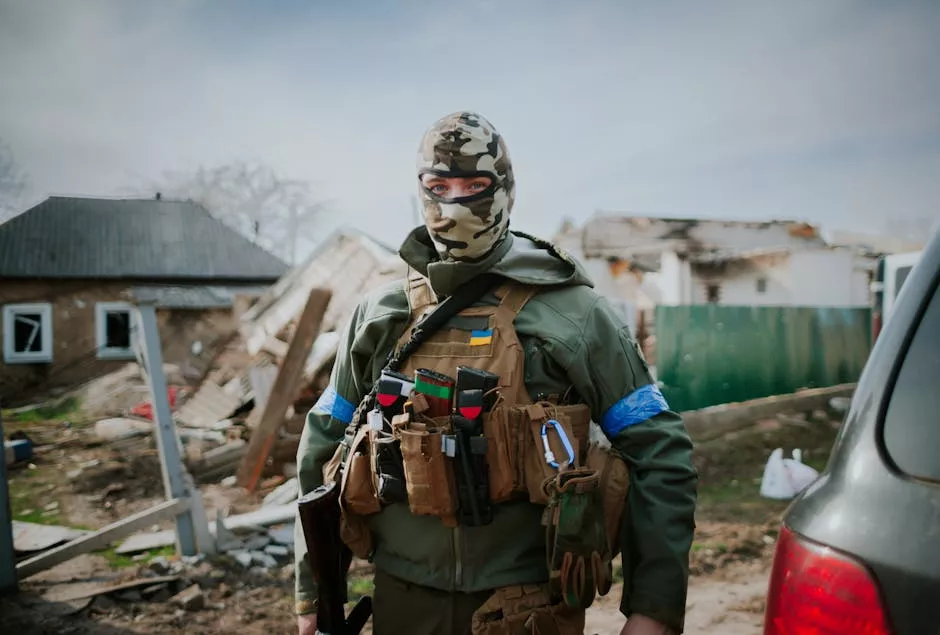
The recent escalation of conflict involving the United States and Israel against Iran has sent reverberations across various global sectors, with sports being a prominent one. This conflict has not only led to heightened tensions in the Middle East but has also disrupted major sporting events, affecting athletes, industries, and fans worldwide.
Historical Context
This conflict traces back to decades of geopolitical friction, rooted in regional power struggles and ideological differences. The United States and Israel have long-standing contentious relations with Iran, stemming from varying interests in the Middle East, nuclear considerations, and geopolitical alliances. The recent military engagements have added fuel to this historical rivalry, with Iran's retaliatory actions contributing further to the instability in the region.
Impact on Sports
The immediate hit was felt in international sports events that were scheduled in or near conflict zones. Tournaments, such as regional football matches and athletic meets, faced postponements or relocations to safer venues. The fear of retaliation or collateral damage has left organizers and athletes in a difficult position, scrambling for solutions that ensure security and the continuation of events.
Athlete Safety and Mobility
Athletes and sports teams from affected regions now confront travel restrictions and security threats. With many nations advising against travel to conflict areas, teams face logistical nightmares. This has affected their training, participation in international competitions, and overall careers. The psychological toll on the athletes, playing under the shadow of conflict, cannot be overstated.
Regional Perspectives
In the Middle East, sports have often been a channel for diplomacy and a showcase of cultural exchange. However, the conflict threatens to undermine these efforts by fomenting a divisive atmosphere. Countries like Qatar and the UAE, traditionally neutral in regional conflicts, find themselves in a tight spot, balancing sports diplomacy with political pressures.
Internationally, sports federations and bodies are considering new venues less susceptible to geopolitical disruptions. Europe and the Americas are being eyed as potential alternatives for hosting displaced events, thereby affecting the local economies unexpectedly benefiting from this shift.
Geopolitical Implications
This scenario exemplifies how sports, often considered apolitical, can become deeply entwined with international politics. The disruption of sports activities highlights the intricacies of global diplomacy, where sanctions, allied relationships, and national pride can change competitive landscapes dramatically.
The long-term implications include strained bilateral relations in sports-related collaborations and partnerships. Broadcasting rights, sponsorships, and endorsements linked with sports events in volatile regions might see a significant decline, impacting the larger sports economy.
Future Considerations
As the conflict evolves, sports organizations will likely pursue policies that prioritize flexibility and security to adapt quickly to geopolitical uncertainties. The increasing prioritization of neutral, stable host locations for international events might become commonplace, potentially reshaping the global sports map.
Why It Matters
Why It Matters
The intersection of global conflict and sports reveals much about the current geopolitical landscape. Sports have the power to transcend political divisions and unite people, but they are not immune from the world’s troubles. The US-Israel conflict with Iran underscores the vulnerability of cultural and sporting legacies to political upheavals. As hostilities continue, the role of sports as a diplomatic tool might be minimized, depriving the international community of a crucial platform for dialogue and cultural exchange. Monitoring how sports organizations adapt to these changes will provide insights into the broader socio-political dynamics at play in conflict-hit regions.