US-Iran Tensions Soar: Missile Capabilities of Iran Challenged
The US claims reduced Iranian missile threats, yet Iran's resilient defense strategies highlight ongoing regional power dynamics.
International Relations Correspondent
U.S. Assertions Amid Rising Tensions
In recent declarations, Washington staunchly affirmed that its strategic maneuvers have significantly diminished Iran's missile capabilities. Yet, in the face of relentless retaliations from Tehran, the narrative of a subdued Iranian military arsenal is being challenged. How did this standoff evolve, and what could its regional implications be?
A Historical Overview of US-Iran Relations
The strained relationship between the US and Iran dates back decades, intensified by historical events such as the 1979 Iranian Revolution and the subsequent hostage crisis. Over time, diplomatic ties have been further frayed by Iran's nuclear aspirations and its involvement in regional conflicts, prompting the US to repeatedly impose sanctions and advocate for military countermeasures.
In recent years, the tension escalated dramatically after the US withdrew from the Joint Comprehensive Plan of Action (JCPOA) in 2018, opting instead for a ‘maximum pressure’ campaign on Iran. This political shift heightened anxieties in the Middle East, particularly regarding Iran's burgeoning missile programs, perceived as a direct threat to US interests and its allies in the region.
Washington's Strategic Claims
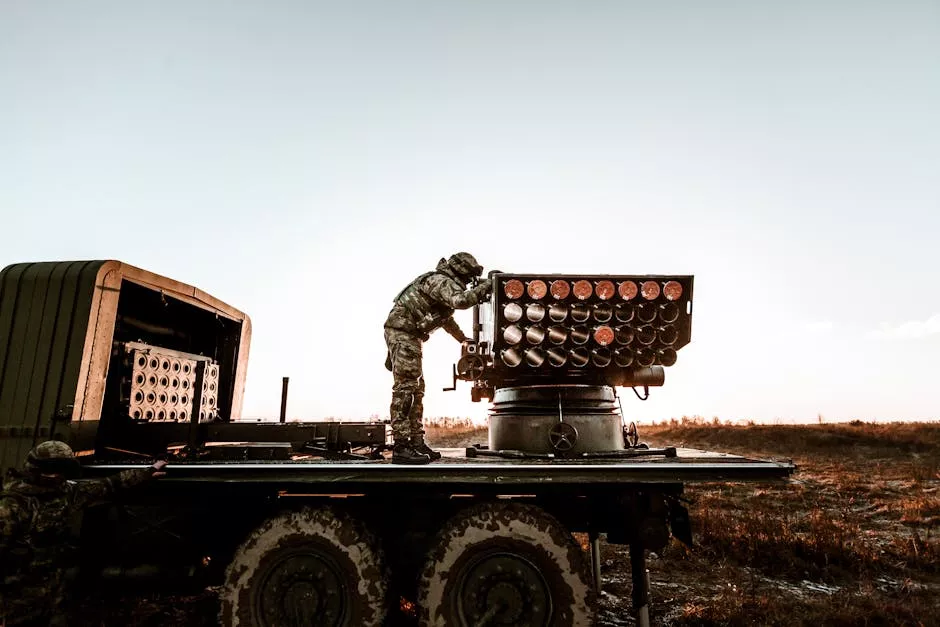
The US has implemented numerous tactical measures aimed at diminishing Iran's military prowess. These efforts included the targeting of critical missile production sites and the mobilization of advanced cyber warfare techniques designed to disrupt Iran's defense infrastructure.
American intelligence reports suggest that these strategies have yielded tangible impacts, purportedly resulting in significant setbacks for Iran's missile development capabilities. Analysts in Washington argue that these efforts might deter Iran's regional gambits and de-escalate potential flashpoints.
Iran's Defiant Stance
Despite these claims, Iran has demonstrated resilience through adaptive strategies that underscore its entrenched military resolve. Recent retaliatory measures orchestrated by Iran have not only tested the assertiveness of US assertions but have also revealed a nuanced military landscape in which Iran continues to exercise considerable agency.
Iran's response strategy involves both conventional military actions and efforts to bolster alliances with regional proxies, thereby reinforcing its strategic depth. This complex tapestry of defiance indicates that Iran is far from yielding to external pressures without significant reciprocation.
Regional and Global Implications
The ongoing US-Iran standoff reverberates throughout the Middle East, with neighboring states observing developments with trepidation. The implications for regional security are profound, as the continued strain may provoke broader geopolitical realignments and invite foreign interventions.
Moreover, the sustained pressure exerted by the US invites questions about the efficacy of its strategic posture, calling for a re-evaluation of diplomatic engagements. The specter of escalating conflicts looms large, with each retaliatory action contributing to a potentially perilous tit-for-tat escalation.
Conclusion
While the US claims to have undermined Iran's missile capabilities, the persistence of Iranian initiatives paints a complex picture of undeterred military vitality. The implications of these developments are far-reaching, impacting regional alliances, global diplomatic stances, and the intricate balance of Middle Eastern power dynamics.
Why It Matters
Why It Matters
The US-Iran conflict exemplifies the intricate dance of power that defines today's multipolar world. As Washington and Tehran continue their strategic tug-of-war, regional stability teeters on a knife's edge. The implications of this standoff could redefine geopolitical alliances, invite further international involvement, and reshape the Middle Eastern security architecture. Observers and policymakers must vigilantly monitor these developments, recognizing that each decision made might ripple far beyond the region, influencing global diplomacy and security protocols. Future negotiations or escalations will likely have profound implications for global oil markets, international security agreements, and the viability of diplomatic resolutions in protracted conflicts.