US-Iran Tensions: Military Moves Lacked Clear Political Strategy
Recent US military actions against Iran highlight the discrepancy between tactical operations and undefined political goals.
International Relations Correspondent

Historical Context and Current Tensions
The longstanding tension between the United States and Iran has once again resurfaced to the forefront of international affairs, marked by recent US military operations aimed at weakening Iran's military capabilities. Historically, US-Iranian relations have been fraught with complexities stemming from events such as the Iranian Revolution of 1979, the subsequent US embassy hostage crisis, and ongoing concerns over Iran's nuclear ambitions.
More recently, the assassination of Iranian General Qasem Soleimani in early 2020 by a US drone strike and Iran's consequent retaliatory actions have positioned the two nations at a precarious point of conflict. These events underscore a recurring theme: the use of military force by the US as a means to exert pressure on Iran, often in the absence of a clearly articulated political objective.
Current US Military Strategy
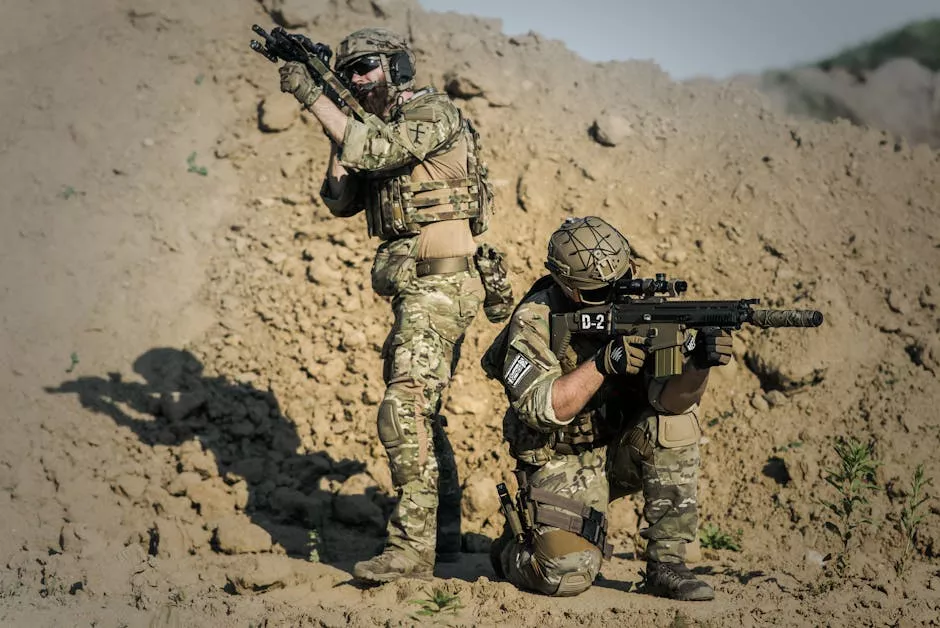
Under the current administration, the Pentagon has delineated concrete military aims, such as disabling Iran's military strength to curtail its regional influence. However, what conspicuously lacks is a transparent political strategy that aligns with these military efforts—an observation keenly highlighted by Dafydd Townley, a Teaching Fellow in US politics and International Security. This disparity raises questions on whether the operations have a long-term vision or simply serve as reactionary measures to immediate threats.
Implications and Regional Impacts
The ongoing military measures against Iran could potentially destabilize an already volatile Middle East region. Iran's position as a significant actor in regional politics, with alliances in countries like Syria, Lebanon, and Iraq, means that any conflict involving Iran is likely to have repercussions beyond its borders. These include impacts on global oil markets, given Iran’s strategic control of the Strait of Hormuz, a pivotal channel for the world's oil supply.
Moreover, these actions could lead to enhanced tensions between the US and other global powers who have interests in Iran, such as Russia and China, potentially pulling them into a larger confrontation that extends beyond regional geopolitics.
Geopolitical Perspectives
The ambiguity surrounding the US's political strategy in Iran raises concerns among international allies and ensures debate within global diplomatic circles. The lack of an overt strategy might erode US credibility with allies who seek coherent and consistent policies in addressing Middle Eastern conflicts. It also engenders skepticism about the actions' legality under international law, particularly in the context of state sovereignty and the use of force.
Additionally, in the domestic political landscape, such operations could face scrutiny over their cost and potential to embroil the US in another prolonged military engagement without clear benefits.
Why It Matters
Why It Matters: Broader Geopolitical Significance
The current US operations against Iran serve as a critical point of observation for understanding ongoing global power dynamics. The military actions underscore the perennial challenge for global powers in balancing military engagement with effective political strategy. This scenario is emblematic of the broader difficulties in addressing non-traditional threats through traditional military means. Going forward, observers should watch for shifts in international alliances, potential retaliations from Iran, and changes in US domestic policy debates concerning military interventions.