US-Iran Conflict Clouds 2026 World Cup Amid Ethical Debates
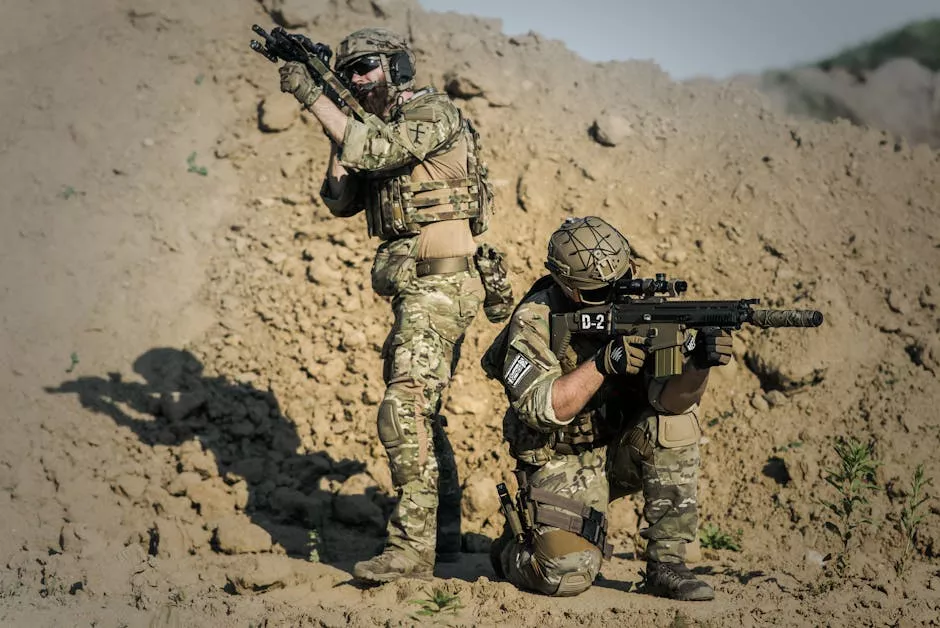
The US-Iran war raises ethical concerns for the 2026 World Cup, challenging the tournament's global unity ethos.
Africa & Global Economy Correspondent
The upcoming 2026 World Cup, primarily hosted by the United States, is increasingly becoming a focal point of ethical and geopolitical debate due to the current military conflict between the US and Iran. As global tensions rise, the intersection of sports and politics once again comes under scrutiny. Iran, which has qualified for the tournament, finds itself in a complex situation as its players and fans face uncertainty over their participation.
Historical tensions and current conflicts
The US-Iran relationship has been fraught with tension for decades, marked by political upheavals and military confrontations. The Iranian Revolution of 1979, which saw the fall of the pro-American Shah and the rise of the Islamic Republic, set the stage for a long era of hostility between the two nations. The US has maintained a series of economic sanctions and diplomatic pressures on Iran, particularly focusing on its nuclear program.
In recent years, the conflict has escalated with military confrontations and proxy battles through various allies in the Middle East. The US-Iran confrontation has not only affected bilateral relations but has also involved regional players, leading to intricate geopolitical dynamics.
The World Cup's complicated role
The World Cup, a symbol of global unity and sportsmanship, faces ethical questions when a host nation is involved in active warfare. The inclusion of Iran in the tournament, amid this war, adds layers of complexity to the event. While FIFA traditionally maintains a stance of political neutrality, the implications of having nations at war competing in a global event are significant.
For athletes, the World Cup represents the pinnacle of their careers. Iranian players now must navigate the challenges of representing their country under the shadow of international conflict. The broader question remains whether sports can truly remain apolitical or if they inherently become part of broader geopolitical narratives.
Evolving ethical frameworks
Beyond the immediate geopolitics, the event raises larger ethical concerns about participation and fairness. Critics argue that a nation engaged in military aggression contradicts the spirit of the World Cup, which seeks to promote harmony and peace through sport. Others, however, view the competition as an opportunity to bridge divides and foster dialogue.
The evolving situation also puts pressure on FIFA to address its role in facilitating such events. The organization, already under scrutiny for various controversies, must weigh its policies on participation, ethics, and the neutral role it claims to uphold. Future decisions by FIFA may set precedents for how international sports events interact with global conflicts.
Geopolitical implications
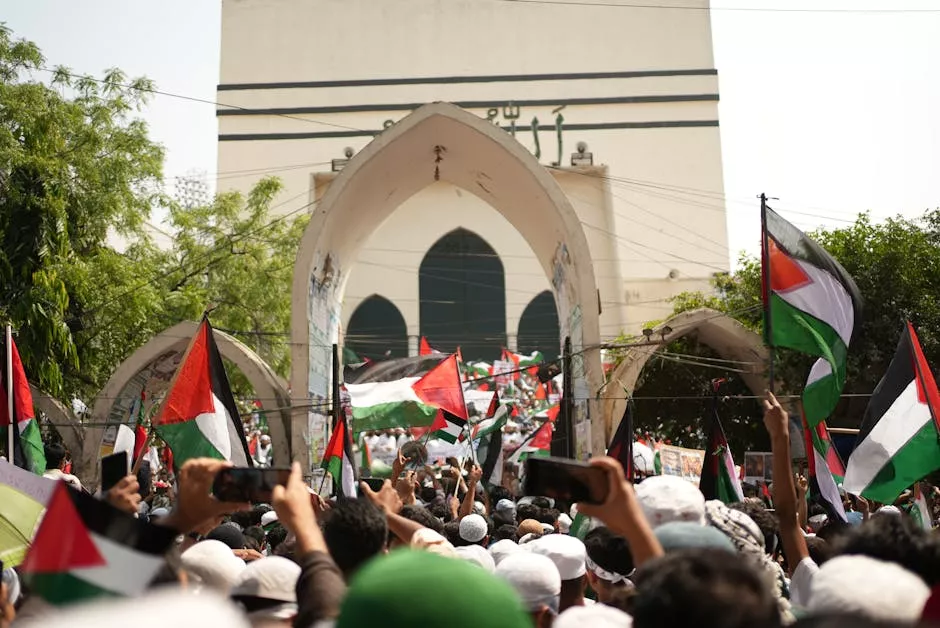
The implications of the US-Iran conflict extend beyond the stadiums. The 2026 World Cup could become a stage for diplomatic gestures or protests, with potential impacts on international relations. Host cities across the US must prepare for possible demonstrations, emphasizing security and diplomatic coordination to manage potential crises.
Moreover, the tournament comes at a time when the global order is increasingly multipolar, and alliances are continually redefined. The World Cup offers a unique platform for nations to showcase not only their football prowess but also their political narratives, potentially influencing international perceptions and alignments.
Why It Matters
Why It Matters
The intersection of the US-Iran conflict and the World Cup highlights the broader implications of intertwining politics and sports. This situation challenges international sports organizations like FIFA to navigate ethical dilemmas and political neutrality. As tensions escalate, the tournament could influence diplomatic efforts, spark protests, or serve as a platform for geopolitical discourse. Observers should watch for FIFA's decisions regarding participation rules and watch how nations leverage the event to advance their narratives. The outcome could set significant precedents for how future global events are conducted in politically charged environments.