US and Ecuador Unite in Bold Drug Trafficking Crackdown
US and Ecuador launch joint operation targeting narco-terrorists to combat drug trafficking in decisive Southern Command mission.
Senior Geopolitical Analyst
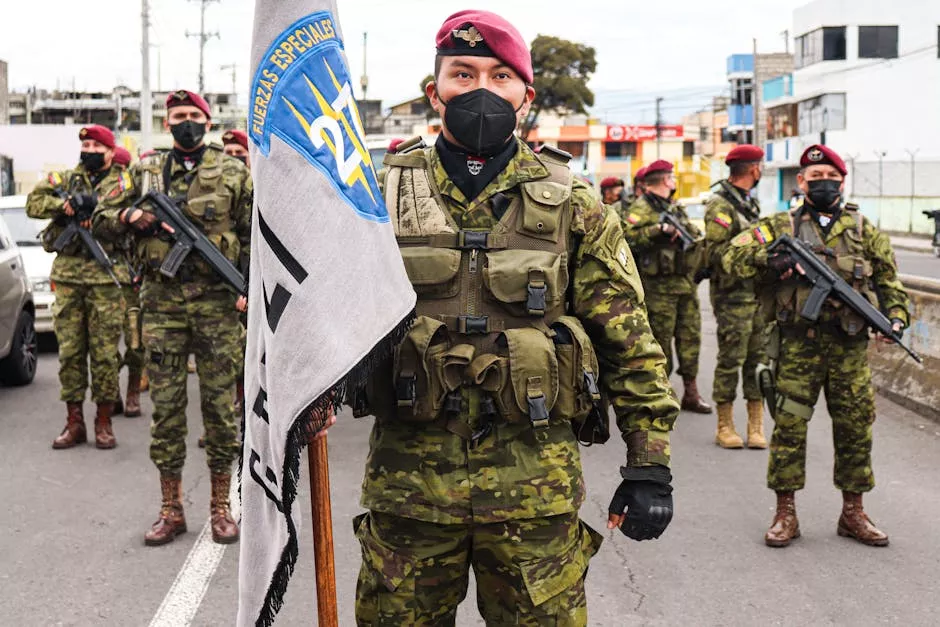
In a significant geopolitical development, the United States and Ecuador have joined forces in a daring operation to tackle the pervasive issue of drug trafficking. The announcement, made by the US Southern Command, highlights the gravity and urgency of addressing narco-terrorism in the region. While specifics of the operation remain undisclosed, the strategic collaboration marks a pivotal moment in US-Ecuadorian relations.
Historical Context of US-Ecuador Relations
Historically, Ecuador's geographic position in the Andean region has made it a critical pathway for drug trafficking networks. Past collaborations between the US and Ecuador have centered on intelligence sharing and training programs. However, this latest operation signifies a shift towards more direct action.
The Role of the US Southern Command
The US Southern Command, responsible for overseeing American military operations across Latin America, plays a crucial role in this initiative. With a history of supporting partner nations in counter-narcotics efforts, its involvement underscores the operation's strategic importance. By combining efforts with Ecuadorian forces, the command aims to dismantle drug trafficking networks that extend beyond national borders.
This operation may involve advanced surveillance technology, enhanced training for local forces, and possibly increased naval and aerial patrols. The focus will be on disrupting not just the illegal flow of narcotics but also the financial structures supporting these operations.
Regional Implications
Ecuador's participation in this joint mission reflects a growing commitment among South American countries to address drug-related violence and corruption. The operation could prompt neighboring countries to seek similar cooperation with the US, bolstering regional security and stability. Additionally, it aligns with the broader US strategy to fortify relations in Latin America amid rising global competition from other powers, notably China.
Challenges and Potential Risks
Despite its promise, the operation faces significant challenges. The well-entrenched networks of drug cartels have historically demonstrated resilience against external efforts. Moreover, any aggressive military action risks collateral damage and potential backlash from local communities who may feel marginalized or impacted by the operations.
Furthermore, the political landscape in Ecuador and the broader region could influence the operation's success. Changes in government priorities, public opinion, and potential accusations of overreach by the US could complicate matters. Ensuring that the mission aligns with local interests and maintains transparency will be critical.
Geopolitical Implications
The operation not only aims to curb drug trafficking but also serves as a reminder of the US's strategic interests in Latin America. As China expands its economic footprint in the region, through initiatives like the Belt and Road, the US looks to reaffirm its influence. Successful delivery of security assistance could enhance US credibility and foster deeper bilateral ties with Ecuador and other allies.
Why It Matters
The joint US-Ecuador operation against drug trafficking highlights the complex interplay of security, diplomacy, and regional influence. As drug trafficking fuels corruption and violence, destabilizing countries, this operation seeks to create a safer environment conducive to economic and social development. Globally, it signifies a resolute US stance on maintaining hemispheric dominance amid external pressures. Observers should monitor the operation's outcomes, local reactions, and any shifts in regional alliances or US foreign policy strategies that may emerge.