UNSC Criticizes Israel Over Ceasefire Breaches and West Bank Actions
The UN Security Council condemns Israel's actions in Gaza and West Bank, urging peace.
Middle East & Diplomacy Specialist

Introduction
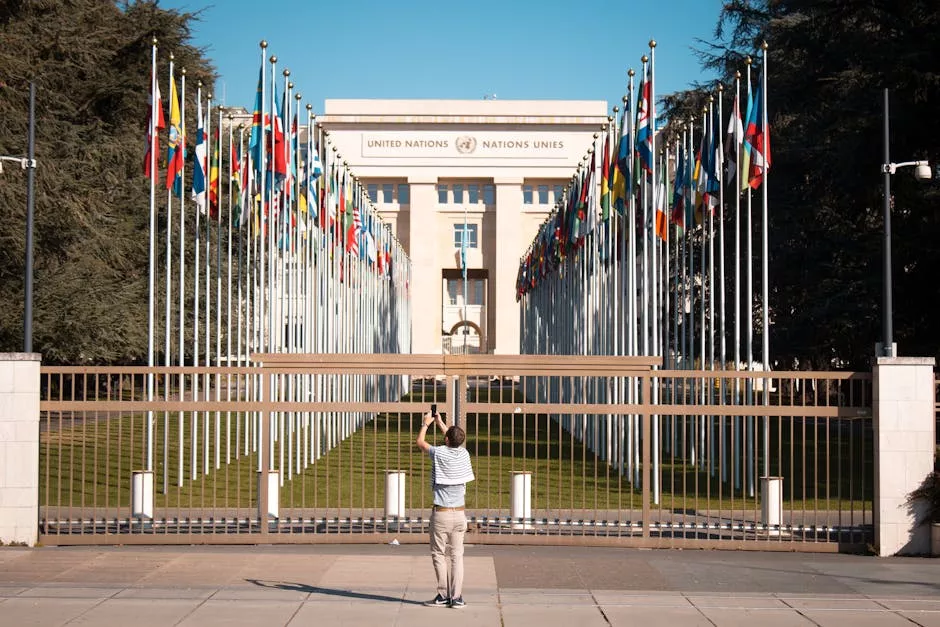
The United Nations Security Council (UNSC) witnessed a fervent session as diplomats expressed concern over Israel's recent actions in both Gaza and the West Bank. Following accusations of ceasefire violations in Gaza and a contentious move to consolidate control over the West Bank, international figures have raised alarms about the broader implications for peace in the region.
Pakistan’s Staunch Position
Leading the debate, Pakistan's Deputy Prime Minister took the podium at the UNSC to voice a stringent rebuke of Israel's policies. He labeled Israel’s recent maneuvers as 'gravely disturbing,' particularly emphasizing their encroachments in the West Bank, which he argued pose significant hurdles to peace in the Middle East. This sentiment echoed in other nations’ speeches, signaling a unified call for immediate action and highlighting the vulnerability of the already fragile region.
Historical Context
Israel's political strategies in Palestinian territories have been a persistent point of contention since its establishment in 1948. Over decades, attempts at peace have stumbled over issues such as settlements, the status of Jerusalem, and mutual recognition. Despite numerous peace accords, including the Oslo Accords of the 1990s, sustained peace remains elusive, with cycles of violence undermining diplomatic progress.
International Reactions
Alongside Pakistan, several other nations, particularly from the Middle East and Europe, delivered speeches at the UNSC session criticizing Israel. They underscored how Israel's policies jeopardize not only the human rights of Palestinians but also regional stability. European countries encouraged resuming negotiations, positing that a two-state solution remains the most viable path to lasting peace.
Israel's Stance
In response to the allegations, Israeli representatives at the UN firmly defended their actions, citing national security necessities. They pointed to ongoing threats from militant groups in Gaza as justification for their military operations, insisting these measures are defensive rather than aggressive.
The Broader Middle Eastern Context
Tensions in the West Bank and Gaza are but a microcosm of more extensive geopolitical dynamics across the Middle East. The region has seen varying degrees of conflict, diplomacy, and shifting alliances, with external powers frequently playing influential roles. Recent détente moves, like those witnessed in the Abraham Accords, demonstrate shifts towards normalized relations with historical adversaries; however, the core Palestinian issue remains unresolved, hinting at complex future negotiations.
Geopolitical Implications
This session at the UNSC is symptomatic of the broader geopolitical chessboard. The continuation of uncompromising policies by Israel risks isolating it diplomatically, while emboldening adversarial narratives across the region. Western and Arab states find themselves at a crossroads, balancing traditional alliances with human rights advocacy and regional stability efforts.
Conclusion
The UNSC’s deliberations shed light on the intricate tapestry of Middle Eastern geopolitics. As diplomats clamor for peace, it is crucial to strike a balance between security concerns and humanitarian imperatives. Moving forward, observers worldwide will watch closely for any change in diplomatic engagements and the potential for renewed peace talks.
Why It Matters
Why It Matters
The UNSC’s focus on Israel’s actions in Gaza and the West Bank comes at a critical juncture in Middle Eastern geopolitics. This discussion reflects not only immediate concerns over regional stability but also long-term implications for international diplomatic efforts. Violations of ceasefire agreements and expansionist policies may destabilize delicate peace mechanisms, making future negotiations even more challenging. For the international community, maintaining pressure for a diplomatic resolution is vital to prevent further escalation. Observers should monitor any shifts in policy from key global players and regional powers, as these could lead to substantial geopolitical shifts.