UN Condemns Russia's Deportation of Ukrainian Children
The UN labels Russia's deportation of Ukrainian children as a crime against humanity, highlighting Putin's involvement.
International Relations Correspondent
Background of the Allegations Against Russia
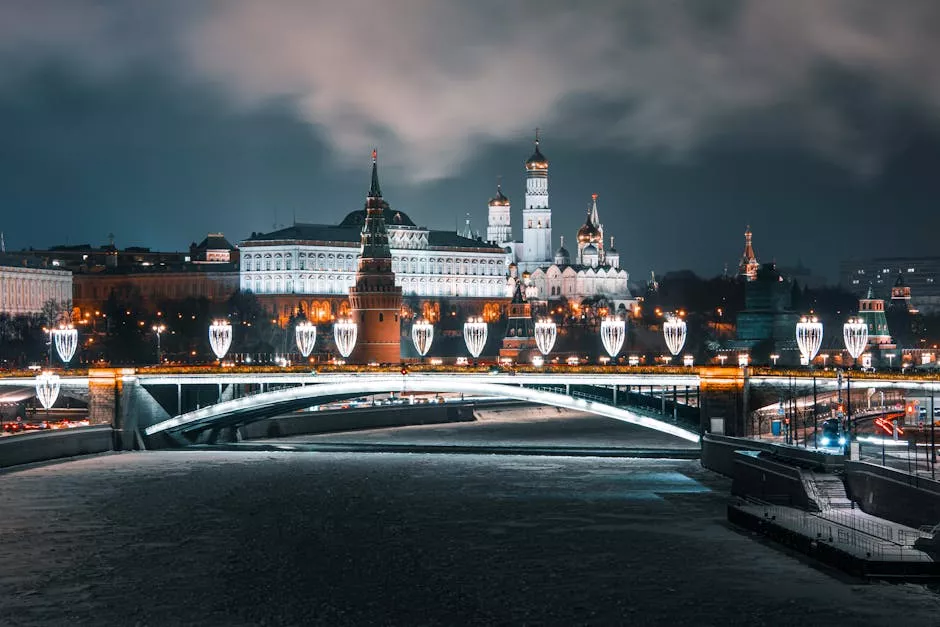
The United Nations has taken a firm stance in the growing international outcry against Russia's reported forcible deportation of Ukrainian children, declaring these acts as tantamount to crimes against humanity. This stance underscores a severe accusation against the Russian government, pointing to President Vladimir Putin's alleged direct involvement from the beginning of these operations.
Chronology and Scope of the Deportations
Since the initiation of hostilities between Russia and Ukraine in 2022, numerous reports have emerged of children being forcibly removed from their homes in occupied Ukrainian territories. Allegedly orchestrated under the guise of evacuation or humanitarian aid, these actions have affected thousands of minors, sparking global condemnation.
Historical context plays a crucial role in understanding these events. Forced deportations as a tactic have been utilized by dominant powers throughout history as a means of assimilation or as an attempt to erase cultural identity. This parallels historical events such as the deportations during World War II, where civilian populations were systematically displaced for strategic and ideological purposes.
The Role of Vladimir Putin
The UN's allegations point directly to Vladimir Putin, whom they claim has played an integral role since the outset. Putin's administration has, as per UN reports, systematically facilitated and overseen the process. This places the Russian leadership under international scrutiny, with calls from various human rights organizations for accountability and justice.
Geopolitical Implications and International Reaction
The ramifications of these actions extend beyond the immediate humanitarian crisis. Geopolitically, the allegations contribute to the deteriorating relations between Russia and Western nations. Sanctions and diplomatic isolates have intensified as governments rally to pressure the Kremlin into ceasing such actions and cooperating with international investigations.
The EU and NATO have been vocal in their demands for accountability, labeling the deportations as a critical breach of international law. Such moves indicate a potential watershed moment in international relations, with human rights increasingly factoring into diplomatic engagements with Russia.
Regional Perspectives and Broader Context
Ukraine, for its part, has been relentless in drawing international attention to these deportations. Kiev has leveraged platforms such as the UN and the International Criminal Court to spotlight abuses and garner support from the global community. This strategy aims not only to secure the return of displaced children but also to fortify Ukraine's sovereignty in the face of aggressive Russian maneuvers.
From a broader perspective, this issue highlights the persistent human rights challenges amidst conflicts. The global community faces a dilemma: how to address such humanitarian crises effectively while negotiating with a formidable nuclear power like Russia.
Looking Ahead
As pressure mounts on Russia, the world's attention remains fixed on the Kremlin's next steps and the international community's ability to respond. Diplomatic and economic measures continue to be debated as potential strategies to engender compliance with international norms.
Why It Matters
Why It Matters
The UN's declaration against Russia's alleged actions holds profound geopolitical significance, signaling the international community's intolerance for human rights violations. This development not only puts Russia under a global microscope but also tests the efficacy of international institutions in enforcing accountability. Consequently, global observers should watch for escalating diplomatic tensions, the potential for new sanctions, and Russia’s response to growing international pressure. These factors could influence global diplomatic and security landscapes, shaping future interactions with not just Russia, but other states with similar authoritarian trajectories.