Ukrainian Soldiers' Transformation: Life Amidst Conflict
Explore how the 2022 invasion transformed Ukrainian civilians into soldiers, shaping their lives and the nation.
Senior Geopolitical Analyst
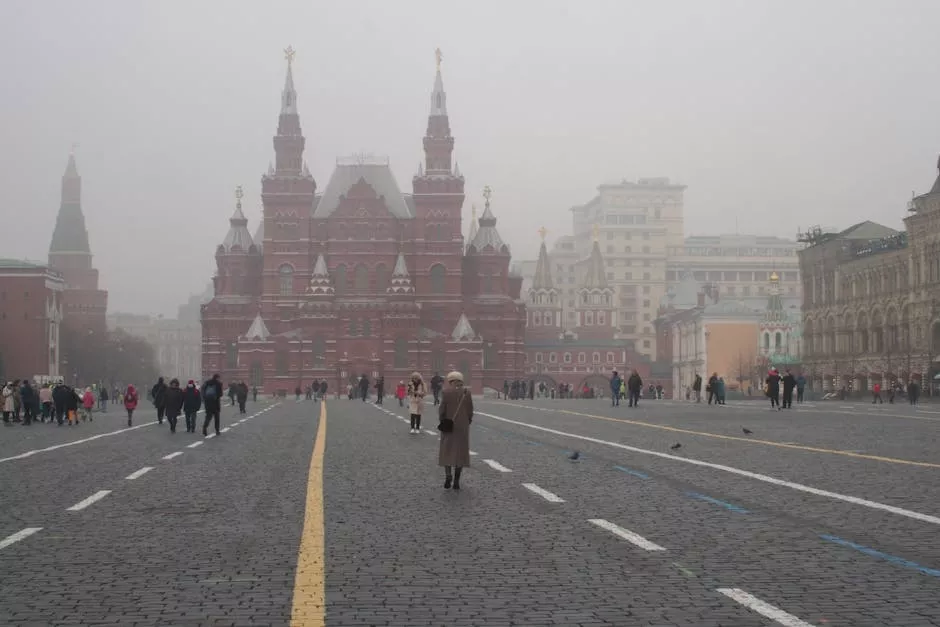
The ongoing conflict in Ukraine, sparked by Russia's invasion in February 2022, has drastically altered the lives of ordinary citizens, many of whom have taken up arms to defend their homeland. This article delves into the personal stories of six Ukrainians who have donned military uniforms, offering insights into how the war has transformed their identities and perspectives.
The Call to Arms
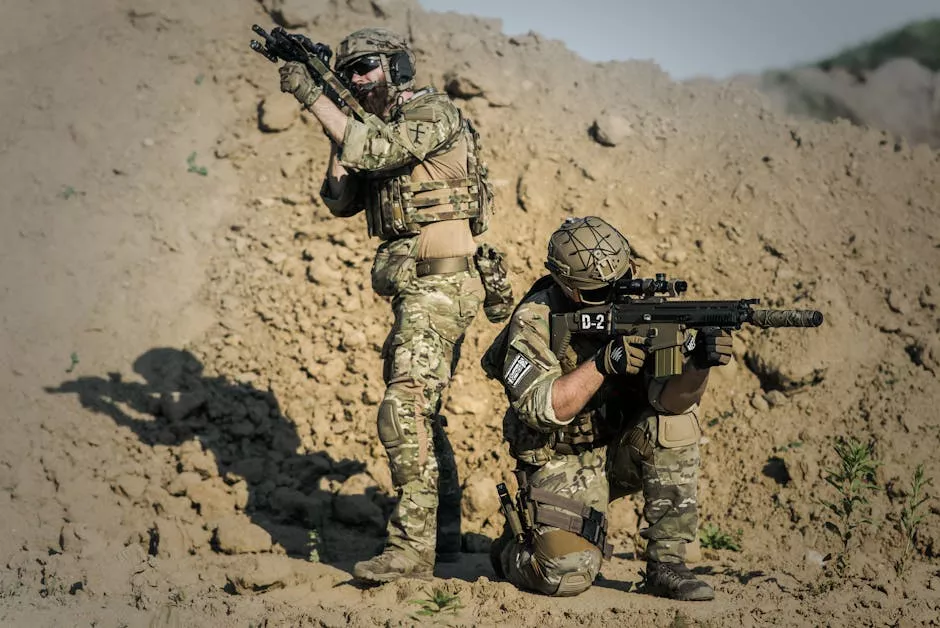
Before the invasion, life in Ukraine carried on with normalcy, as people pursued careers, dreams, and daily routines. The outbreak of war, however, brought a swift and dramatic change. With cities under threat and national sovereignty at stake, many civilians quickly volunteered to join the military forces. Individuals from various walks of life—teachers, engineers, artists, and students—found themselves united under a common cause.
Among them is Oleksandr, a former teacher, who now serves on the front lines. For him, the shift from classroom to battlefield was not just a career change but a transformation of life purpose. 'I teach a different lesson now,' Oleksandr shares, 'one of resilience and courage.'
Resilience in Adversity
The psychological and emotional journey of these citizens-turned-soldiers is as compelling as it is challenging. Natalia, once an artist, has taken up logistics to support military operations. She reflects on how the war has impacted her creative expression. 'Art will always find a way to express the soul,' Natalia says, noting that her wartime experiences have imbued her work with a new depth and urgency.
Military training has fostered a new sense of camaraderie among these soldiers. Vitalii, a software engineer, describes the profound bonds formed under fire. 'We are more than colleagues; we are brothers and sisters in arms,' he explains, emphasizing how these relationships help sustain morale amid the horrors of war.
Broader Geopolitical Implications
Ukraine’s response to the invasion has had far-reaching geopolitical consequences, reshaping regional dynamics and international alliances. The influx of foreign aid and military support illustrates a global stance against aggression. Russia’s actions have faced widespread condemnation, further isolating Moscow on the world stage.
NATO’s response, including increased troop presence in Eastern Europe and support for Ukraine, reflects the strategic shift necessitated by the conflict. This development underscores the fragile security architecture in Europe and highlights the critical need for robust alliances in maintaining regional stability.
The Human Cost of War
The human toll of the conflict is immense, transcending borders and affecting households worldwide. Families are fragmented, with many facing uncertainty about their loved ones' safety. The stories of these soldiers mirror the broader national narrative of resilience, sacrifice, and hope for peace. While the immediate future remains uncertain, these personal accounts serve as a testament to the enduring spirit of those caught in the turmoil.
As these Ukrainians adjust to their new realities, the possibility of returning to civilian life seems distant but remains a cherished hope. 'We fight for peace; we long for it more than anything,' says Inna, a paramedic whose skills have become indispensable on the front lines.
Why It Matters
The transformation of ordinary Ukrainians into military personnel amidst Russia's invasion highlights the powerful intersection of national identity and geopolitical strategy. This conflict has not only reshaped Ukraine's demographic but has also reinforced its resolve to align more closely with Western democracies. The continued resilience of Ukrainian forces and civilians is pivotal in staving off Russian aggression, serving as a stark reminder of the broader implications for European security and the international balance of power. As the conflict persists, observers should watch how regional alliances evolve and the potential long-term impact on global geopolitical structures.