Ukrainian Drone Strike in Moscow Stirs Tensions Before Victory Day
A Ukrainian drone attack on Moscow preempts Russia's Victory Day, risking a broader conflict as security tensions rise.
Senior Geopolitical Analyst
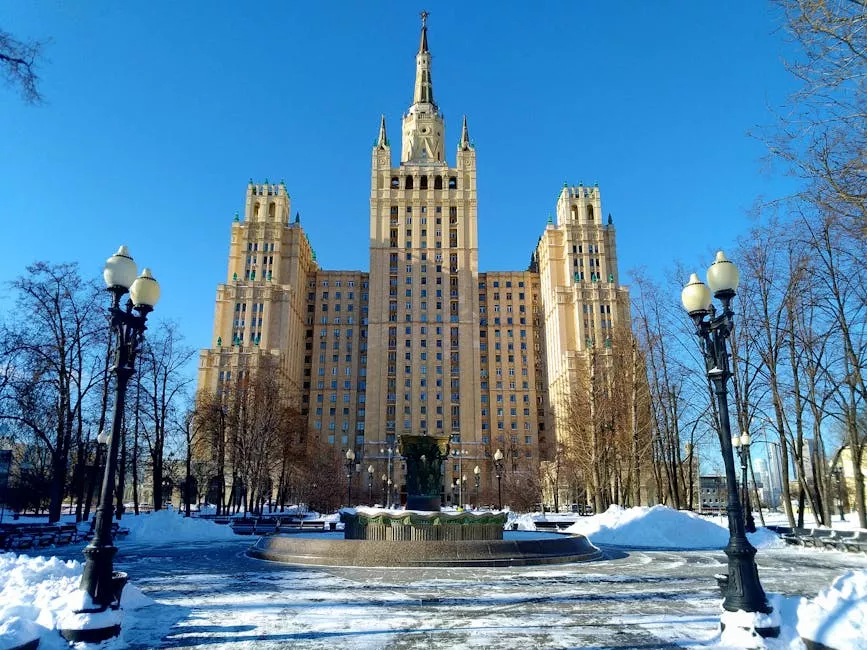
The escalation of tensions between Ukraine and Russia took a dramatic turn as a Ukrainian drone struck an upscale high-rise in Moscow just days before Russia's highly significant Victory Day celebrations. The incident marks a rising tide of hostilities and sends shockwaves through the corridors of power in Moscow.
Background of the Conflict
The Ukrainian conflict has its roots deeply entrenched in historical territorial disputes, political alignments, and military engagements. Since the annexation of Crimea in 2014, Ukraine and Russia have been locked in a bitter dispute, with international players taking sides in a fraught geopolitical landscape. Over the years, the conflict has seen varying degrees of intensity, with both sides engaging in military skirmishes and aggressive diplomatic stands.
The Drone Incident
On the eve of the commemoration of Russia's victory over Nazi Germany, a moment marked by nationalistic pride and military might, the high-profile drone attack on a Moscow luxury residential building has heightened tensions. This upmarket high-rise represents not just a physical target but a symbolic one, choosing to strike close to the heart of Russia’s metropolitan affluence and central authority.
Russia, in a proactive move, had declared a unilateral ceasefire surrounding the Victory Day events, likely in an attempt to maintain internal peace and international image during a period of nationalistic fervor. This attack, however, threatens to undercut those efforts by injecting fresh urgency into the long-standing conflict.
Russia's Response
The Russian government has quickly responded to the incident with threats of retaliatory action—a massive strike on Ukraine’s capital, Kyiv—if interruptions to the celebrations unfold. The rhetoric underscores the fragile ceasefire’s vulnerability and mirrors past dialogues emphasizing strength and reprisal.
The potential attack on Kyiv would not only escalate military conflicts but could pull additional international actors back into a sphere of direct intervention, complicating diplomatic peace talks and destabilizing an already precarious region.
Implications for Eastern Europe
This escalation poses significant questions about the future of Eastern European security and stability. For Ukraine, increased aerial strikes near the heart of Russian power signal a change in tactics designed to unsettle Russian strategic depth and demonstrate the reach of Ukrainian capabilities. For Russia, the attack comes as a sharp reminder of vulnerabilities despite assertive rhetoric and militaristic posturing.
Moreover, this incident adds complexity to the broader geopolitical gameboard, where alliances in the European Union and NATO might face renewed strain balancing between aggressive containment and diplomatic engagement.
The international community, particularly key NATO allies and the EU, must now evaluate their diplomatic stance and military readiness. With Victory Day turning from a showcase of power into a potential flashpoint of conflict, calls for de-escalation and conflict resolution might find a new urgency.
Historical Context
Victory Day holds vital historical importance in Russia, commemorating the Soviet Union's triumph in World War II—a narrative central to Russian identity and its rationale for contemporary foreign policies. Its linkage to patriotic sentiment cannot be overstated, which means any disruptions could carry internal political repercussions for the Russian administration.
Furthermore, its standing as a national holiday tied intimately to military parade displays means any challenge could be both a national embarrassment and an international provocation. This directly tests the Russian military's capacity to secure significant events within its heartland.
Why It Matters
Why It Matters:
The recent Ukrainian drone strike on Moscow portends a significant shift in tactics in the ongoing Russo-Ukrainian conflict. By targeting the symbolic heart of Moscow, Ukraine challenges Russia's domestic security narrative and emboldens its strategic deterrence. This incident foreshadows increased hostilities, which may not remain contained between the two nations. Internationally, escalating tensions risk conflict spillover, influencing global diplomatic and military alignments. Observers should closely monitor developments around Russian retaliatory measures and international diplomatic dialogues which may signal broader shifts in global conflict management and peace negotiations.