Ukraine Boycotts Paralympics Opening Over Russian Flags Decision
Ukraine to boycott the Paralympics opening due to Russian, Belarusian flag decision, raising geopolitical tensions.
Senior Geopolitical Analyst

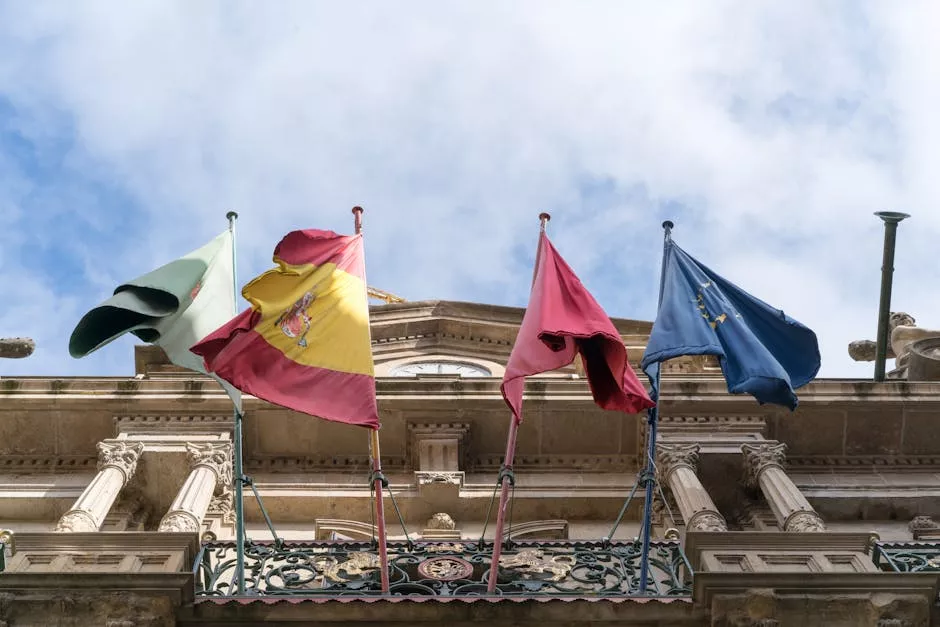
The Ukrainian delegation has announced its decision to boycott the opening ceremony of the Paralympics scheduled for March 6 in Verona. This move comes as a protest against the Paralympic committee's decision to allow Russian and Belarusian athletes to compete under their national flags. The decision has reignited debates over the international sports community's role in geopolitical conflicts.
Historical Context
The tense relationship between Ukraine and Russia has its roots in complex historical and geopolitical developments. The annexation of Crimea by Russia in 2014 and the ongoing conflict in Eastern Ukraine have severely strained relations between the two countries. The global sporting community has not been immune to these tensions, with various competitions becoming proxy battlegrounds for international disputes.
The inclusion of Russian and Belarusian athletes under their national symbols at the Paralympics has drawn criticism from multiple nations. Many argue that allowing these athletes to compete without sanctions undermines efforts to hold nations accountable for geopolitical aggression.
Regional Perspectives
The decision by Ukraine to boycott the opening ceremony has garnered mixed reactions across Europe. Some countries, empathizing with Ukraine's stance, have voiced support, calling for stricter measures against Russia and Belarus in international sports. Others, however, suggest that sports should remain a neutral ground, advocating for the separation of sports and politics.
In Russia, the decision by Ukraine is being portrayed through state-controlled media as an unnecessary politicization of sports, further fanning nationalist sentiments. Belarus, a close ally of Russia, has echoed this perspective, emphasizing solidarity with Russian athletes.
Geopolitical Implications
This incident highlights broader geopolitical tensions and the predicament of international sports organizations when political realities intrude. As the Paralympics strive for unity and equality, the event is under pressure to balance political considerations with its foundational values. The International Paralympic Committee (IPC) finds itself in an increasingly difficult position, needing to navigate the tricky waters of international diplomacy while maintaining the integrity of the games.
The long-term implications of this incident could reverberate through subsequent international sports events. The effectiveness of sporting boycotts as a tool for political pressure may become a topic of debate, with countries assessing their diplomatic strategies through such avenues.
The Path Ahead
The Ukrainian boycott underscores a growing trend where sports and politics are increasingly intertwined. As geopolitical tensions remain high, the global community will watch closely how the IPC handles this situation and whether further political protests will unfold in international sports arenas.
For Ukraine, this protest forms part of a broader strategy to gain international support and highlight their grievances on the global stage. The reaction of other nations, the Paralympic committee, and affected athletes will play a crucial role in shaping the narratives around this boycott.
Why It Matters
Why It Matters: The Ukrainian boycott of the Paralympics' opening ceremony represents a significant intersection of sports and geopolitics. In the context of ongoing tensions in Eastern Europe, this act of protest demonstrates how sports can serve as a platform for political expression. The decision highlights the challenges faced by international sports bodies, which must reconcile the goals of neutrality with the growing demands for accountability concerning geopolitical conflicts. This situation prompts a reevaluation of policies around the participation of athletes from nations involved in controversial geopolitical actions. Observers will need to monitor whether this sparks further boycotts or policy shifts in international sports administration.