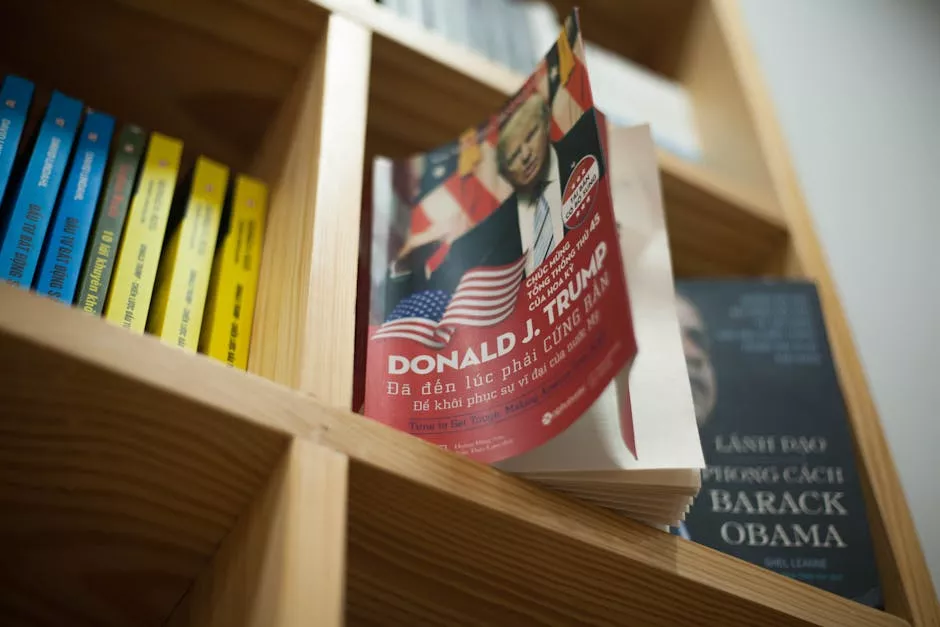
Trump's New Tariffs: Economic Risks and Global Discontent
Trump's fresh tariffs threaten US consumers, global trade, and diplomatic relations with key nations, sparking widespread economic concern.
International Relations Correspondent

The Repercussions of Trump's New Tariffs
In a move that has sent ripples through global economic circles, former US President Donald Trump has imposed a fresh set of tariffs following the US Supreme Court's overturning of his previous tariff strategy. Emphasizing his unyielding stance on protectionism, Trump utilized a rarely invoked legal mechanism to introduce a sweeping 15% tariff on a myriad of imports, a decision analysts predict will adversely affect not only consumers and businesses in the US but also its trading partners worldwide.
Historical Context
Tariffs have long been a tool of US economic policy, employed at various times to protect nascent industries or retaliate against unfair trade practices. Trump's tenure was marked by an aggressive use of tariffs aimed particularly at China, which he accused of unfair trade practices. His previous tariffs, despite their controversial nature, were defended as a means to bolster American industry and rectify trade imbalances. However, the Supreme Court's recent ruling on the lack of legal grounding for these existing tariffs represents a significant judicial rebuke of Trump's trade policy approach.
Economic Impact on the US
The introduction of a 15% tariff across the board paints a grim picture for American consumers and industries. The immediate effect is likely to be felt in higher prices for imported goods, from electronics to automobile parts, exacerbating inflationary pressures that have been of growing concern in recent months. American manufacturers, dependent on foreign-made components, may find themselves squeezed by higher production costs, potentially leading to layoffs and reduced investment.
Global Trade and Diplomatic Relations
Internationally, the new tariffs threaten to strain relationships with key allies and trading partners. Countries previously affected by US tariffs during Trump's tenure, such as China, Canada, and members of the European Union, are unlikely to welcome this latest maneuver. Global trade mechanisms and organizations, such as the World Trade Organization, may see increased tensions as affected countries seek redress or retaliate with tariffs of their own, risking a cycle of retaliatory policies that could slow economic recovery on a global scale.
Stock Market Reactions
Trump's tariffs have also reverberated through the stock markets, traditionally seen as a barometer of economic confidence. Initial reactions have been negative, with fears of reduced corporate earnings and diminished consumer spending power leading to declines in key indices. Corporate sentiment reflects a broader skepticism, with many business executives vocal about the potentially damaging impacts on sectors such as technology, manufacturing, and retail.
Public Opinion and Political Implications
Domestic opposition to the tariffs is widespread, transcending typical partisan divides. According to a recent ABC News/WashingtonPost/Ipsos poll, a significant 64% of Americans disapprove of this tariff strategy, indicating potential political fallout. As the 2026 electoral cycle looms, Trump's tariff policies are likely to be a focal point of economic debate, potentially influencing voter sentiment and broader political dynamics.
Why It Matters
Why It Matters
The implications of Trump's new tariffs extend beyond immediate economic concerns. They underscore a broader geopolitical shift towards unilateralism and protectionism, challenging established norms of global trade cooperation. Countries may increasingly seek regional or bilateral trade agreements, bypassing traditional multilateral frameworks. Observers should watch for shifts in US alliances and responses from international trade bodies, which could dictate the future landscape of global commerce. Policymakers and economists alike will need to navigate these uncertain waters, balancing protectionist pressures with the demands of a connected global economy.