Will Trump's Strategy Shift on Iran in Election Year Turmoil?
Facing rising costs and pressures, can Trump pivot from the Iran conflict?
Defense & Security Editor

A High-Stakes Election Year
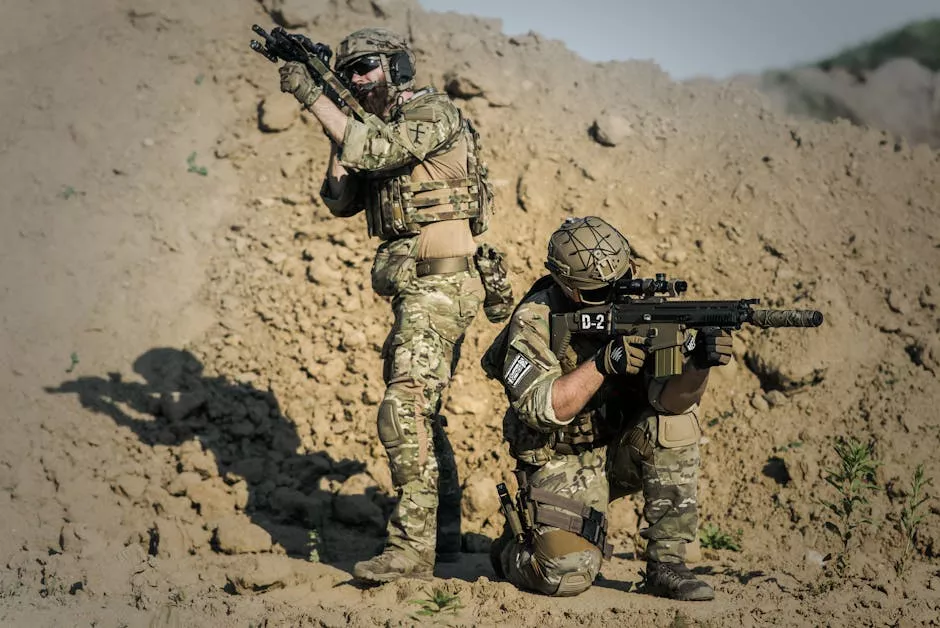
As the United States gears up for another critical election year, President Donald Trump faces mounting pressures both domestically and internationally. Among his most significant challenges is the ongoing conflict with Iran, which has posed substantial economic and political burdens on his administration. The question of whether Trump can effectively pivot and declare victory, or continue on the current path, looms large in the political narrative.
Historical Context: Decades-Old Tensions
The tensions between the United States and Iran have been a defining feature of Middle Eastern geopolitics for decades. Since the Iranian Revolution of 1979, US-Iran relations have been fraught with hostility, exemplified by the Iran Hostage Crisis, the Iran-Iraq War wherein the US supported Iraq, and the recurring sanction regimes. However, it was under Trump's administration that the volatile relationship took a significant turn with the withdrawal from the Iran Nuclear Deal (JCPOA) in 2018 and re-imposition of severe economic sanctions.
The Regional Perspsective
In the broader Middle Eastern context, the US-Iran tensions have ripple effects that impact the entire region. Countries such as Iraq, Syria, and Lebanon feel the direct influence of Iranian politics and aggression, which is often countered by US interventions or allies in the region. Trump's aggressive stance has been met with a mixed response. Allies like Saudi Arabia and Israel favor the hardline approach towards Iran, aligning with Trump's policy of 'maximum pressure.'
Economic and Political Costs
While Trump's administration justified the re-imposition of sanctions as a means of crippling Iran's nuclear ambitions and geopolitical leverage, the economic ramifications have also been felt back home. Rising oil prices, coupled with retaliatory moves from Tehran targeting US interests and allies in the region, pose significant economic and security challenges. Moreover, any military escalation risks unilateral commitment in a swath of volatile theaters, potentially fueling anti-American sentiment.
Walking Away with a Win?
Given the economic and political tolls, Trump faces a critical decision. Can he declare victory and pull back, thereby freeing resources and easing economic pressures? Or will he double down, betting on a tough stance to rally his base and project strength? With the election looming, his choices not only affect policy but also define his political legacy.
Geopolitical Implications
The implications of Trump's next moves in Iran are vast. Any shift could realign US policy in the Middle East, influence relations with key allies, and redefine America's global standing. For regional powers, the stakes are similarly high. Nations within the Gulf Cooperation Council (GCC) and European allies have stakes in how the US navigates the quagmire. This creates a delicate balancing act of exerting pressure without inviting further instability.
Why It Matters
Why It Matters
The implications of President Trump's decisions on Iran transcend the immediate U.S.-Iran relationship. Globally, a strategic shift could signify a move toward de-escalation and re-negotiation of the nuclear deal, impacting international nuclear non-proliferation efforts. Alternatively, continued confrontations could lead to increased instability in a geopolitically sensitive region that is already fraught with tensions. Such developments could affect global oil markets, international security policies, and potentially, electoral outcomes in allied nations watching U.S. foreign policy as a bellwether. Moving forward, observers should watch for signals from both Washington and Tehran regarding potential diplomatic overtures, changes in military postures, and economic indicators that may hint at shifting strategies or resolutions.