Trump Warns Nations on Trade Deals Following Supreme Court Rebuke
Trump issues a warning to nations on trade deals after the Supreme Court ruled he overstepped his authority on tariffs.
Defense & Security Editor
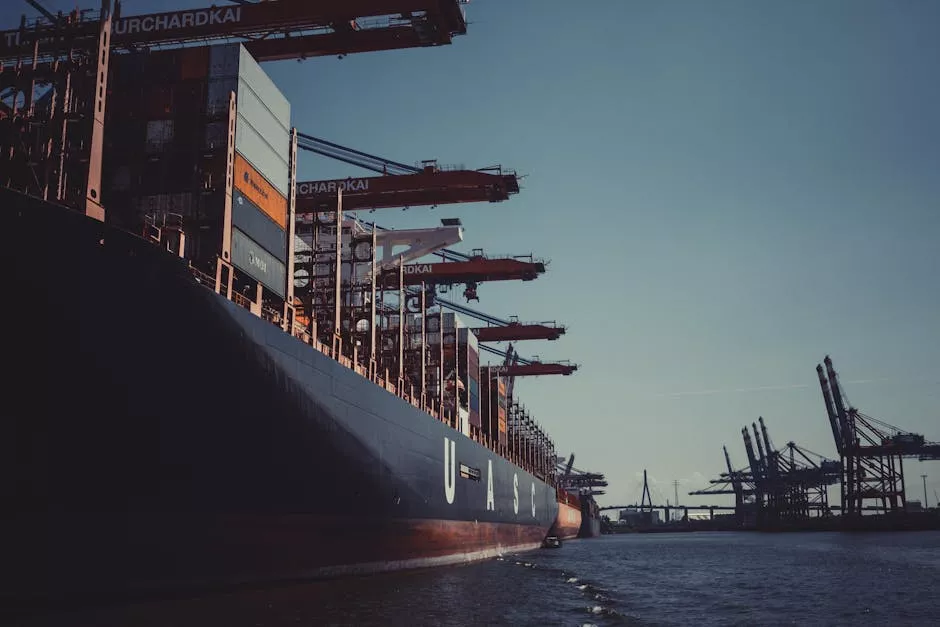
The geopolitical landscape of international trade has been further complicated by recent remarks from former U.S. President Donald Trump. He has issued a stern warning to nations he believes are undermining current trade agreements. This declaration comes in the wake of a recent U.S. Supreme Court ruling which found that Trump had overreached his executive powers by implementing extensive tariffs during his tenure.
Backdrop of Tensions
The Supreme Court's decision marks a significant development in the ongoing dialogue surrounding trade policies established under the Trump administration. The tariffs, originally imposed on numerous countries, were part of a broader effort to recalibrate U.S. trade relationships. However, this approach was met with criticism both domestically and internationally, where many argued it contravened established trade norms.
A Retrospective on Trump's Trade Strategy
Trump's trade policy, often characterized by adversarial tactics, targeted critical economic players like China and the European Union. At the heart of this strategy was the belief that the U.S. was disadvantaged by existing trade agreements. Thus, tariffs were employed as a powerful instrument to bring about renegotiations and ostensibly better terms for the U.S. However, the Supreme Court's latest decision underscores the limitations of executive power in commerce, emphasizing constitutional and legal boundaries.
Global Reaction
The international reaction to Trump's recent statements has been mixed. While some countries remain steadfast in their support for existing agreements, others are wary of potential disruptions. The European Union, having already clashed with the Trump administration over tariffs, is closely monitoring these developments. Similarly, Asian countries are carefully considering their economic ties with the U.S., especially in light of China's pivotal role in regional trade networks.
Implications for Future Trade Policies
The implications of this unfolding scenario are vast. Trump's comments have reignited debates on the balance between protectionism and multilateral trade cooperation. For many countries, the focus now shifts to how a potentially different U.S. administration might approach existing agreements. Moreover, there is a growing concern about the stability of global trade norms and the risks of a fragmented economic landscape if more countries adopt similar unilateral measures.
Political and Economic Impact
Politically, Trump's rhetoric may influence the discourse in upcoming U.S. elections, where trade policies will be a significant topic among candidates. Economic stakeholders, including multinational corporations and investors, are also recalibrating strategies to adapt to possible shifts in U.S. trade policy. The financial markets, inherently sensitive to geopolitical instability, have shown signs of cautious optimism, hoping for a more consistent and predictable trade environment moving forward.
Historical Context
This situation is not without precedence. Historically, U.S. trade policies have oscillated between protectionist and liberal orientations. Trump's tenure, with its aggressive tariff implementations, echoes past economic nationalism akin to the early 20th century. Yet, modern globalization poses challenges that significantly differ from those faced in earlier eras, complicating the replication of past strategies.
Why It Matters
The recent exchange between former President Trump and the judicial branch over trade authority highlights the enduring tensions between the executive's ambitions and judicial oversight. For international observers, this event underscores the unpredictable nature of U.S. trade policy, which can swing widely with changing administrations. This unpredictability presents both opportunities and challenges for global trade partners. On one hand, countries might see openings to renegotiate terms or strengthen trade ties with current U.S. legislators. On the other, there's an inherent risk in investing too heavily in relationships that might sour with political shifts. As such, countries are likely to diversify their trade partners and strategies to mitigate these risks, potentially leading to a more multipolar trade environment. Watching how the U.S. balance power between trade protectionism and cooperation will be crucial for understanding the future contours of global trade norms.