Trump Hints at Prolonged U.S.-Iran Conflict Amid Gulf Tensions
President Trump signals potential U.S. engagement in a long-term conflict with Iran, as regional hostilities escalate involving Gulf states and Israel.
Defense & Security Editor
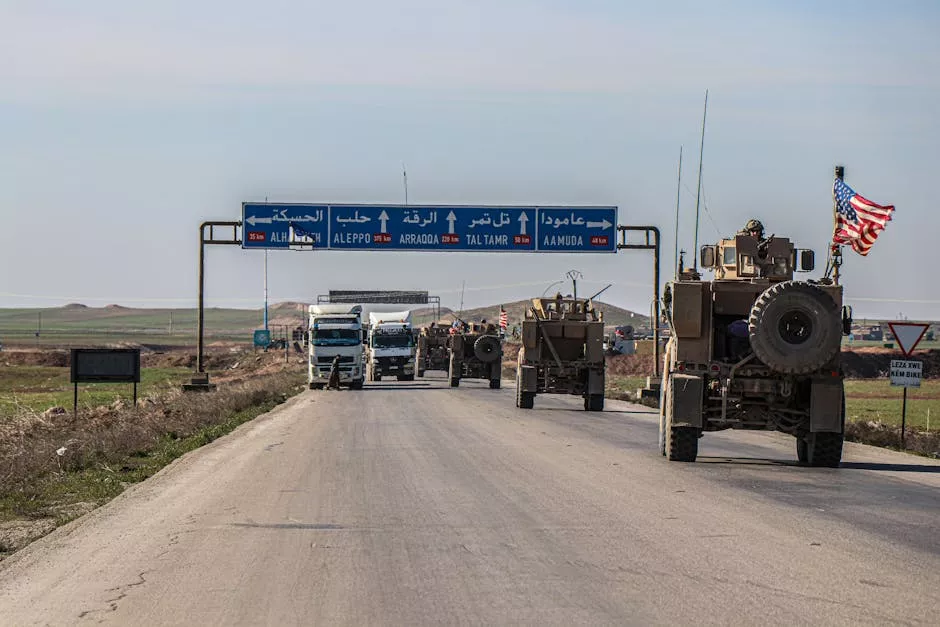
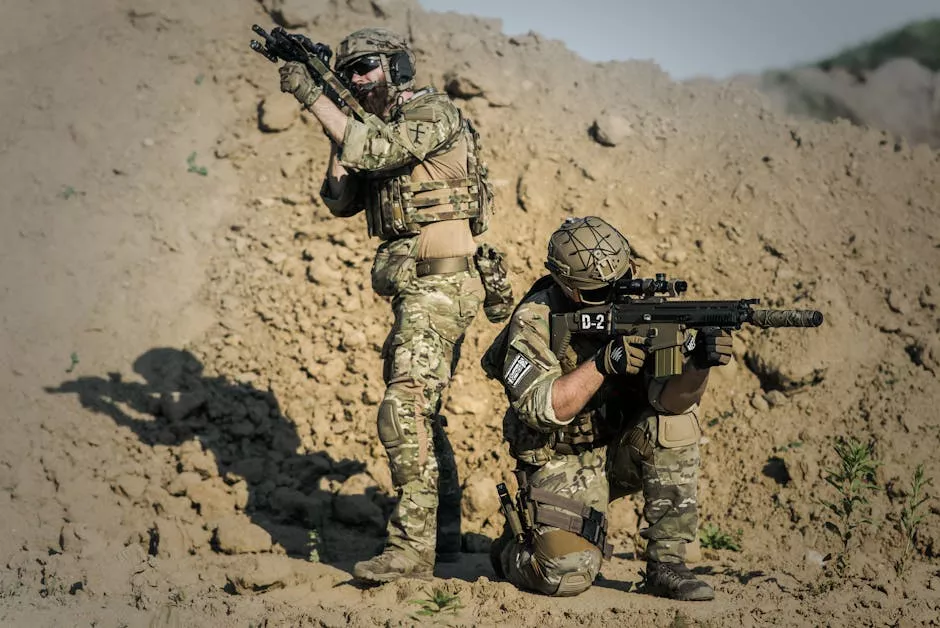
The geopolitical landscape in the Middle East appears to be poised for a significant shift as President Donald Trump addressed the nation, signaling the United States' readiness for an extended confrontation with Iran. Amid escalating tensions in the Middle East, Trump notably did not exclude the possibility of deploying ground troops to Iran, igniting concerns about a broader military engagement. The conflict seems to be seeping into the fabric of the Gulf region, with Lebanon and Israel engaging in reciprocal strikes, further complicating the already volatile situation.
Historical Context and Escalation
The friction between the U.S. and Iran is deeply entrenched in history, marked by decades of diplomatic and military entanglements. Dating back to the 1979 Iranian Revolution and the subsequent U.S. embassy hostage crisis, relations have been fraught with mistrust and antagonism. Sanctions and confrontations have ebbed and flowed over the years, yet the current scenario seems unprecedented in its scope.
The assassination of Iranian General Qasem Soleimani in January 2020 marked a new phase in U.S.-Iranian relations. This act by the U.S., followed by retaliatory missile strikes from Iran, set off a chain of events that have brought us to this critical juncture. The Trump administration's 'maximum pressure' campaign, aimed at crippling Iran's economy through stringent sanctions, has had a profound impact, albeit without achieving the intended behavioral change from Tehran.
Regional Implications
The rise in hostilities has reverberated across the Gulf region. Saudi Arabia, traditionally a staunch U.S. ally, finds itself navigating a complex diplomatic landscape. The potential for Iranian influence in neighboring Yemen, through proxy groups, poses a direct threat to Saudi national security.
Meanwhile, Israel has been on high alert due to its proximity and longstanding enmity with Iran. Any escalation could see Israel drawing deeper into the conflict, especially if Iranian-backed groups increase their missile strikes. The potential for a regional conflagration seems more likely as each day passes without diplomatic resolution.
Geopolitical Implications
The U.S.'s readiness for a prolonged engagement with Iran holds significant implications for global geopolitics. The potential for U.S. troops being deployed into Iran could destabilize regional markets and disrupt global oil supplies. The Hormuz Strait, through which a significant percentage of the world’s oil passes, becomes a focal point of concern. Any blockade or military engagement in this area could trigger global economic repercussions.
Additionally, this situation challenges the current international order. China's rising influence in the region, coupled with its strategic investments under the Belt and Road Initiative, could lead to shifts in alliance and power dynamics. Russia's potential involvement, owing to its strategic ties with Iran, further complicates the equations, making this conflict a fulcrum for major powers' diplomacy.
The U.S. Domestic Perspective
Back in the United States, Trump's indication of a prolonged military engagement with Iran comes with domestic repercussions. Public opinion remains divided on military interventions abroad, especially after the protracted conflicts in Afghanistan and Iraq. As the nation grapples with economic challenges and the aftermath of a global pandemic, the specter of another extended military operation garners significant scrutiny from political observers and citizens alike.
Furthermore, the economic implications of increased military spending and potential shifts in oil prices could influence the domestic policy landscape, impacting everything from market prices to job trends in energy sectors.
Why It Matters
The broader significance of the U.S. signaling a potential long-term conflict with Iran lies in its impact on global stability and security. This development underscores the complex interplay between local conflicts and their global ramifications. A military engagement in Iran is likely to strain U.S. alliances, reevaluate NATO’s involvement, and possibly shift power-dynamics in Europe and Asia. Observers should monitor diplomatic engagements by major powers like China and Russia, and potential mediation efforts from the European Union. The global community's response to any escalation will shape the direction of this conflict and set precedents in international conflict resolution strategies.
Of particular concern is the potential for regional spillover into other Gulf and Middle Eastern countries, complicating existing conflicts and possibly igniting new ones. The dynamic nature of these developments calls for close observation of military movements, diplomatic dialogues, and economic ramifications as the situation evolves.