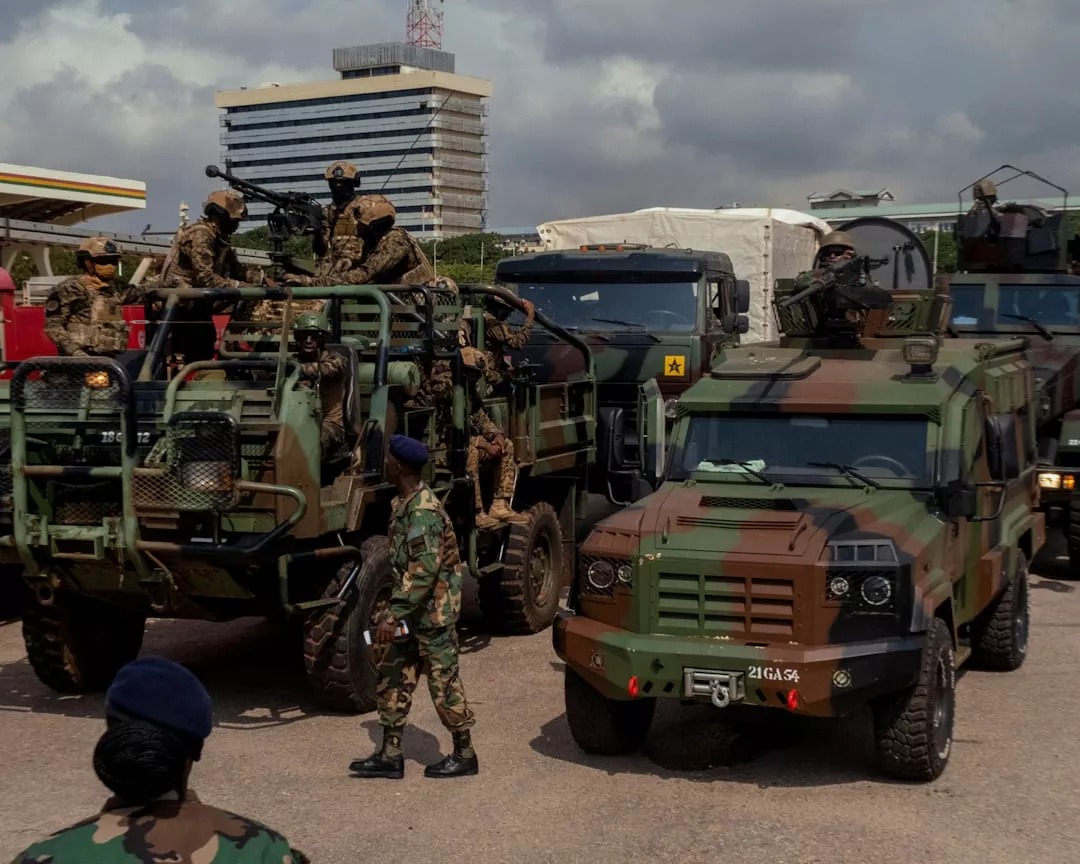
Trump Promises Retaliation After ISIS Attack Kills 3 Americans in Syria
Three US citizens killed in ISIS attack in central Syria as lone gunman targets American forces before being eliminated by military personnel.

Former President Donald Trump has vowed swift retaliation following a deadly ISIS attack in central Syria that claimed the lives of three American citizens, marking a significant escalation in regional tensions and highlighting the persistent security challenges facing US forces in the Middle East.
According to US Central Command (CENTCOM), a lone gunman launched an attack against American personnel in central Syria before being "engaged and killed" by responding forces. The incident represents one of the deadliest attacks on US citizens in Syria in recent months, underscoring the ongoing threat posed by ISIS remnants despite years of counterterrorism operations.
Strategic Implications for US Middle East Policy
The attack comes at a critical juncture for American foreign policy in the region, as the US maintains approximately 900 troops in Syria as part of the ongoing mission to prevent ISIS resurgence. These forces primarily operate in partnership with Syrian Democratic Forces (SDF) to maintain pressure on remaining ISIS cells and secure key infrastructure.
Trump's promise of retaliation signals a potential shift toward more aggressive counterterrorism measures, though the specific nature of any response remains unclear. Historical precedent suggests such retaliation could involve targeted airstrikes against ISIS positions, expanded intelligence operations, or increased military cooperation with regional allies.
Regional Security Dynamics
The incident highlights the complex security environment in Syria, where multiple actors including Russian forces, Iranian-backed militias, Turkish military units, and various Syrian factions operate in close proximity. This crowded battlefield creates significant risks for escalation, particularly if retaliatory measures inadvertently affect other regional players.
Intelligence analysts note that ISIS has adapted its tactics in recent years, shifting from territorial control to insurgent-style attacks against high-value targets. The group's ability to conduct operations against American forces demonstrates its continued operational capacity despite sustained international pressure.
Implications for Regional Stability
The attack may prompt renewed debate over the American military presence in Syria and broader Middle East strategy. Critics argue that maintaining forces in such volatile environments exposes personnel to unnecessary risks, while supporters contend that withdrawal would create power vacuums exploitable by terrorist organizations.
Regional allies, particularly Israel and Jordan, will likely monitor any American response closely, as escalated military action could affect broader regional stability. The incident also raises questions about intelligence sharing and coordination among international coalition partners operating in Syria.
As Washington weighs its options, the international community watches for signs of how this tragedy might reshape American engagement in one of the world's most complex conflict zones.