Trump Seeks Latin America Coalition Against Drug Cartels
Trump urges Latin American leaders to join forces in military action against drug cartels, highlighting security concerns.
Africa & Global Economy Correspondent
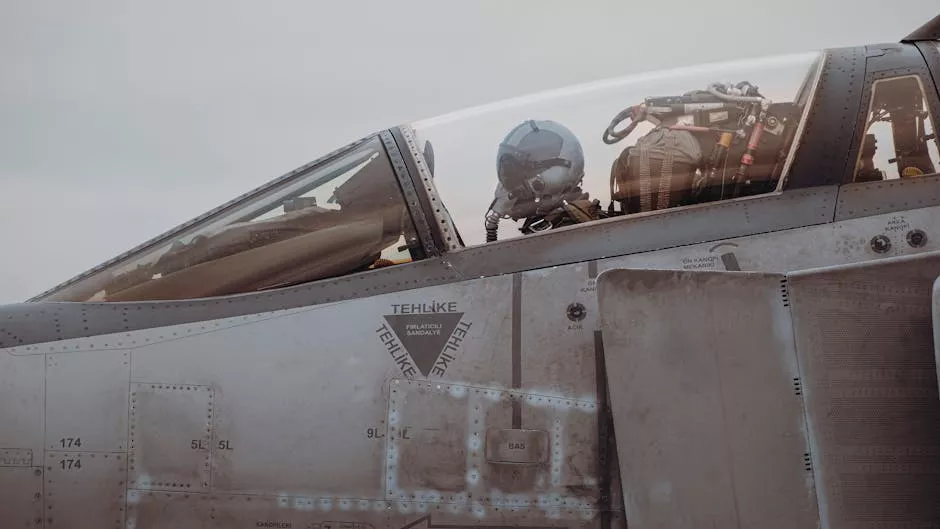
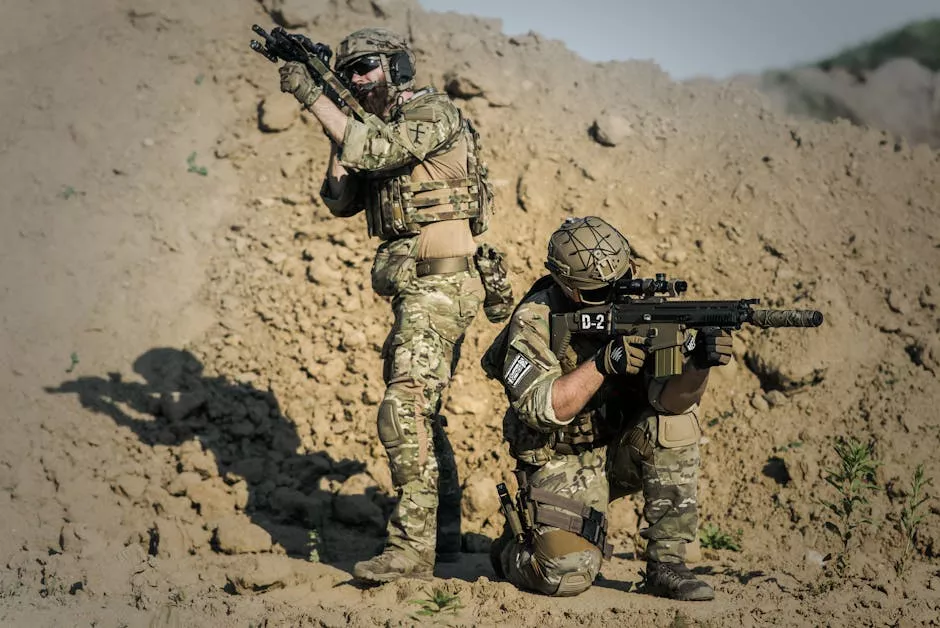
In a strategic move to bolster regional security, U.S. President Donald Trump hosted a coalition of Latin American right-wing leaders at his Florida golf club, advocating for a unified military response against the pervasive influence of drug trafficking cartels. With transnational gangs posing a significant threat to national and regional security, Trump emphasized the urgency of joint efforts to tackle what he described as an 'unacceptable threat.'
Historical Context
The issue of drug trafficking has long plagued the Americas, with powerful cartels exerting influence over politics, economies, and social structures. The United States has historically been both a significant consumer market and a key partner in combating narcotics. Previous administrations have attempted various strategies, from military aid initiatives like Plan Colombia, which saw over $10 billion funneled into Colombian security forces, to diplomatic approaches emphasizing cooperation and trade restrictions. Despite these efforts, the cartels adapt and persist, underscoring the complexity of the issue.
Regional Perspectives
The leaders present at Trump's meeting, including prominent figures from Brazil, Colombia, and Mexico, offered varied perspectives. Brazil's president has been vocal about aggressive anti-drug measures, seeing organized crime as a significant barrier to national development. Colombia, bearing scars of the decades-long battle against its own insurgent groups, cautiously approaches military solutions while emphasizing comprehensive strategies that include social and economic components.
Geopolitical Implications
The proposed coalition signals a shift towards escalated military measures and away from solely diplomatic dialogues. For Latin American countries, aligning closely with U.S. security agendas could have broader implications, potentially affecting their autonomy in international relations and leading to increased military expenditures. Additionally, a military-focused strategy could risk escalating violence, impacting civilian populations, and international relations particularly if operations extend across borders.
The geopolitical climate surrounding this coalition is further complicated by varying international responses to the Trump administration's foreign policy strategies. Countries outside the Americas, particularly those with vested interests in international trade and stabilization efforts, will likely scrutinize any military engagement for its broader impact on regional stability and global economic dynamics.
Coalition Dynamics
Internally, the coalition faces challenges including varying national interests, resource disparities, and political goodwill. While wealthy countries like the U.S. and Brazil may afford increased defense spending, poorer nations struggle with fiscal limitations and political instability. Overcoming these inherent discrepancies is critical for any effective coalition-building, especially within such a diverse region.
The Road Ahead
As the meeting concludes, the path forward involves defining specific military objectives, securing legislative support across involved nations, and building frameworks for cross-border cooperation without infringing on national sovereignty. These endeavors must balance assertive action against careful diplomacy to avoid exacerbating tensions and fostering long-term solutions.
Why It Matters
The coalition Trump seeks to forge against drug cartels reflects shifting U.S. policy towards a more militant stance, marking a departure from the traditionally multifaceted approaches of past administrations. This pivot raises questions about the militarization of humanitarian issues, particularly in regions struggling with poverty and instability. The proposed military action could indeed curb criminal activities in the short term; however, without addressing underlying socioeconomic issues, the cycle of violence and trafficking may persist.
Observers should watch how involved nations balance sovereignty with shared security goals, and whether this coalition can achieve sustainable outcomes without further destabilizing the region. Furthermore, international reaction will be crucial, particularly from key players like the EU and China, as they respond to potential fluctuations in regional stability and international drug markets. The coalition’s success largely depends on its ability to integrate military action with comprehensive socio-economic programs designed to undercut cartels' recruitment and economic bases.