Trump's Iran Conflict Videos Target Young Rightwing Audience
Trump's Iran war videos are shaping narratives online, focusing on young rightwing audiences through aggressive and tasteless depictions.
Senior Geopolitical Analyst

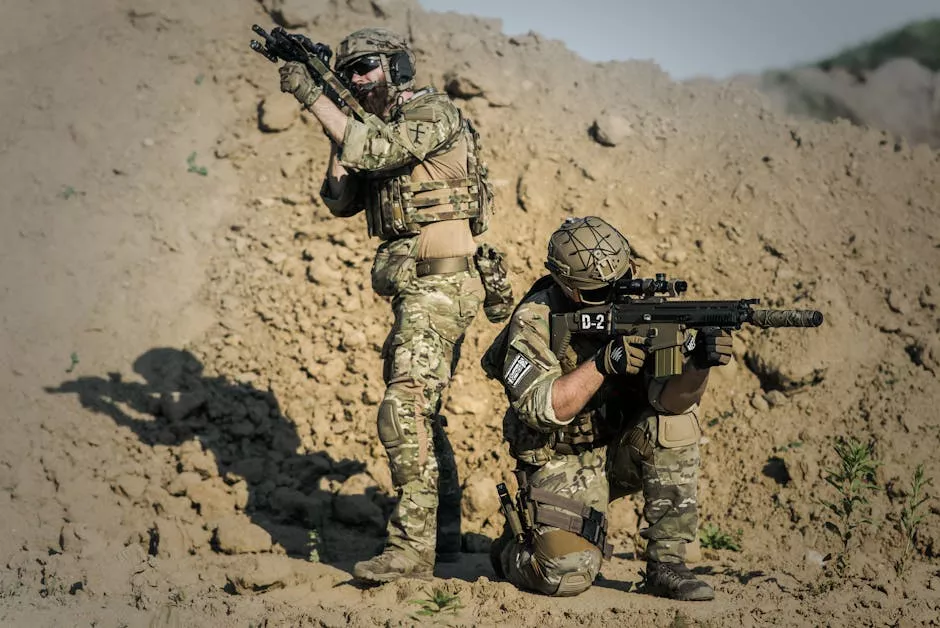
The ongoing conflict between the United States and Iran has taken a new turn as the second week unfolds. The White House, under the administration of Donald Trump, is leveraging modern digital media platforms to disseminate a series of provocative and aggressive videos. These videos, characterized by a blend of rap, EDM, and action-packed visuals reminiscent of video games, appear to be aimed at a specific demographic: young rightwing American men.
Understanding the Target Audience
Donald Trump's administration is known for its unconventional communication strategies, often bypassing traditional media channels to engage directly with supporters. This time, however, the focus has narrowed to a niche audience whose political inclinations are influenced significantly by online content. By utilizing elements familiar to this demographic—action movie clips, gaming visuals, and high-energy music—the administration seems intent on galvanizing a base that not only supports Trump's foreign policy but also disseminates the narrative further via social media networks.
Historical Context of US-Iran Tensions
For decades, the US-Iran relationship has been mired in tension, marked by events such as the 1979 Iranian Revolution, the hostage crisis, and the controversial Iran nuclear deal. Under the Trump administration, these tensions have escalated due to the withdrawal from the nuclear deal and heightened economic sanctions. Now, with military engagements at the forefront, the narrative of strength and dominance is being amplified through digital propaganda.
Regional Implications
The conflict with Iran has far-reaching implications beyond the United States. In the Middle East, countries like Saudi Arabia and Israel observe US actions closely, as they share mutual concerns regarding Iranian influence in the region. Iran’s allies, including Hezbollah in Lebanon, are also on high alert, potentially leading to wider geopolitical repercussions. This strategy of digital propaganda is part of a broader psychological warfare intended to sow discord among Iran's supporters and demonstrate US resolve to American allies.
The Role of Digital Media in Modern Warfare
In today’s digital age, narrative control has become as pivotal as military might, and the videos released by the Trump administration indicate a sophisticated understanding of this modern dynamic. By creating shareable, eye-catching content, the administration leverages digital platforms to maintain public support and potentially influence undecided young voters who are swayed by entertaining and high-impact visuals.
Experts suggest this tactic could either rally public opinion domestically or risk alienating international allies uncomfortable with the unorthodox approach. The combination of entertainment and aggression in political messaging echoes broader strategies seen in international conflict zones where digital media is used to influence domestic and global audiences alike.
Broader Geopolitical Implications
As the situation evolves, analysts will be watching closely how these videos play a role in shaping public perception and policy support. If they succeed in engaging the targeted demographic as intended, it might prompt similar strategies in future geopolitical crises. However, the potential for backlash exists, as tasteless or insensitive portrayals could invite criticism both at home and abroad.
Why It Matters
The significance of the Trump administration's latest propaganda push lies in its innovative use of digital media to sustain a specific political narrative. The broader geopolitical implications of this strategy are profound. By appealing to young rightwing audiences, the administration reinforces a base of support essential for domestic political stability amidst international conflict. Additionally, these videos could redefine conventional diplomacy by prioritizing psychological and cultural influence over traditional military might. However, such strategies carry risks of increased tensions with Iran's allies and criticisms from global diplomatic circles. Observers should monitor how such tactics evolve and whether they influence public opinion during crucial geopolitical decisions.