Trump's Iran Conflict: Unveiling an Unchecked Imperial Presidency
Trump's Iran conflict highlights unchecked powers and imperial ambitions reshaping U.S. geopolitics.
Senior Geopolitical Analyst
The Rise of an Imperial Presidency
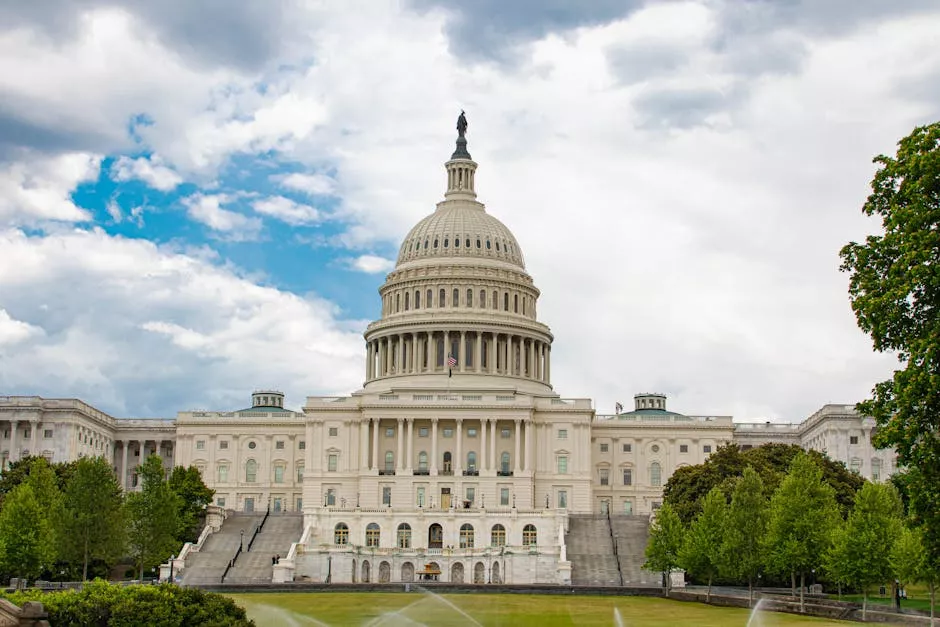
Donald Trump's presidency has been characterized by an unprecedented consolidation of power, changing the American political landscape. Since his return to the White House, he has embraced a self-image akin to a monarch, dismissing the checks and balances built by the founding fathers. This transformation has profound implications, now manifesting in a complex conflict with Iran.
Historical Context
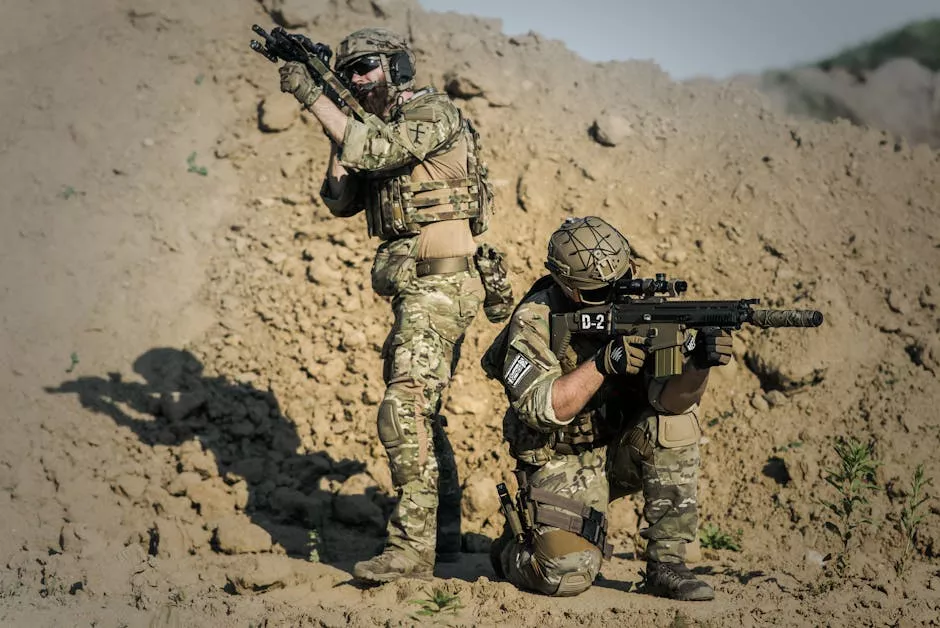
Historically, the U.S. presidency has experienced expansions and contractions in power. Yet, Trump's approach marks a departure from tradition. His administration's aggressive stance toward Iran can be traced back to his previous tenure when he withdrew from the Iran Nuclear Deal, escalated sanctions, and ordered the assassination of Iranian General Qasem Soleimani. These decisions fueled tensions, contributing to today's volatile situation.
A Regional Perspective
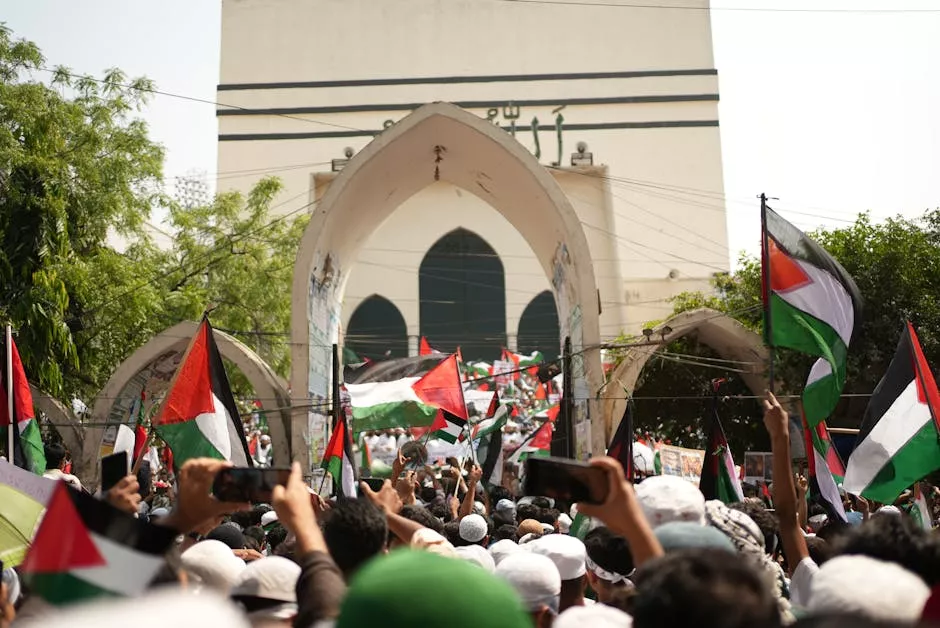
The Middle East has remained a geopolitical hotspot, with Iran being a central player. Trump's actions have exacerbated regional instability, drawing global attention. Iran, with its strategic alliances and influence, is pivotal in shaping Middle Eastern geopolitics. The unfolding conflict poses threats to regional peace and catalyzes alliances against what many perceive as U.S. imperialism.
Geopolitical Implications
On the global stage, the U.S.-Iran conflict could potentially redefine international alliances. Traditional U.S. allies express concern over Trump's methods, fearing unintended consequences. The conflict disrupts global oil markets, impacting economies worldwide. Furthermore, China's and Russia's increasing foothold in Middle Eastern affairs may exploit the situation, challenging U.S. influence.
Domestically Driven Decisions?
Trump's domestic agenda plays a crucial role in his foreign policy choices. By amplifying nationalistic sentiments, he consolidates support among his base. His recent moves in Iran may divert attention from domestic controversies, reinforcing his image as a decisive leader. However, such strategies carry immense risk, potentially alienating moderate constituents and damaging international diplomacy.
The Erosion of Accountability
The pathway to this conflict underscores the erosion of accountability within the American political system. With partisan divides and weakened institutions, the executive branch wields power with little restraint. The absence of rigorous oversight emboldens unilateral decisions, as seen in Trump's handling of Iranian affairs. This phenomenon raises questions about the future of democratic checks in the United States.
Why It Matters
Why It Matters: The U.S.-Iran conflict under President Trump highlights the broader issue of unchecked executive power, raising alarms about international stability and U.S. credibility. Any escalation could provoke a significant geopolitical shift, affecting economies and alliances worldwide. Observers should watch for diplomatic interventions from global powers and domestic responses that could either escalate or de-escalate the situation. The outcome will have lasting implications for global peace, economic stability, and future U.S. foreign policy paradigms.