Trump Deflects Responsibility Amid Rising Civilian Deaths in Iran
President Trump deflects blame for rising Iranian civilian deaths, attributing them to Iranian actions amidst escalating regional tensions.
Senior Geopolitical Analyst
Mounting Civilian Toll Amidst Escalating Conflict
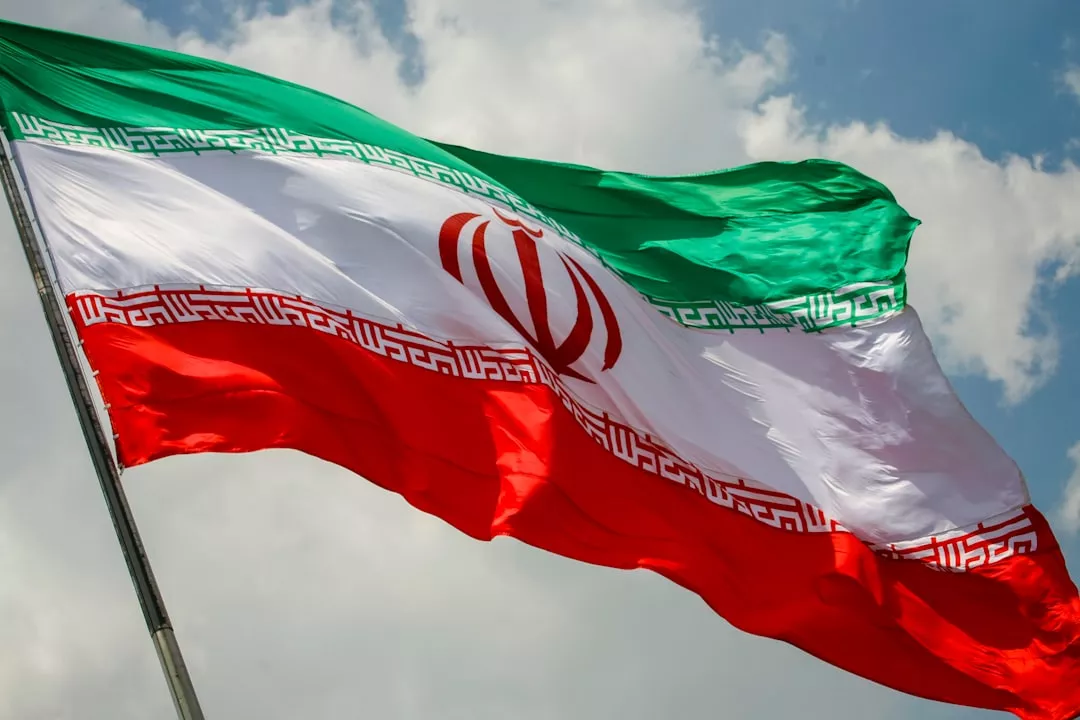
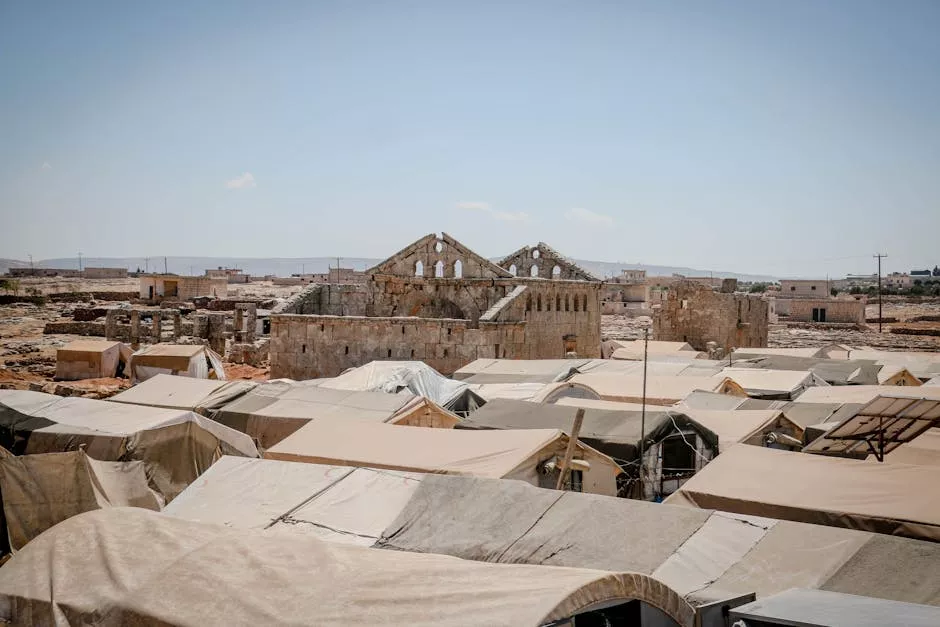
The ongoing conflict in Iran continues to draw global scrutiny as the civilian death toll surpasses 1,800. Amidst the casualties, the United States administration, led by President Donald Trump, attempts to sidestep responsibility, attributing the losses to Iranian actions. This deflection of blame comes amidst a backdrop of increasing geopolitical tension, further complicating the Middle East's already intricate web of alliances and enmities.
The Trump Administration's Stance
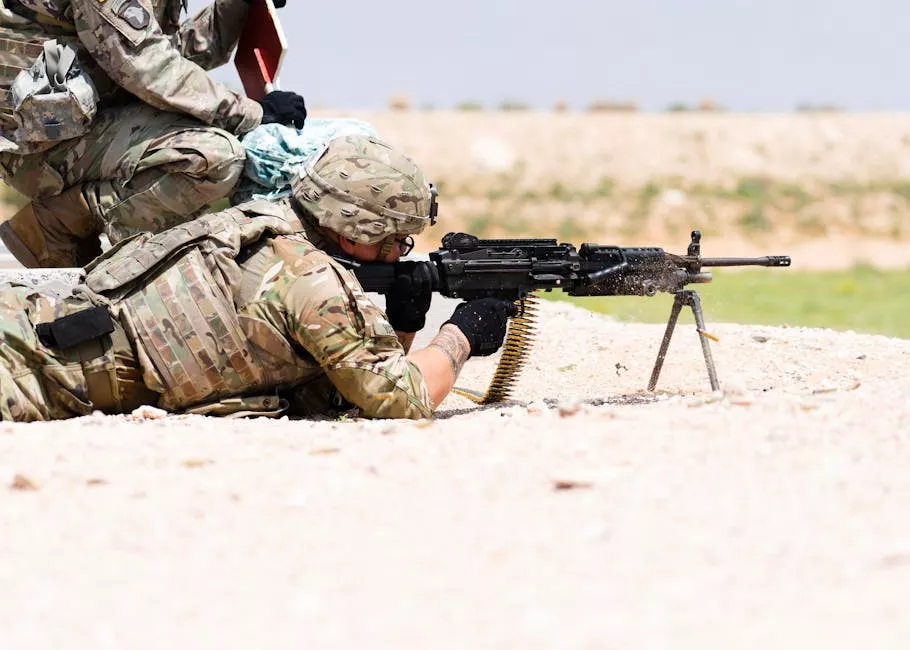
President Trump's rhetoric has consistently pointed fingers at Iran, portraying the regime as the primary agitator. The Pentagon echoes this sentiment, emphasizing that U.S. military actions are targeted and precise, designed to minimize collateral damage. However, the rising civilian casualties paint a conflicting picture, stirring debate over the ethics and effectiveness of U.S. foreign policy in the region.
Historical Context of U.S.-Iran Relations
The strained relationship between the United States and Iran has deep historical roots, compounded by decades of political and military confrontations. The 1979 Iranian Revolution marked a significant turning point, as it disrupted Western influence in the region and established a theocratic regime. The ensuing Iran-Iraq War, followed by U.S. sanctions and military interventions, has only intensified hostilities.
Against this historical backdrop, recent conflicts represent a continuation of the adversarial narrative. The withdrawal of the U.S. from the Joint Comprehensive Plan of Action (JCPOA) further deteriorated relations, setting the stage for today's tensions. The current escalation, therefore, is not an isolated incident but part of a long-standing confrontation with periodic intensifications.
Regional Implications
For the Middle East, the stakes are enormous. Iran's geopolitical strategy revolves around extending its influence through proxies and alliances across the region. Consequently, any major conflict involving Iran has ripple effects on neighboring countries, impacting political alliances, economic prospects, and regional security dynamics.
Countries like Iraq, Syria, and Yemen, already destabilized by internal and external conflicts, fear the spillover effects of U.S.-Iran tensions. Moreover, Gulf States, while aligned with Washington, remain wary of Iran's asymmetrical warfare capabilities, particularly its influence over non-state actors such as Hezbollah and the Houthis.
Global Geopolitical Repercussions
Globally, the conflict challenges international norms and institutions. The United Nations has repeatedly called for de-escalation and dialogue yet faces limitations in enforcing peace due to the geopolitical interests of its member states. Moreover, the conflict exacerbates existing global issues such as migration, with potential refugee crises looming should the violence persist.
Meanwhile, economic repercussions are already being felt. The oil markets, highly sensitive to Middle East stability, could experience significant volatility, affecting global economies heavily reliant on energy imports from the region.
Why It Matters
Why It Matters
The ongoing conflict in Iran and the deflection of blame by the U.S. bear significant geopolitical consequences. Primarily, it underscores the complexity of modern warfare, where non-traditional actors play pivotal roles, complicating accountability. This situation challenges existing international frameworks designed to mitigate conflicts and protect civilians. Furthermore, the persistent instability in the Middle East threatens global economic stability, particularly through its influence on oil markets. Observers must watch for shifts in international alliances and potential escalations, which could further destabilize the region and lead to a broader international crisis.