Tight Mayoral Race in Paris Amid Political Crosswinds
Paris faces a tight mayoral race as voters return to the polls for a decisive election featuring candidates from across the political spectrum.
Senior Geopolitical Analyst
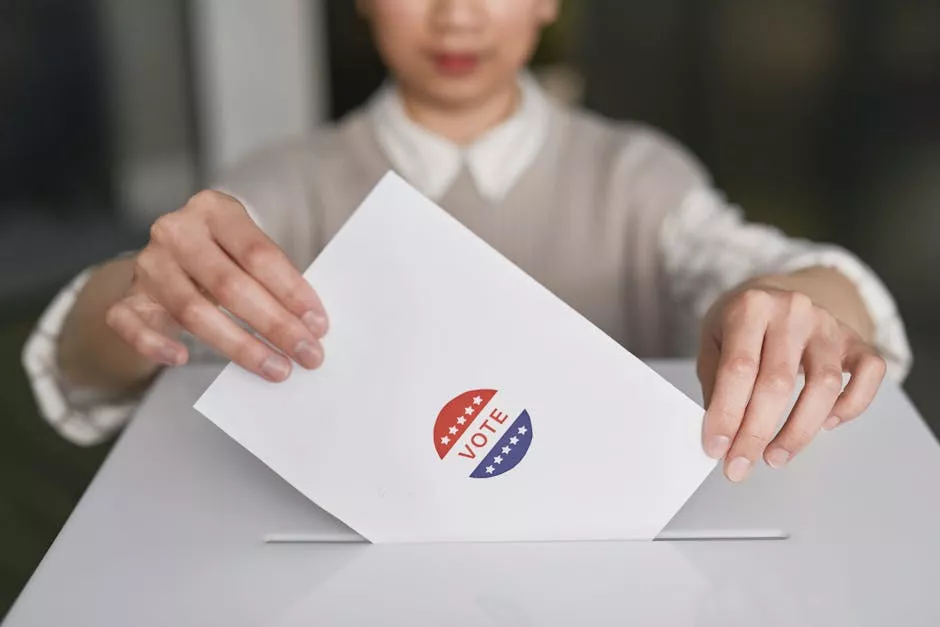
As the hush of early spring envelops Paris, the city finds itself at the center of a riveting political contest that underscores the dynamic and often unpredictable nature of French local politics. Just weeks after French voters participated in the initial round of municipal elections, they are once again heading to the polls. This weekend, a final and decisive round of voting is poised to determine who will steer France’s capital through the next term. The race is layered with complexity, featuring a tight contest among three standout candidates, each embodying distinct ideological and political convictions.
Paris: The Heart of French Political Drama
Paris is not just another city, but a beacon of culture, history, and political discourse. Its mayoralty has often served as a launchpad for broader political ambitions, drawing considerable national and international attention to its elections. This year, the focus is on three candidates vying for the coveted position: Emmanuel Grégoire, Rachida Dati, and Sophia Chikirou.
Emmanuel Grégoire: The United Left's Flagbearer
Heading a coalition of leftist and ecologically focused parties, Emmanuel Grégoire enters the electoral fray with the intention of continuing the progressive legacy of outgoing mayor Anne Hidalgo. Grégoire's campaign is notably marked by promises to further environmental initiatives designed to reduce Paris’s carbon footprint, along with social policies aimed at housing equity and inclusivity. Public sentiment appears to favor continuity in green and progressive policies, but the real test will be whether Grégoire captures the voters’ imagination enough to secure a mandate.
Rachida Dati: The Conservative Challenger
Rachida Dati, representing the conservative spectrum, stakes her claim on a platform of security and economic revitalization. Drawing from her experience as a former Minister of Justice, Dati’s campaign places a strong emphasis on public safety, urban development, and fostering business environments conducive to growth. Her appeal extends to constituents who feel overshadowed by the current administration’s focus on ecological issues at the expense of traditional economic policies.
Sophia Chikirou: The Defiant Voice of La France Insoumise
Completing the triad is Sophia Chikirou, the hard-left candidate from La France Insoumise. Chikirou’s campaign rides on the waves of grassroots activism, advocating for bold reforms and direct action to confront social inequalities. Chikirou aspires to channel the public's disenchantment with mainstream parties into tangible political influence, aiming to reshape Paris with a radically diverse administration.
The Historical and Political Context
The outcome of this election unfolds against a backdrop of shifting political landscapes both within France and globally. French politics have recently experienced intense polarization, with traditional party loyalties fragmenting amid emerging new political actors and changing public priorities. The Paris mayoral race exemplifies these broader trends, showcasing the diverse and often competing interests at play. Municipal elections in France traditionally provide a microcosm of national political sentiments, offering insights into the electorate's pulse ahead of larger national contests.
Moreover, this election takes place amid broader European political realignments. Issues such as climate change, migration, economic stability, and social justice are increasingly steering the political narrative across European capitals, with Paris being no exception. The result of the Paris mayoral race is likely to reverberate across borders, influencing similar urban political dynamics in cities worldwide.
Geopolitical Implications
Paris's role as a central node in global diplomacy and international relations lends additional weight to its local elections. Beyond domestic borders, the city's political direction significantly impacts France’s geopolitical strategy. A shift towards progressive policies might align Paris more closely with international climate commitments and EU-wide green agendas, while a conservative victory could see France reasserting traditional diplomatic and economic frameworks. The choice of mayor thus holds significance for France's broader foreign policy posture.
Additionally, the results may influence France's stance within the EU on pressing issues such as unified climate action, digital economy regulations, and transatlantic relations. The political leanings of Paris’s leadership could serve as a barometer for future collaborations and negotiations within the European Union.
The Road Ahead
As voters cast their ballots, the world watches closely. The result of this contest will not only shape the next chapter for one of the world’s most iconic cities but also offer a lens through which to assess the evolving landscape of French, European, and indeed global politics.
Why It Matters
The Paris mayoral race serves as a critical bellwether for evaluating the trajectory of both French and European politics. The city, an embodiment of cultural and political influence, offers a lens into shifting public priorities ranging from environmental calls to economic pragmatism. Globally, this election echoes themes prevalent across many democracies: the balancing act between progressivism and conservatism, the rise of grassroots momentum, and the intricate dance of local versus global interests. For readers, the outcome hints at future shifts in European urban governance, potential realignments in Franco-European strategies, and serves as a forecast for the broader geopolitical stage. Observers should watch for post-election policy shifts and their implications for France’s role both regionally and internationally.