Tensions Rise: Arrests at London Al-Quds Day Rally and Protests
Twelve arrests were made during London's Al-Quds Day rally amid tensions between pro-Palestine and pro-Israel groups.
Senior Geopolitical Analyst
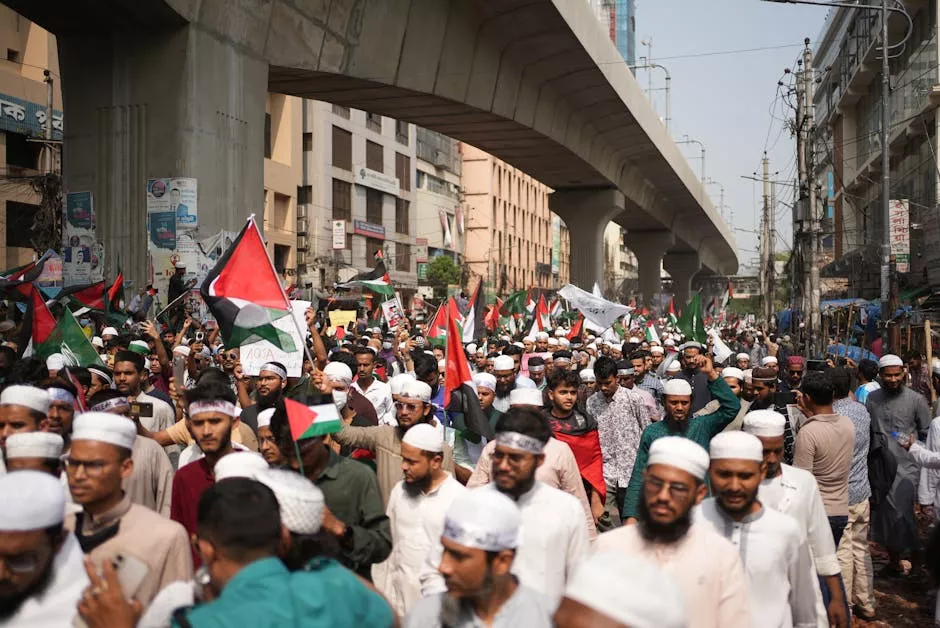
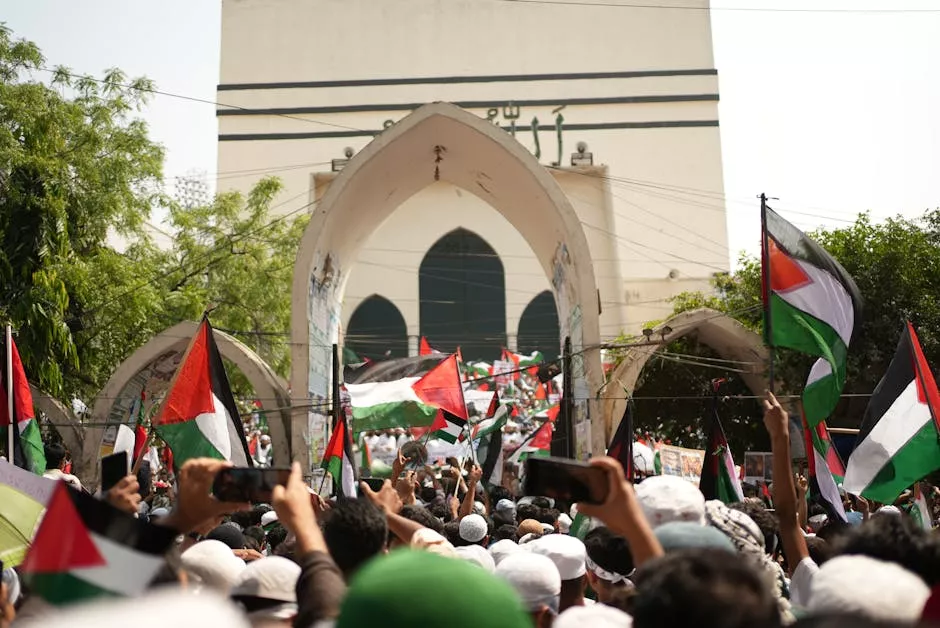
In a scene emblematic of the complex geopolitics of the Middle East, London witnessed significant tensions as hundreds gathered on the banks of the Thames for conflicting protests. The annual Al-Quds Day rally, which supports Palestinian rights, drew a crowd on one side of the river, while a counterprotest backing Israeli and American policies regarding Iran took place on the opposite bank. The event culminated in the arrest of twelve individuals, as the Metropolitan Police intervened to maintain order.
Historical Context of Al-Quds Day
Established by Ayatollah Ruhollah Khomeini after Iran’s 1979 revolution, Al-Quds Day is named after the Arabic word for Jerusalem. It is observed globally as a day to express solidarity with the Palestinian people and opposition to Israeli control of Jerusalem. The day has historically been a flashpoint, often evoking strong responses from both supporters and opponents.
The Events in London
The demonstration saw a dynamic interaction between groups voicing divergent views. Supporters of Palestinian rights gathered in significant numbers, displaying banners and chanting slogans that echoed their call for political and social justice in the region. Opposite them, supporters of Israeli policies displayed their own messages, underlining international tensions surrounding Middle Eastern politics.
Metropolitan Police reported that incidents of unrest led to the arrest of twelve people. Furthermore, the police are investigating chants led by UK musician Bobby Vylan, known for his outspoken views, which may have inflamed tensions during the pro-Palestinian assembly.
Regional and Geopolitical Implications
The Al-Quds Day events in London highlight the ongoing global impact of the Israeli-Palestinian conflict. The presence of counterprotests supporting Israeli and American agendas on Iran emphasizes the broader geopolitical stakes, as regional power dynamics continually influence international relations. These dynamics are further complicated by the roles of major powers such as the United States and various European nations, who often find themselves navigating complex diplomatic waters.
From a geopolitical standpoint, these demonstrations are more than mere urban events; they are microcosms of broader international tensions. The narratives and actions that unfold in these spaces reflect deeper ideological divisions that transcend borders. The situation also underscores the reality that Jerusalem and the broader Palestinian issue remain unresolved, continuing to influence global diplomacy.
Potential Consequences
The arrests in London, and the accompanying tensions, may not directly alter policies but symbolize an enduring struggle that demands ongoing international attention. Such events could potentially sway public opinion, influence diplomatic dialogues, and even affect domestic policies within nations hosting these protests. Moreover, they remind us of the volatility inherent in Middle Eastern geopolitics and the ever-present capacity for conflict to spill over into Western capitals.
Why It Matters
Why It Matters: The events at the Al-Quds Day rally in London offer a snapshot of the intricate geopolitical challenges of the Middle East, set against the backdrop of global debates on human rights and international policy. The arrest and investigation following the protests underscore the delicate balance authorities must maintain while respecting democratic expressions of free speech. These protests, while localized, reverberate through diplomatic channels and can influence broader geopolitical strategies. As tensions in the Middle East persist, global capitals remain platforms for voicing dissent, and policy shifts could follow depending on public sentiment and governmental response. Observers should thus watch how these protests influence both local and international political discourse, especially concerning Palestinian rights and Middle Eastern diplomacy.