Tehran's Toxic Sky: Fallout from Israeli Oil Depot Bombings
Israeli bombings in Tehran spark toxic fires, raising concerns over severe health impacts and geopolitical tensions.
Senior Geopolitical Analyst
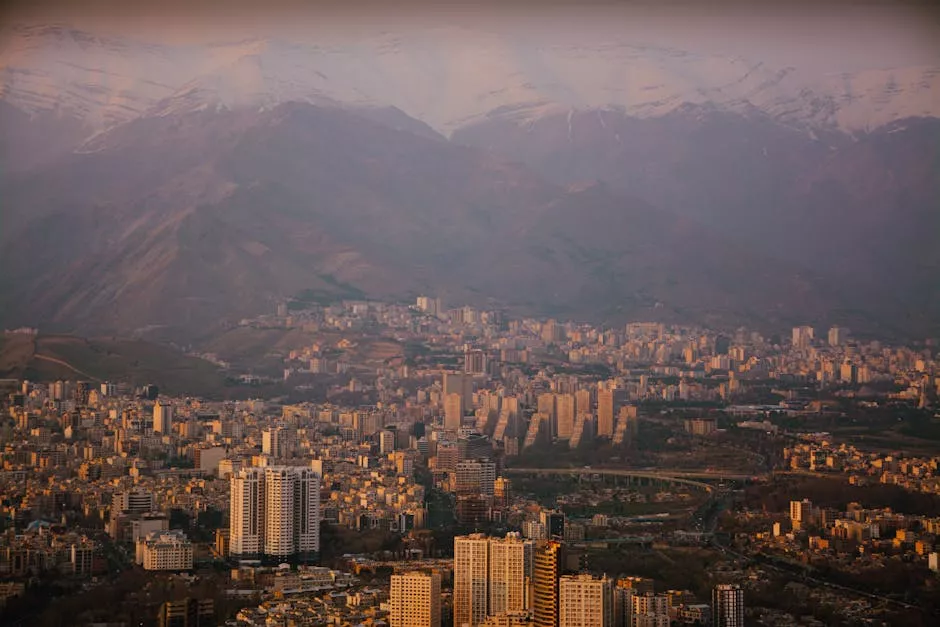
Tehran, the bustling capital of Iran, recently found itself shrouded in a noxious cloud of smoke and pollutants following a series of targeted bombings by Israeli forces. These bombings, aimed at oil depots across the city, have resulted in fires that raged for days. The immediate output of these fires—dense clouds filled with soot, sulphur dioxide, and oil particles—has already begun manifesting as a public health crisis.
The Aftermath of the Bombings
On March 7, explosive sounds resounded through Tehran as Israeli military operations struck multiple oil facilities. Satellite imagery captured the extent of the infernos, as vast plumes of smoke spread over the city. Local residents quickly reported widespread symptoms ranging from headaches to respiratory distress. The situation was exacerbated by a storm that followed, drenching the city with toxic rain infused with the byproducts of the fires.
The health ramifications of the bombings are becoming increasingly evident, with hospitals observing a sharp rise in patients suffering from related ailments. Local authorities have scrambled to distribute masks and issue guidance on limiting exposure, but the enduring air quality challenges pose a protracted threat.
Historical Context and Regional Dynamics
Israel and Iran have long been adversaries in a complex geopolitical chess game, with Tehran frequently finding itself at odds with Israeli policy and military actions. These events unfold against a backdrop of fraught negotiations over Iran's nuclear program, regional hegemonies, and proxy conflicts that have characterized Middle Eastern politics for decades.
The bombings in Tehran are a stark reminder of the underlying tensions that fuel periodic flare-ups across the region. Israel’s strategic calculus often involves targeted strikes aimed at neutralizing perceived threats from Iranian military and energy assets. This latest development marks a significant escalation in hostilities, pointing to a deteriorating security situation.
Geopolitical Implications and Global Reactions
The burning oil depots in Tehran have sparked international concern, with global powers urging de-escalation. The incident has further strained diplomatic ties in the region, threatening to unravel existing agreements and cooperation frameworks. Analysts predict potential disruptions in global oil markets, exacerbating the already volatile energy landscape.
The fallout from the strikes underscores the delicate equilibrium in Middle Eastern geopolitics, where escalations can trigger far-reaching consequences. The international community faces the challenge of mediating between the parties to avert further conflict.
Environmental Concerns
The immediate environmental impact is visible in the toxic haze enveloping Tehran, raising alarms about long-term ecological damage. Environmental advocates have criticized both governments for prioritizing militarism over sustainability, with predictions of lasting adverse effects on the region's air and soil quality.
Looking Forward
As Tehran grapples with this crisis, regional and global stakeholders are left pondering the pathways to peace and stability. The Middle East remains a flashpoint where military engagements and diplomatic overtures coexist in a fragile balance. The pressing need for meaningful dialogue and robust peace-building mechanisms cannot be overstated.
Why It Matters
The events in Tehran offer a microcosm of broader geopolitical tensions that define the Middle East. This incident marks a significant escalation in Israeli-Iranian hostilities, raising fears of entrenching further conflict. The prolonged fires have not only imperiled public health but also exposed vulnerabilities in energy security, potentially influencing global oil prices. The international community's response, or lack thereof, could set a precedent for how similar crises are managed in the future. Observers should watch for intensified diplomatic engagements and any shifts in regional alliances as countries navigate the aftermath of these strikes.