Strait of Hormuz Tensions Risk Escalating into Full-Blown Conflict
Rising US-Iran tensions threaten the fragile Gulf ceasefire, risking renewed conflict.
International Relations Correspondent

Introduction
The Strait of Hormuz, a crucial maritime chokepoint for global oil transportation, has once again become a flashpoint in US-Iran relations. With both nations exhibiting unyielding stances, the prospect of the region sliding back into conflict looms large. The implications of such an escalation are significant, not only for the Middle East but for global security and economic stability.
Historical Context: A Region Fraught with Tension
The Strait of Hormuz has long been a hotspot in the geopolitics of the Middle East. Historically, the narrow waterway has witnessed numerous standoffs and conflicts, primarily due to its strategic importance and the fractious relationship between Iran and Western powers, particularly the United States. The 1980s saw the 'Tanker War' during the Iran-Iraq conflict, and more recently, the 2019 tanker seizures and drone incidents highlighted the ongoing volatility.
Current Situation: A Fragile Ceasefire
The latest developments come amidst a tenuous ceasefire in the region. Despite diplomatic efforts to stabilize the situation, both the US and Iran have maintained a firm posture, engaging in military posturing and sanctions imposition. The ongoing US economic pressure on Iran, via stringent sanctions, has crippled the Iranian economy, prompting Tehran to retaliate with threats and military maneuvers.
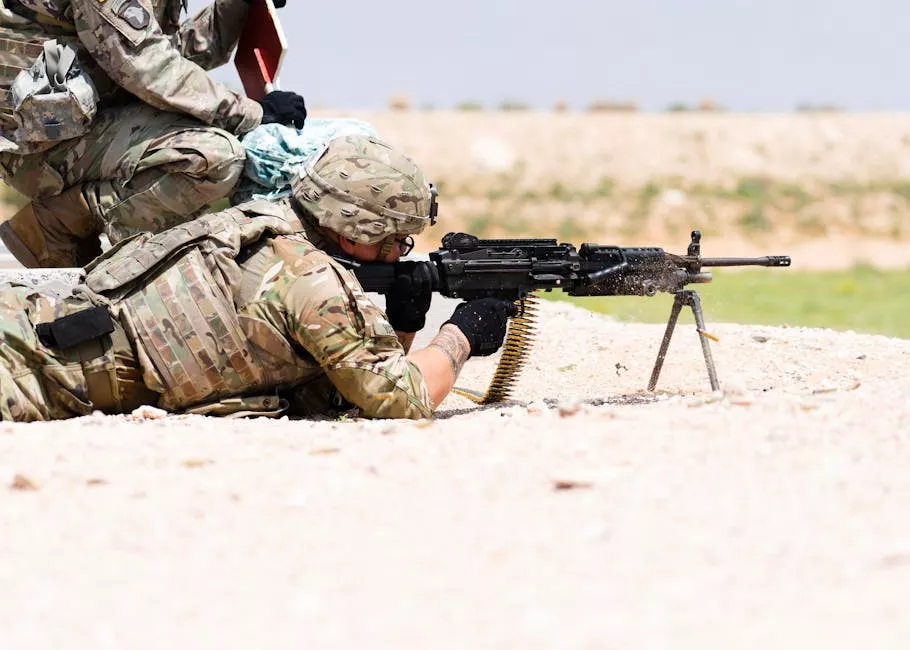
Iran's recent naval exercises in the Gulf, alongside its ballistic missile tests, underscore its readiness to counteract any perceived threats. Conversely, the United States, concerned about the security of its allies and unfettered global oil flow, has bolstered its military presence, further inflaming regional tensions.
Geopolitical Implications
The standoff in the Strait of Hormuz holds substantial ramifications for global energy security. Approximately 20% of the world’s petroleum passes through the strait, making it a critical artery for oil-exporting nations like Saudi Arabia and the United Arab Emirates. Any military confrontation could dramatically disrupt oil flow, triggering skyrocketing prices that would ripple throughout the global economy.
Moreover, the situation could draw in other regional and international actors, eager to safeguard their interests. Allies of both the US and Iran might become embroiled, further complicating peace efforts. The European Union, Russia, and China have all expressed concerns about the escalating tensions and have called for renewed dialogue.
Regional Perspectives
Within the Middle East, nations are warily observing the unfolding drama. Gulf Cooperation Council (GCC) states, while traditionally aligned with US policies, are increasingly advocating for de-escalation, mindful of the catastrophic impact a conflict would have on their economies and internal stability. Meanwhile, regional rivals like Israel and Saudi Arabia are preparing contingencies, aware that their security architectures are intricately linked to US policy outcomes.
Conclusion
The ongoing tensions in the Strait of Hormuz underscore a critical juncture in US-Iran relations. While diplomatic avenues remain open, the situation demands careful navigation to avoid a full-blown conflict that could have dire consequences for the Middle East and the broader international community. As world powers consider their next moves, the urgency of strategic diplomacy has never been more critical.
Why It Matters
Why It Matters
The tensions in the Strait of Hormuz are not just about the US and Iran. This conflict embodies the broader struggles for influence and dominance in the Middle East, a region crucial for its energy resources. Any escalation could have wide-reaching implications, prompting military responses that could destabilize the global economy. Further, it poses a test for international diplomatic frameworks, particularly how global and regional powers manage conflicts without descending into war. Observers should watch for diplomatic interventions, shifts in military deployments, and the international community's ability to mediate effectively. As tensions simmer, the need for multilateral dialogue and conflict aversion strategies is paramount.