Sri Lanka Aids Iranian Crew After US-Iran Naval Escalation
Sri Lanka aids Iranian navy crew after US destroys Iranian warship, escalating tensions in the region.
Defense & Security Editor
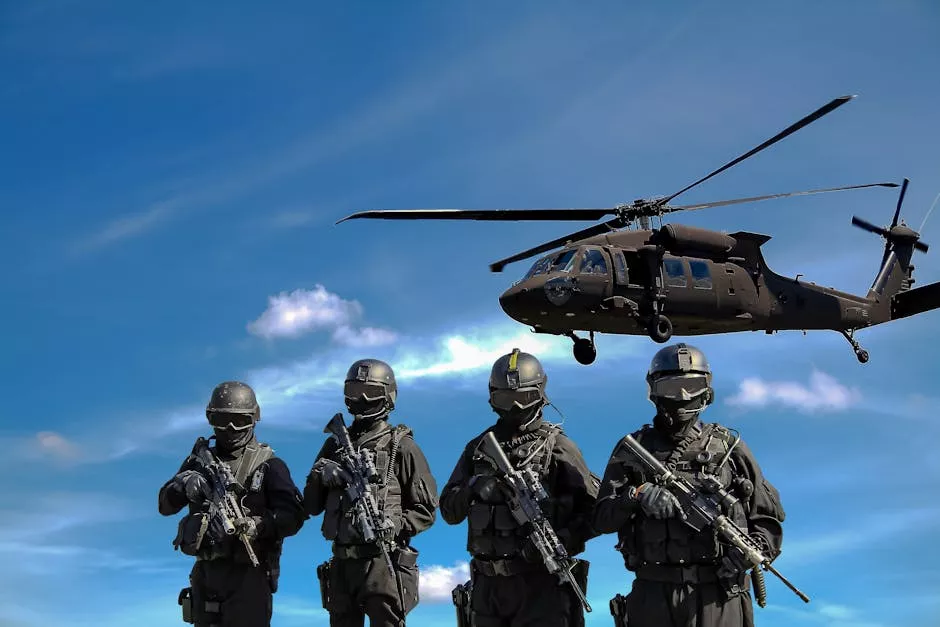
The escalating tension between the United States and Iran in the Indian Ocean region took a dramatic turn this week as Sri Lanka provided emergency assistance to 208 crew members of the Iranian navy vessel, IRIS Bushehr. This development followed the destruction of an Iranian frigate by a US submarine in the same waters.
Background to the Crisis
The recent events mark a significant escalation in naval tensions between the US and Iran. On Tuesday, a US submarine, reportedly acting on intelligence about Iranian maritime activities, launched a torpedo that led to the sinking of an Iranian frigate off the coast of Sri Lanka. The attack resulted in over 80 casualties, escalating an already volatile situation.
Following this incident, an urgent request was made by IRIS Bushehr to dock at Sri Lanka's Trincomalee port, citing an emergency need for assistance. Sri Lanka, maintaining its longstanding policy of neutrality and humanitarian assistance, responded positively to the Iranian request.
Sri Lanka's Role and International Response
Sri Lanka's swift action to evacuate the Iranian crew underscores its strategic position in the Indian Ocean and its foreign policy balancing act between regional and global powers. President Anura Kumara Dissanayake confirmed the decision to safely harbor the Iranian crew, emphasizing Sri Lanka's commitment to humanitarian aid and regional stability.
The international community closely watches these developments, as the US-Iran tensions threaten to involve other regional actors. The presence of global powers in the Indian Ocean has become a point of international diplomatic discussions, with countries like China and India paying close attention to these naval dynamics.
Historical Context
The maritime tensions are deeply rooted in the longstanding adversarial relationship between Washington and Tehran. Since the Iranian Revolution in 1979, US-Iran relations have been primarily antagonistic, characterized by economic sanctions, rhetorical confrontations, and occasional military skirmishes.
In recent years, the lifting of the Joint Comprehensive Plan of Action (JCPOA), commonly known as the Iran Nuclear Deal, by the US under the Trump administration added another layer of hostility, leading to increased Iranian military maneuvers and a more pronounced US naval presence in the region.
Geopolitical Implications
These events pose significant implications for global maritime security and regional geopolitics. The Indian Ocean, a critical sea route for world trade, especially in energy supplies, becomes a potential flashpoint for broader conflict, affecting nations far beyond the immediate region.
For Sri Lanka, the incident necessitates a careful diplomatic navigation. The island nation seeks to avoid being entangled in US-Iran hostilities while ensuring its sovereignty and security are not compromised. It also highlights Sri Lanka's strategic importance and the delicate balance it must maintain in international relations.
Potential Consequences
If tensions continue to escalate, there could be significant disruptions to international shipping and trade routes. The presence of naval forces from multiple countries in the Indian Ocean also raises the risk of miscalculations and confrontations.
Moreover, this situation invites geopolitical engagement from other global powers, potentially transforming the Indian Ocean arena into a multilateral theater of power struggles. This could influence not just regional peace but also expand to affect global energy prices and supply chain stability.
Why It Matters
The recent naval incidents between the US and Iran underscore the fragility of maritime peace and the complexities of geopolitics in the Indo-Pacific region. This unfolding crisis highlights the risks associated with military confrontations in vital international waters, where the interests and movements of world powers intersect.
The broader geopolitical significance includes potential disruptions in maritime trade routes, which are critical for global commerce. Increased military activities could prompt international interventions, recalibrating diplomatic relationships and alliances in the region. As global stakeholders watch closely, future developments might reshape naval policies and strategic partnerships across the Indo-Pacific.
For observers, the key lies in monitoring not only direct US-Iran interactions but how regional powers like China and India respond, as their roles could influence future peace or conflict.