Sri Lanka Arrests Ex-Intel Chief in Easter Attack Investigation
Suresh Sallay, former Sri Lankan intelligence chief, arrested for alleged involvement in 2019 Easter attacks.
Senior Geopolitical Analyst
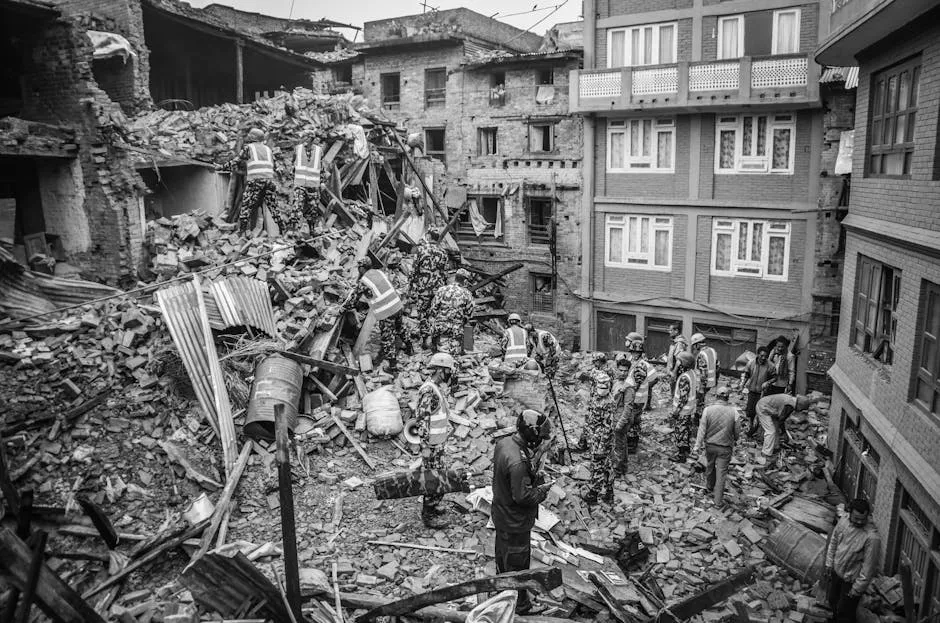
Sri Lanka’s troubled political and security landscape encountered a major development with the arrest of Suresh Sallay, the nation’s former intelligence chief. Investigators allege Sallay played a significant role in aiding and conspiring in the 2019 Easter Sunday attacks, one of the deadliest terrorist incidents in Sri Lanka’s history that left nearly 300 people dead and hundreds injured. This arrest marks a pivotal moment in the ongoing pursuit of justice for the victims and has significant implications for Sri Lanka’s domestic and international politics.
Background of the 2019 Easter Attacks
On April 21, 2019, a series of coordinated bombings targeted three churches and three luxury hotels in Colombo, Negombo, and Batticaloa, causing widespread devastation and panic. The Islamic State of Iraq and the Levant (ISIL) claimed responsibility, though the group’s actual involvement remains debated. Locally, the attacks were attributed to a little-known Islamist organization, the National Thowheeth Jama'ath (NTJ).
The ramifications of these attacks were profound, igniting fears within the multi-religious society and prompting a massive security overhaul. Sri Lanka's government was heavily criticized for intelligence failures, as warnings about potential attacks had reportedly been ignored.
Arrest of Suresh Sallay
Suresh Sallay, who served as the head of the State Intelligence Service (SIS) at the time, was arrested following a comprehensive investigation that linked him to a conspiracy and aiding the attackers. This development stems from testimonies and evidential trails that investigators claim demonstrate Sallay’s involvement, though details remain tightly kept due to national security concerns.
Reactions to the Arrest
The arrest has drawn mixed reactions across the political spectrum in Sri Lanka. Some see it as a long-overdue step toward accountability, given the attack's catastrophic impact. Others question the motives and timing, arguing it could distract from broader systemic failures within the intelligence community.
International observers are closely monitoring the events, given Sri Lanka’s strategic importance in the Indo-Pacific region and its historically volatile domestic politics.
Geopolitical Implications
Sri Lanka's handling of such a high-profile arrest will likely affect its international relations. Western governments and human rights organizations, which have previously criticized Sri Lanka's human rights record, will scrutinize the legal proceedings related to Sallay’s arrest.
Furthermore, the case revives concerns about the presence and influence of transnational terrorist networks in South Asia, urging regional cooperation in intelligence and counter-terrorism efforts.
Potential Consequences
The arrest of a high-ranking official like Sallay underscores challenges within Sri Lanka’s military and intelligence apparatus, prompting potential reforms aimed at strengthening institutional accountability. Additionally, it places pressure on the current government to ensure impartial and transparent legal processes.
Why It Matters
The arrest of Suresh Sallay highlights significant geopolitical undercurrents. It exposes the vulnerabilities within Sri Lanka's intelligence framework and adds pressure on the island nation to improve its counter-terrorism strategies. Not only does it raise concerns about state accountability, but it also affects Sri Lanka's diplomatic relationships, particularly with nations invested in the region's stability. Observers should watch how Sri Lanka addresses these threats internally while navigating international scrutiny, which could impact its foreign policy dynamics and regional alliances.