South Korean Ex-President Yoon Jailed for Life Over Coup Attempt
Yoon Suk Yeol's 2024 martial law attempt led to a life sentence, marking a pivotal moment for South Korea's democracy.
Defense & Security Editor
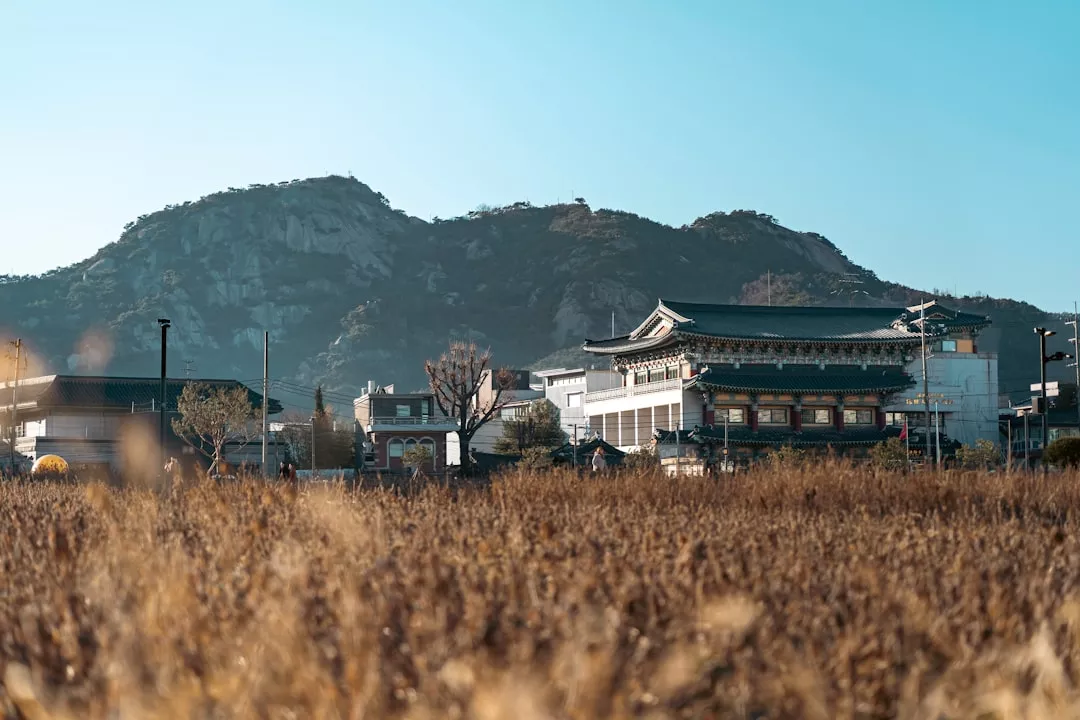
In a landmark ruling that sent shockwaves throughout the Asian geopolitical landscape, former South Korean President Yoon Suk Yeol was sentenced to life imprisonment for his attempt to impose martial law in December 2024. The Seoul District Court found that Yoon's desperate bid to cling to power had not only shattered norms but posed an existential threat to the nation's democracy.
Background and Context
The conviction of Yoon brings into focus South Korea's tumultuous political landscape over the past two decades. The country's democracy had been steadily consolidated since the transition from military rule in the late 1980s. However, the attempt by Yoon to establish martial law in 2024 harked back to darker times in South Korea's history, particularly reminiscent of the authoritarian regimes of Park Chung-hee and Chun Doo-hwan.
Yoon, who served as president from 2022 following a successful election campaign against then-incumbent Moon Jae-in's successor, faced decreasing approval ratings due to economic stagnation and perceived mismanagement of foreign relations, notably with North Korea and the United States. The political isolation and public unrest created a volatile environment around his presidency.
Legal and Judicial Proceedings
The verdict was delivered after a lengthy trial that captivated the nation and the international community alike. The prosecution presented overwhelming evidence showcasing Yoon's detailed plans to deploy military forces across critical cities, utilizing the pretext of quelling civil disturbances and safeguarding national security.
The court reported that various attempts were made to subvert democratic institutions, including the coercion of military commanders and manipulation of media to propagate the legitimacy of these authoritarian measures. In a stern reprimand, the presiding judge underscored the need for accountability, citing the preservation of democratic values as fundamental to national and regional stability.
Regional Implications
Yoon's conviction not only serves as a cautionary tale within South Korea but also casts long shadows in the broader Indo-Pacific region. Analysts suggest that Yoon's actions could have emboldened other leaders in the region to undermine democratic norms under the guise of maintaining order. Consequently, his life sentence may serve as a deterrent, underscoring the international community's intolerance for anti-democratic coups.
The response from neighboring countries has been mixed. Japan and Australia have praised the judicial process, viewing it as a commitment to democratic principles. Meanwhile, North Korea has remained conspicuously silent, avoiding any formal commentary in state media.
Domestic Repercussions
Within South Korea, the ruling has sparked extensive public debate about the durability of democratic institutions. Civic groups and opposition parties have seized upon the verdict to call for further reforms to prevent potential future abuses of power. The case has also galvanized youth movements, fostering a renewed emphasis on political engagement and vigilance.
Current President Lee Jae-myung, who took office after Yoon's impeachment, expressed relief at the ruling, emphasizing the need for unity and resilience within the democratic framework. The administration faces the dual challenge of ensuring stability while addressing the underlying socio-economic issues that enabled such political instability.
Long-term Geopolitical Impact
The implications of this verdict extend beyond South Korea's borders. South Korea's steadfastness in upholding democratic principles could enhance its standing on the global stage, potentially influencing diplomatic and security strategies within multilateral organizations like the United Nations and alliances such as the Quad and AUKUS.
Why It Matters
Yoon Suk Yeol's sentencing matters far beyond the confines of South Korea. It sends a potent message to autocratic leaders who might ponder similar actions that the international community prioritizes the sanctity of democracy. The life imprisonment verdict serves as a bulwark against the erosion of democratic institutions, which are under pressure worldwide. For regional stability, particularly with the ongoing engagements in the Indo-Pacific by superpowers like the United States and China, maintaining democratic governance is crucial. Observers should watch how this ruling might embolden pro-democracy movements and affect future regional power dynamics, influencing everything from military alliances to economic partnerships.