South Africans Lured into Russia's War: A Battle on Foreign Soil
South Africans allege coercion into Ukraine's conflict, facing harsher front-line conditions. Explore the geopolitical impact of Africa's involvement.
Middle East & Diplomacy Specialist
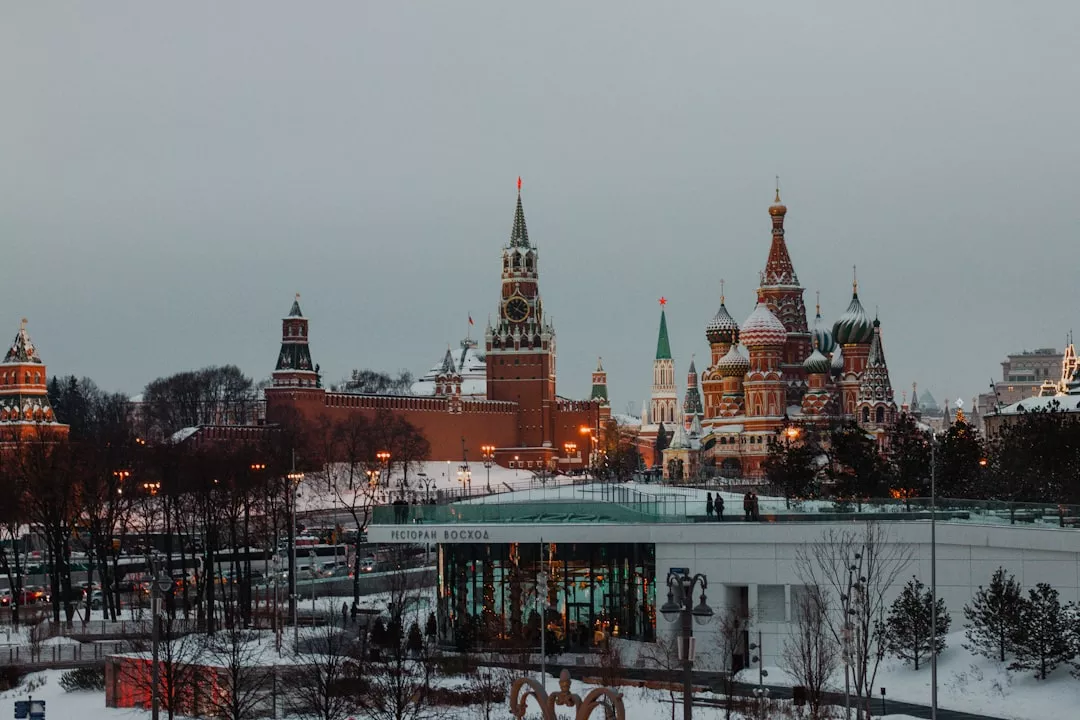
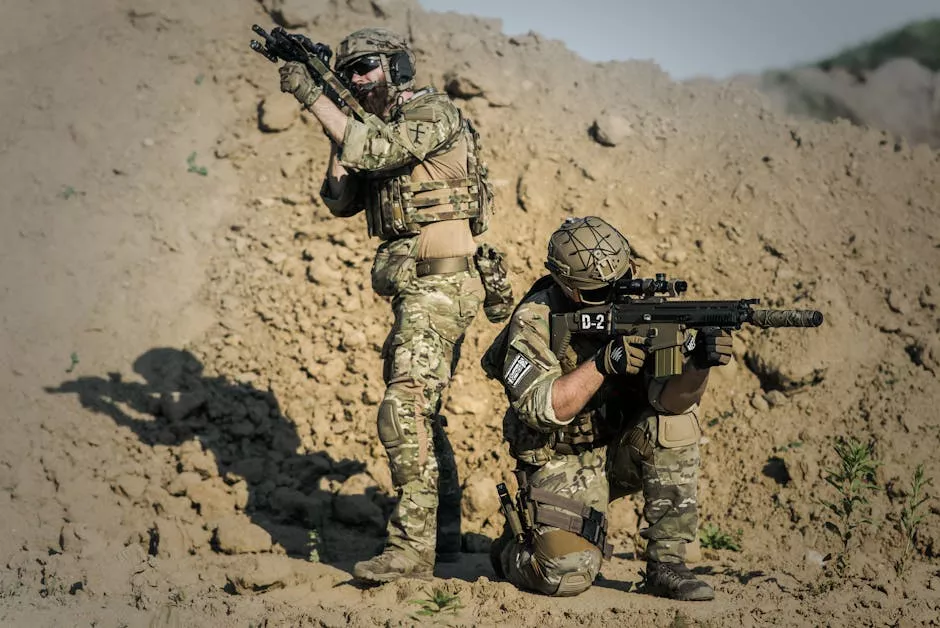
The outbreak of war in Ukraine has sent ripples across the globe, compelling nations to recalibrate their foreign and domestic policies. However, the conflict has also ensnared individuals from unexpected corners of the world, such as South Africa. Reports have emerged that young South African men were lured or coerced into fighting alongside Russian forces in Ukraine, where they faced inhuman and discriminatory treatment.
The Luring of South African Fighters
Many young men reportedly left South Africa under the pretext of lucrative employment opportunities, only to find themselves on the front lines of a war not their own. Families in South Africa are now speaking out, claiming their children were 'sold off' into a conflict more than 10,000 kilometers away. This situation raises critical questions about the vulnerability of young Africans to international recruitment networks that exploit poverty and lack of opportunities.
Historical Context: Mercenaries and Global Conflicts
Mercenary activities have long shadowed African countries. In the 1960s and 70s, during the post-colonial era, many ex-soldiers were recruited for conflicts across volatile regions in Africa and beyond. The unfolding scenario with South African fighters bears echoes of this troubled past but transposes it onto a modern and global conflict where ideological and geopolitical stakes are significantly complex.
Treatment of African Fighters
Reports highlight that African combatants were subjected to worse conditions than their non-African counterparts. They allegedly received minimal training and inadequate equipment, making them vulnerable in combat zones. The harrowing tales from the frontlines underscore an entrenched racial and hierarchical divide that continues to manifest even in the 21st-century battlefield.
Geopolitical Implications
The presence of African mercenaries in Ukraine not only adds a layer of complexity to the already intricate global perspectives on the Russia-Ukraine conflict but also challenges Africa's position in international diplomacy. African nations might find themselves at a diplomatic crossroads, balancing relations with global powers while protecting their citizens from being drawn into such conflicts illegally or under false pretenses.
This recruitment saga sheds a stark light on Russia's expansive reach and tactics in sustaining its war efforts. It also prompts European and international bodies to reassess their diplomatic strategies to address not just traditional warfare but these indirect means of conflict perpetration.
A Call for Policy Reform and Protection
There is a growing call for African governments and international organizations to tighten legislation and oversight on recruitment practices. Regulating the agencies that facilitate these overseas opportunities is essential to safeguard vulnerable populations from exploitation. Furthermore, it presents a challenge to global human rights bodies to monitor and address abuses that occur under the guise of international employment.
Why It Matters
The deployment of South Africans in Russia's campaign in Ukraine illustrates a disturbing trend where economically disadvantaged individuals from developing regions are manipulated into conflicts that do not concern them directly. This issue highlights the broader geopolitical maneuverings where major powers potentially engage in proxy wars, drawing in unwitting participants from the global south. The involvement of Africans in such conflicts can strain international relations for involved countries and may lead to tension in diplomatic ties as allegations of coercion and mistreatment come to light.
Going forward, close monitoring by international watchdogs and cooperation with African nations to build resilient economic and social structures could mitigate such exploitation. Countries that emerged as hubs for this recruitment may also merit diplomatic dialogues to prevent recurrence and repair international reputations. Stakeholders and readers must stay vigilant and informed about such developments that inadvertently draw innocent civilians into global power struggles.