South Africa Thanks Putin for Return of Nationals Lured to Ukraine
South African nationals lured into the Ukraine conflict have been successfully repatriated with Russia's assistance, indicating complex geopolitical ties.
Middle East & Diplomacy Specialist
In a significant diplomatic development, South Africa has successfully secured the release of 11 of its nationals who were allegedly deceived into participating in the ongoing Russia-Ukraine conflict. President Cyril Ramaphosa extended his gratitude to Russian President Vladimir Putin for his active role in facilitating the safe return of these citizens.
Background and Context
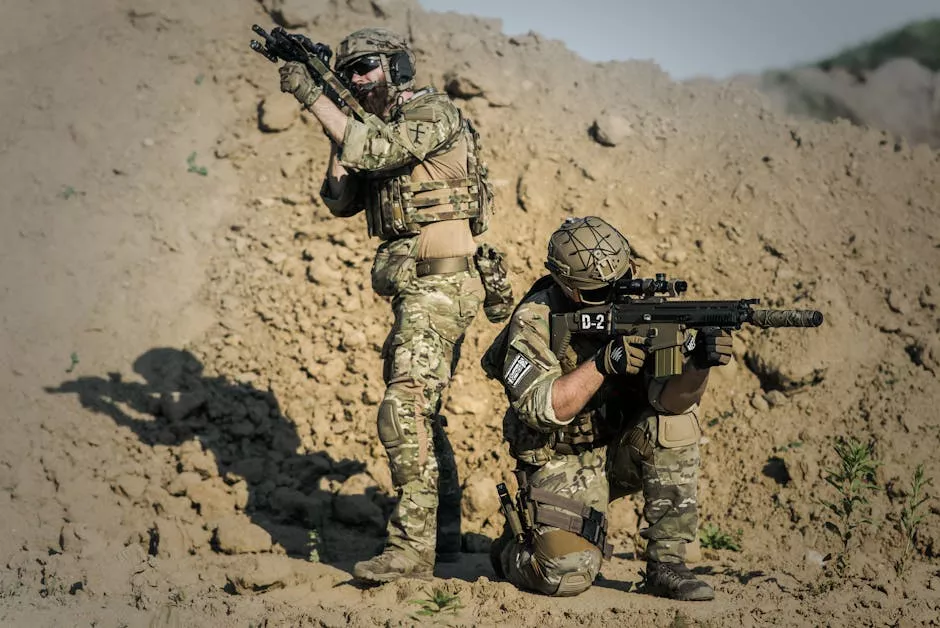
The Russia-Ukraine war, which began in 2014 with Russia's annexation of Crimea and intensified in 2022 with a full-scale invasion, has attracted international attention. Beyond the immediate regional impact, the conflict has seen individuals from various parts of the world, including Africa, being recruited under false pretenses. These recruits are often misled into believing they are engaging in benign activities, only to find themselves embroiled in a violent conflict.
South Africa's Diplomatic Maneuver
The timely intervention by the South African government underscores its commitment to protecting its citizens abroad. It also highlights the complex ties between South Africa and Russia, nations with a shared history of anti-colonial solidarity and political cooperation during the Cold War.
Russia's influence in Africa has been growing, with numerous African states engaging in military and economic partnerships. This dynamic facilitated South Africa's successful negotiations, demonstrating that African countries can leverage global connections to protect their humanitarian interests.
Military Updates in Eastern DR Congo
In a separate yet equally pressing development, reports have emerged that the military spokesperson for the M23 rebel group in eastern DR Congo was killed in an army drone strike. The M23 group, active in the conflict-ridden eastern regions, has been a persistent source of instability. The government’s tactical success reflects the increased reliance on drone warfare, changing the landscape of military engagements in the region.
The Humanitarian Catastrophe in Somalia
Meanwhile, Somalia is on the brink of a catastrophic famine, with more than six million people facing severe food shortages. The ongoing drought, exacerbated by climate change and regional conflicts, poses a dire threat to the population. Humanitarian organizations are urging for increased international aid to prevent a full-blown disaster.
These concurrent crises in Africa—ranging from conflict to humanitarian emergencies—highlight the complex tapestry of geopolitical and socio-economic challenges the continent faces. Each event, from the release of the South Africans to the climatic adversities in Somalia, emphasizes the need for comprehensive international engagement and support.
South Africa’s diplomatic success could serve as a model for other nations seeking to extricate their citizens from unintended entanglements in foreign conflicts. Further, the use of emerging technologies such as drones in conflict resolution in DR Congo might influence future military strategies across the continent.
Why It Matters
Why It Matters
The successful return of South African nationals from the Ukrainian conflict zone underscores the intricate web of geopolitical relations and strategic alliances that define modern diplomacy. This event points to Russia's expansive influence in Africa and the ability of African states like South Africa to utilize diplomatic influence for humanitarian gains.
Furthermore, the developments in eastern DR Congo and Somalia highlight ongoing security and humanitarian challenges in Africa. These situations call for sustained international focus, particularly in tackling root causes such as political instability and climate change. Observers should monitor how these regional dynamics influence global geopolitics and assess the role of external powers in these engagements.