Söder's Call for Compulsory Military Service Stirs German Debate
Bavaria's premier Markus Söder reignites debate on mandatory military service. Chancellor Merz addresses U.S. shooting amid political tensions.
Middle East & Diplomacy Specialist
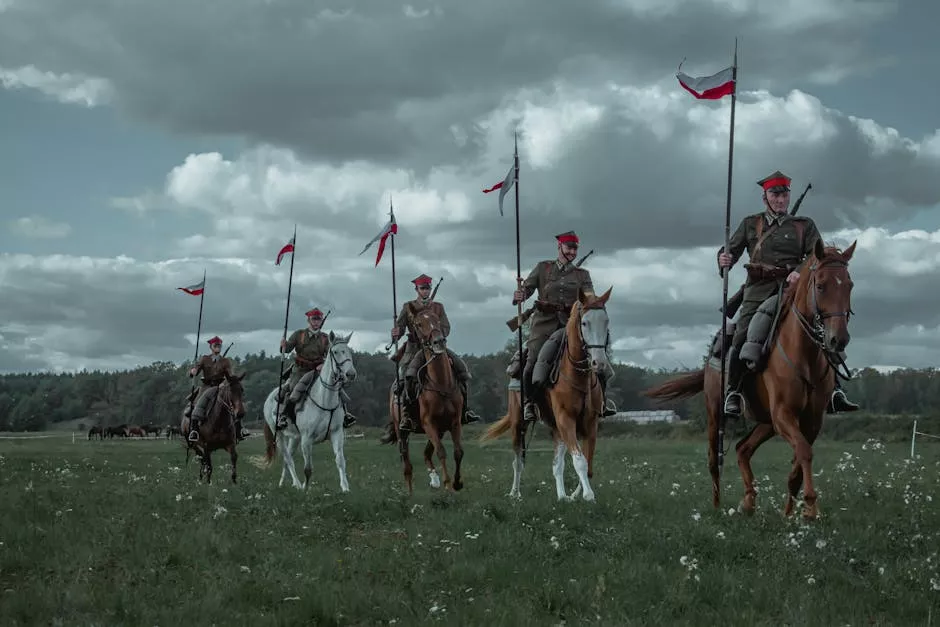
Amidst the unfolding complexities of Germany's security landscape, Bavarian state premier Markus Söder has spurred a significant debate by advocating for the reinstatement of compulsory military service. Söder's proposal comes in stark contrast to the German federal government's current strategy, which favors a voluntary path for military involvement.
Background of Military Service in Germany
Germany ended conscription in 2011, a move aligned with broader European trends towards professionalizing military forces. Since then, the Bundeswehr—the German armed forces—has relied on voluntary enlistment to maintain its ranks. The decision was initially praised for modernizing the military and reflecting post-Cold War realities, but recent geopolitical tensions have reignited discussions around national defense strategies.
With Russia's assertive foreign policies, exemplified by the annexation of Crimea and interventions in Ukraine, European nations are reassessing their defense commitments. Söder's call for mandatory service highlights a growing concern over whether Germany's current voluntary system can adequately respond to these contemporary challenges.
The Domestic Political Response
Söder's proposal has garnered mixed reactions within Germany. Some political factions, particularly those focused on defense and national security, see merit in mandatory service as a means to bolster the country's defense readiness. Others, emphasizing individual freedom and the cost implications of conscription, argue for the maintenance of a professional force.
Chancellor Friedrich Merz, while concentrating on other urgent matters such as condemning the recent shooting in Washington, D.C., has yet to publicly weigh in on Söder's proposition. Merz's stance could play a pivotal role in shaping the national discourse surrounding this issue, as he balances domestic security concerns and pressing international relations.
European Implications and NATO Dynamics
Germany's re-evaluation of its military conscription policy is not occurring in a vacuum. As a key NATO member, its military strategies hold broader implications for the alliance's collective defense posture. Mandatory service could potentially augment Germany's military contributions, aligning with demands for increased European defense investment voiced by the United States and recent NATO summits.
Furthermore, Europe faces evolving threats, from cyber-attacks to misinformation campaigns, requiring a robust and adaptable military response. A reinstituted conscription could serve not only as a defense measure but also as a tool for youth engagement and national unity amid rising socio-political divides.
Economic and Social Considerations
Beyond its defense implications, the reinstatement of conscription carries significant economic and social considerations. Implementing such a policy would require substantial investment in training infrastructure, resources, and personnel management. These logistical challenges may burden an economy simultaneously navigating energy transitions and the aftershocks of pandemic-induced disruptions.
Socially, compulsory service could provide young Germans with valuable skills and experiences, potentially fostering a sense of civic duty and national cohesion. However, critics argue that alternatives like civilian service programs may achieve similar societal benefits without coercion.
Why It Matters
Why It Matters
Markus Söder's advocacy for compulsory military service marks a pivotal moment in Germany's defense policy discourse. As Europe faces mounting security challenges, including geopolitical tensions with Russia and the need for a coordinated defense strategy within NATO, Germany's approach will shape regional stability. Reinstating mandatory service could reflect a shift towards more assertive military postures, impacting European defense dynamics and potentially encouraging similar policies across the continent. Observers should watch for Chancellor Merz's response and potential shifts in military strategy that balance traditional defense needs with modern security demands, all while considering the socioeconomic impacts on German society.