Six Decades of War on Drugs: What Has Worked and What Hasn't
Despite decades of effort and immense resources, the war on drugs continues as new, more violent groups emerge.
International Relations Correspondent
Introduction
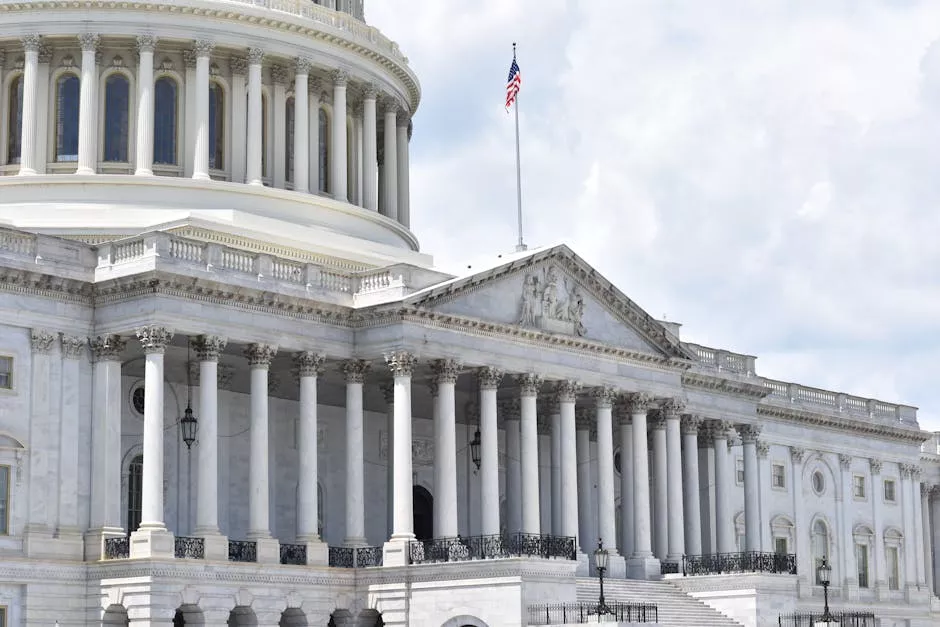
For over sixty years, the global War on Drugs has been a central focus of international law enforcement and policy. Spearheaded by the United States, this initiative has aimed to dismantle drug cartels, reduce drug trafficking, and ultimately curb drug use. Despite extensive efforts, including the expenditure of vast sums and sacrificial human costs, the trade in illicit drugs persists, with evolving dynamics that render each new attempt at containment more complex than the last.
Historical Context
The War on Drugs formally commenced in the 1970s when U.S. President Richard Nixon declared drug abuse as "public enemy number one." Since then, various administrations have perpetuated this stance, escalating from policy-driven approaches to military-style interventions. International partners have often mirrored these tactics, from Colombia’s battle with Pablo Escobar in the 1980s and 90s to Mexico’s ongoing struggle against the Sinaloa and Jalisco New Generation cartels.
Regional Perspectives
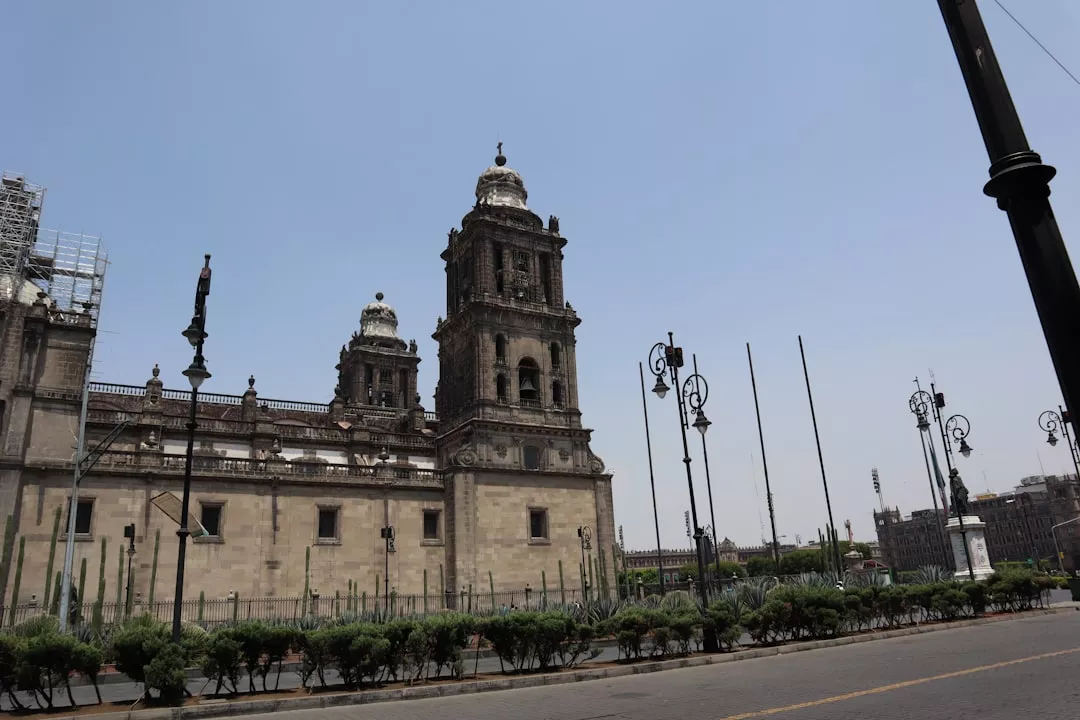
Different regions have faced unique challenges and contributed distinct perspectives to the global strategy against drugs. In Latin America, nations like Colombia and Mexico have borne the brunt of cartel violence and political corruption seeded by drug money. Meanwhile, in Asia, the Golden Triangle—encompassing parts of Thailand, Laos, and Myanmar—remains a significant hub for opium and heroin production.
Current Strategies and Their Effectiveness
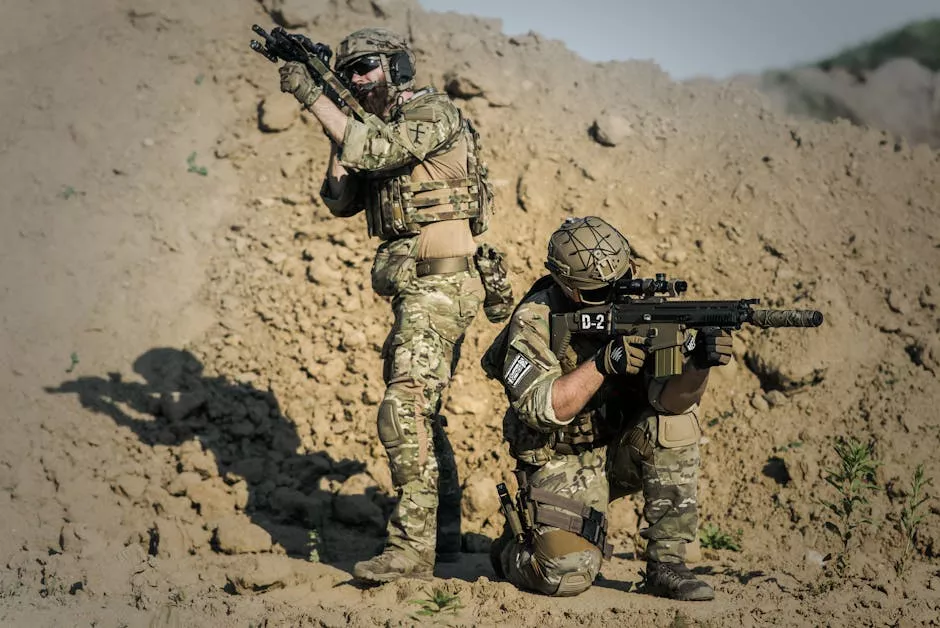
Recent strategies have varied from militarized efforts, such as the deployment of security forces and intelligence-sharing initiatives, to harm reduction strategies like decriminalization and health-centered approaches. Portugal's decriminalization model, for instance, has provided valuable insights into alternative methods, showing improved social health outcomes without increasing the rate of drug-related crimes.
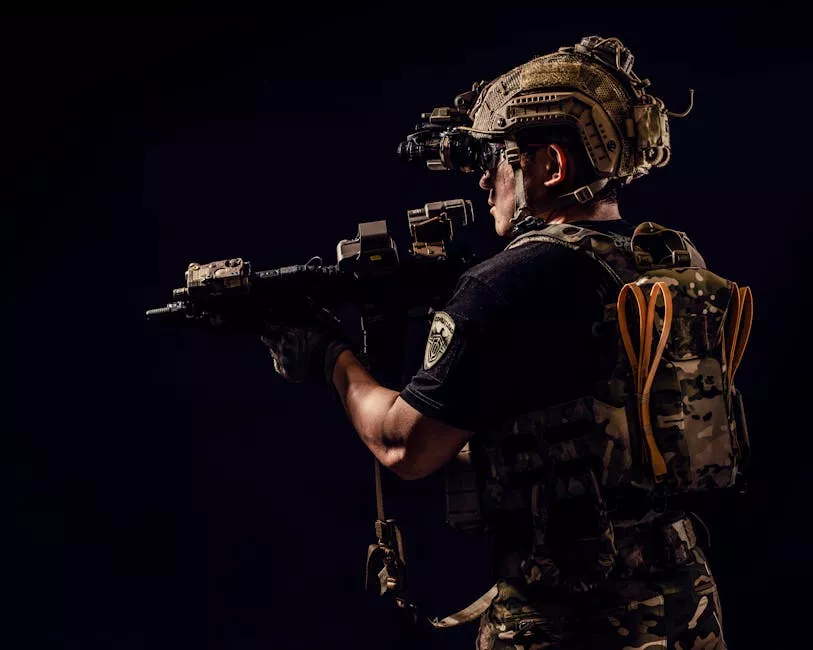
However, as some drug lords are captured or killed, others rise with greater ferocity. The global supply chain proves highly adaptable, with synthetic drugs like fentanyl further complicating control efforts due to their potency and relative ease of production.
Geopolitical Implications
The persistence of the drug trade has far-reaching geopolitical implications. It challenges national sovereignties, complicates diplomatic relations, particularly when involving extradition disputes, and affects global economic stability through illicit financial flows. Moreover, the drug war has increasingly intersected with issues of immigration and homeland security, exemplifying the complex, multifaceted nature of this enduring conflict.
Ultimately, the question remains: what will it take to finally win the war on drugs? Solutions require a more holistic view, integrating socio-economic reforms with innovative policing methods, international cooperation, and a reduction in demand through effective public health campaigns.
Why It Matters
Why It Matters
The sustained and seemingly intractable War on Drugs signifies more than a chronic policy failure; it reflects deep systemic global issues that transcend borders. The rise of more violent drug trafficking organizations highlights the limitations of traditional approaches and underscores the need for more sophisticated global strategies. The drug trade's pervasiveness into aspects of politics, security, and economics necessitates a re-evaluation of priorities for governments worldwide. As synthetic drugs become more prevalent, fostering international cooperation and adopting adaptable strategies that consider the root socioeconomic factors of drug production and consumption becomes critical. Observers should watch for shifts in policy, particularly the adoption of evidence-based reformative measures that could signal a new era in this enduring fight.