Silence Greets Russian Flag as Ukraine Applauded at Winter Paralympics
The Russian flag's presence met silence, while Ukraine received applause at the Winter Paralympics opening.
Senior Geopolitical Analyst
Russian Flag's Muted Reception Highlights Political Tensions at Winter Paralympics
In a somber opening to the Winter Paralympic Games, held in the iconic Arena di Verona, the Russian flag was paradoxically both present and unwelcomed. This marked its first official appearance since Russia’s contentious invasion of Ukraine began, casting a long shadow over the international event.
A Split Recognition
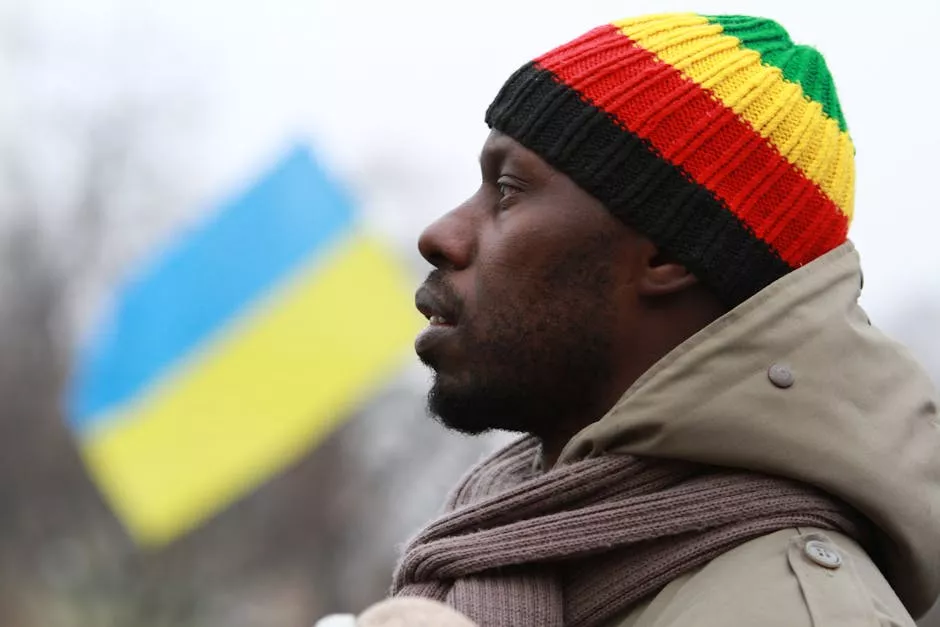
As the Russian flag made its entrance, it was notable primarily for the absence of applause, a silent yet pointed reminder of the deep geopolitical divides that have cast clouds over the world of international sports. The solemnity of the occasion contrasted vividly with the enthusiastic applause that rose from the amphitheater for the Ukrainian flag bearers, whose current plight has gathered significant global sympathy and support.
The ceremony blended dance, music, and visual arts in a cohesive narrative celebrating the dignified spirit of the Paralympic movement. Yet, beyond this carefully choreographed celebration lay a palpable undercurrent of political tension, highlighted by the stark reception difference between the Russian and Ukrainian representations.
Geopolitical Overtones in Sports
This stark dichotomy in receptions further underscores the inseparability of international sports and geopolitics. Sporting arenas have often been stages for political gestures and statements, and the 2026 Winter Paralympics exemplify this trend. By having both flags displayed, the event inadvertently served as a platform underscoring ongoing global conflicts, despite the conventional understanding of sports as apolitical zones meant to foster unity and peace.
Verona’s welcoming of global athletes occurs against a backdrop of diplomatic tensions and ongoing conflict in Eastern Europe. The Russian Federation's actions in Ukraine have not only reshaped national boundaries but also international alliances, affecting all spheres, including global sporting events.
Historical Context and Current Climate
The last time the Russian flag flew prominently at significant international gatherings like the Paralympics, it was before its 2022 military actions. The results had been swift: sports federations around the world moved to exclude Russian athletes, a move seen as both punitive and preventive, aimed at discouraging further aggressive expansions.
Seeing the flag back on display marks not a reconciliation but an acknowledgment of a complex geopolitical reality. Russia remains an influential state whose actions bear significant global implications. Its silent reception here could be seen as a barometer for wider international sentiments toward its policies.
Implications for the Paralympic Movement
For the Paralympic movement, which prides itself on inclusivity and empowerment, these games are a test. Balancing its principles with the geopolitical realties reflects the broader challenges faced by international organizations navigating a divided world.
Also of note was the absence of Iran’s sole athlete, trapped in a web of geopolitical dangers barring his travel, presenting a stark highlight on how international conflicts transcend mere borders to impact personal dreams and ambitions in the domain of sports and beyond.
Why It Matters
Why It Matters
This year's Winter Paralympics showcase the ongoing struggle within international arenas to maintain neutrality amidst deep geostrategic conflicts. The silent reception of the Russian flag reflects broader geopolitical currents stemming from Russia's actions in Ukraine, with wide-ranging implications on diplomatic and cultural exchanges. The broader significance lies in sports illustrating the global community's stance on conflict and aggression, and thereby serving as a soft power battleground. As global spectators, readers should watch how these subtle gestures in international events might influence formal diplomatic dialogues and policies. The continued intersection of sports and politics is an evolving narrative crucial for understanding international relations in our increasingly interconnected world.