Controversial Proposal: Senegal PM Targets LGBTQ Rights
Senegal's PM proposes harsher penalties for same-sex acts, sparking regional and international tensions.
Middle East & Diplomacy Specialist
Senegal's New Legislative Proposal: A Step Back for LGBTQ Rights
Senegal's Prime Minister has recently proposed a controversial legislative change that has significant implications for human rights within the country and the broader region. The new legislation aims to double prison sentences for individuals engaged in same-sex relationships, a move that intensifies the already repressive legal environment for the LGBTQ community.
Historical Context of LGBTQ Rights in Senegal
Senegal, a predominantly Muslim country, has long maintained stringent laws against homosexuality. The legal framework criminalizing same-sex relations is not new; however, the heightened punitive measures proposed indicate a shift towards even harsher legislative norms. This move comes amidst a backdrop where human rights organizations have consistently advocated for decriminalization, arguing for equality and protection of minority groups.
The existing legal system provides for a five-year prison sentence for individuals convicted of same-sex acts. The proposed legislation seeks to double this sanction, directly impacting the lives of countless individuals within the LGBTQ community. Public perception around this issue remains complex, interwoven with cultural, religious, and historical sentiments that have historically marginalized these communities.
Regional Perspectives and Implications
Across Africa, a mosaic of laws exists regarding LGBTQ rights, with a significant number of nations maintaining prohibitive legal standards against same-sex relations. The move by Senegal's leadership could resonate within neighboring countries, potentially influencing legal and social attitudes across the West African region. Such legislative changes echo past occurrences where policy shifts in one nation created ripple effects, reinforcing conservative norms across borders.
Senegal's proposed law could also impact its international relations, particularly with Western nations advocating for human rights and inclusivity. This legislation raises concerns among international watchdogs and could lead to intensified criticism, sanctions, or adjustments in diplomatic engagements.
Broader Geopolitical Implications
Geopolitically, Senegal has been considered a stable democracy in West Africa, engaging actively in diplomatic discussions and regional cooperation. This controversial proposal puts that reputation at risk. It could alter how Senegal is perceived globally, especially by entities where human rights are integral to diplomatic negotiations.
Moreover, the initiative could affect Senegal's participation in international forums related to human rights. Countries are often pressured in such environments to uphold common standards that champion equality and non-discrimination. The decision to enforce stricter penalties might isolate Senegal from allies, influencing trade, aid, and collaborative projects.
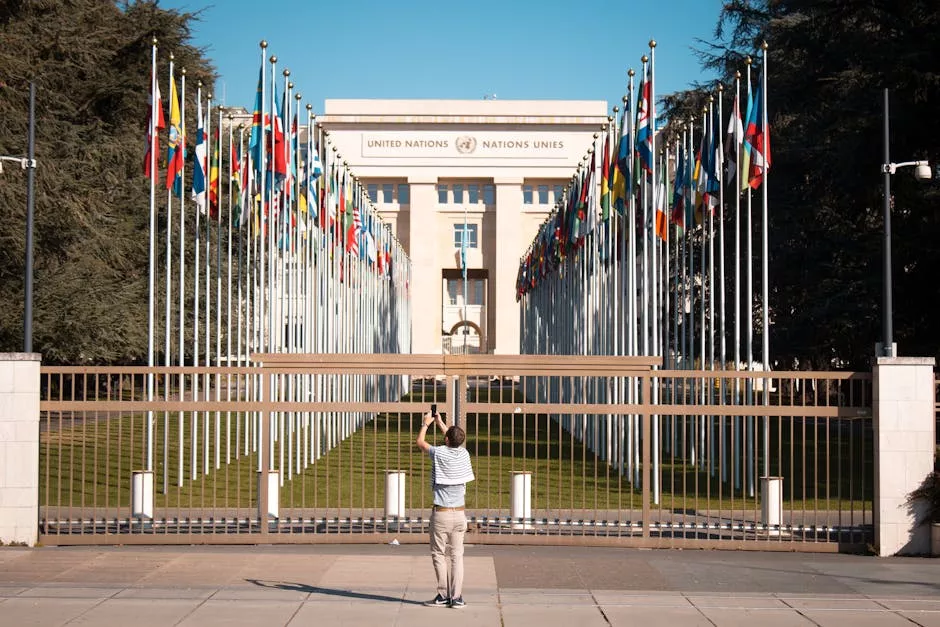
The contentiously debated proposal stands as a critical issue, challenging lawmakers and activists to balance indigenous cultural laws with universal human rights statutes endorsed by supranational organizations like the United Nations.
Why It Matters
Why It Matters
This legislative proposal is significant as it places Senegal at the crossroads between domestic policy-making and international diplomatic repercussions. Increasing punitive measures for same-sex relationships threatens to regress human rights achievements, potentially isolating Senegal from crucial international partnerships that prioritize inclusivity. The global community will watch closely to see if domestic pressure and international advocacy can influence a reversal or moderation of this proposal. Such legal frameworks can set precedents and further entrench LGBTQ discrimination across other African states, highlighting the global struggle for equal rights.