Russia's May 9 Victory Parade: Scaling Back Amid Tensions
Russia's May 9 Victory Day Parade is significantly scaled back, citing security concerns related to Ukraine's ongoing conflict.
Africa & Global Economy Correspondent
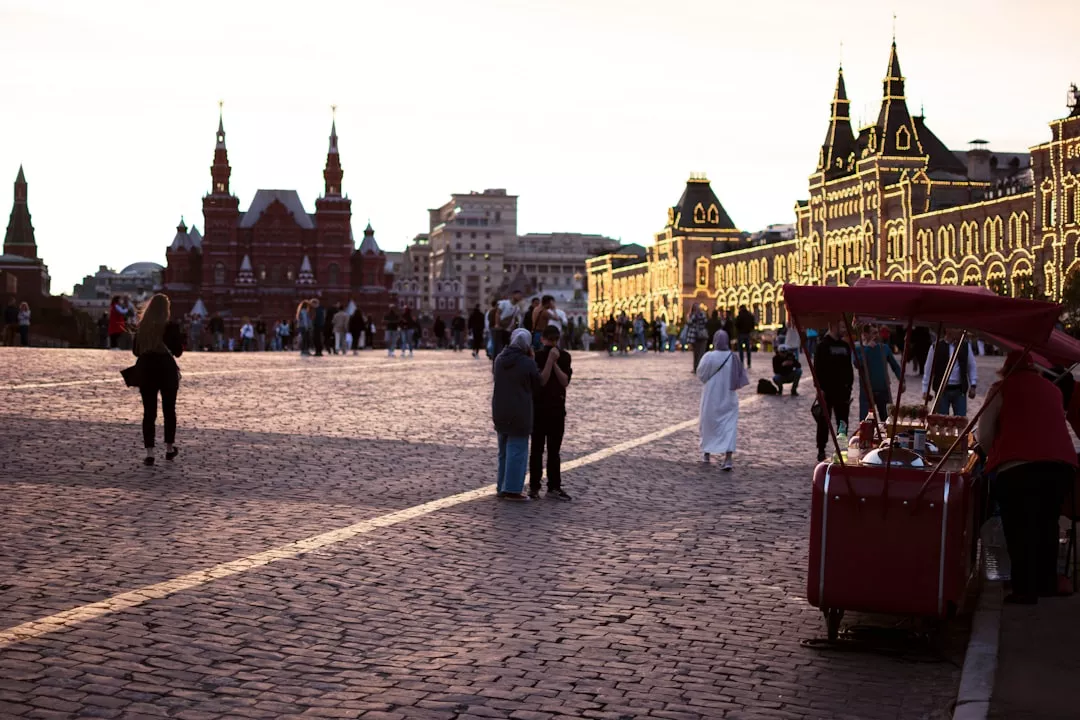
The annual May 9 Victory Day parade in Russia, usually marked by a grand display of military prowess and national pride, will take on a noticeably different tone this year, with the scale drastically reduced, especially in Moscow. Traditionally, this event serves as a potent reminder of the Soviet Union's victory over Nazi Germany in 1945, celebrated with fanfare, military pageantry, and patriotic zeal across the country.
Historical Context and Significance
The Victory Day parade is one of Russia's most important national holidays, reflecting not only on historical victory but also serving as a demonstration of military strength and modern-day relevance in global geopolitics. The celebrations often involve showcasing advanced military technology and flyovers, witnessed by international dignitaries and the public alike.
The Decision to Scale Back
This year, however, the Kremlin has decided to scale back the parade in Moscow and cancel similar events in various regions. The official explanation centers around security concerns. Russia has attributed these concerns to the ongoing conflict in Ukraine, which has seen increasing tensions and sporadic escalations along the borders.
While such measures might appear as a prudent reaction to immediate security threats, they also resonate with a broader narrative of instability that Russia is confronting externally and internally. Not only does this decision reflect the Kremlin's caution but it also underlines the evolving nature of Russian domestic and foreign policy priorities.
Geopolitical Implications
The decision to modify the scope of the celebrations holds significant geopolitical weight. It suggests Russia’s acknowledgment of vulnerabilities by visibly curbing its traditional exhibition of power. Moreover, this move could implicate Russia's strategy and posture in the ongoing conflict with Ukraine. The Kremlin has consistently projected military might as part of its foreign policy arsenal, aimed at bolstering national pride and influence on the international stage.
Internal and External Reactions
On the international front, observers and geopolitical analysts are likely to interpret this scaling back as a subtle sign of Russia's military being stretched thin due to the enduring conflict, raising questions about resources and strategic patience. Internally, however, this move could either stir public debate over national security handling or bolster support for the government’s cautious approach.
Among Russia's allies and adversaries, the decision might be seen as a reflection of Russia's current diplomatic and military calculations. For Europe and the U.S., this adjustment could be perceived as an opportunity to reassess their own strategies concerning Russia, especially in reinforcing eastern European defenses and supporting Ukraine's resilience.
Regional Perspectives
This strategic downscaling is likely to resonate most in Europe, particularly among nations closely watching the developments in Ukraine. NATO members, especially those sharing borders with Russia or Ukraine, might view this as a critical moment to consolidate their geopolitical strategies in anticipation of varied scenarios that could unfold in the backdrop of Russia's actions.
Ukraine, directly involved and affected by the ongoing conflict, might interpret this as indirect evidence of the effectiveness of its resistance, possibly recalibrating its diplomatic approaches in engaging with Western allies and securing commitments for further assistance.
The impact on global audiences ties into a larger narrative of fluctuating global alignments and the current delicacy of international peace. The parade, therefore, becomes a barometer of Russian stability and global strategy, as perceived by both allies and adversaries.
Why It Matters
Why It Matters: The scaled-back May 9 Victory Parade in Russia signifies more than just a temporary shift in national celebrations; it highlights the palpable strains on Russia due to the ongoing conflict in Ukraine. This decision could signal shifts in Russian military strategy and resource allocation, pointing to the broader geopolitical tensions at play. Globally, allies and adversaries alike will monitor the implications this has on regional stability and military engagements. Readers should note this cautious approach and consider its impact on long-term strategic balances in Europe and beyond. Observing how Russia's neighboring countries and NATO respond to these developments will be crucial in understanding future security and diplomatic dynamics.