Russia's Child Deportations: A Crime Against Humanity?
The UN accuses Russia of crimes against humanity for forcibly deporting Ukrainian children, implicating Putin directly.
Middle East & Diplomacy Specialist
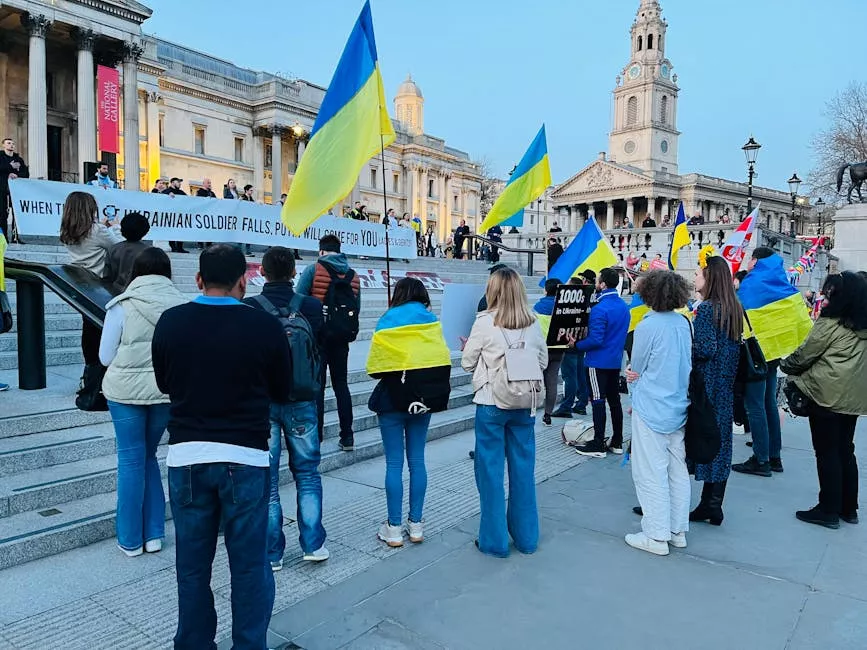
Russia's Disturbing Actions: A Closer Look
The ongoing conflict between Russia and Ukraine has taken a shocking and deeply troubling turn, as recent reports from the United Nations (UN) declare that Russia's forced deportation of Ukrainian children constitutes a crime against humanity. The UN’s assertions have highlighted Vladimir Putin’s direct involvement from the outset, an accusation that adds to the numerous geopolitical tensions already surrounding the Russo-Ukrainian war.
Historical Context
The forced deportation of children during wartime is an especially heinous offense, drawing historical comparisons to similar acts committed during World War II and other conflicts in history. The forcible relocation of children not only violates international human rights laws but also deeply impacts the cultural and familial structures within affected communities.
In Ukraine, a nation already burdened by the strains of war, the loss of its younger generation further exacerbates existing societal traumas. Historically, children deported in conflicts often face cultural eradication as they are assimilated into foreign societies, losing connection with their roots. The UN’s focus on these actions as a crime against humanity marks a significant moment of accountability in ongoing global dialogues regarding war crimes.
Regional Perspectives and Reactions
European nations, particularly those in close proximity to Ukraine, have expressed their alarm and condemnation. The European Union has issued statements supporting the UN’s findings, asserting that such actions are intolerable in modern society. Poland, a neighboring country and a staunch supporter of Ukraine, has amplified these concerns, calling for international intervention and decisive action against Russia.
Meanwhile, within Ukraine, there is a palpable sense of distress and urgency. Ukrainian officials have continuously called for global support to end the conflict and protect their future generations. Ukrainian President Volodymyr Zelenskyy has repeatedly raised the issue in international forums, imploring for a stronger response to Russian aggression and human rights violations.
Geopolitical Implications
The allegations against Russia come at a tense time in international relations, with the potential to further isolate Russia on the global stage. By being implicated in crimes against humanity, Russia faces increased scrutiny from international bodies and potential sanctions, which could further debilitate its already strained economy.
The implications of these allegations could be far-reaching, potentially affecting Russia's diplomatic relationships with longstanding allies. Countries traditionally allied with Russia may face pressure to reevaluate their associations and condemn these actions, or risk being seen as complacent in humanitarian abuses.
The Role of International Law and Organizations
International law, particularly through the UN and the International Criminal Court, plays a critical role in addressing such egregious violations of human rights. The UN's position elevates the global call for accountability and justice, challenging nations worldwide to step up in defense of vulnerable populations.
The involvement of international organizations increases pressure on Russia to account for its actions within Ukraine’s borders. This could lead to heightened demands for international observers and humanitarian interventions to protect Ukrainian civilians, especially children.
Why It Matters
Why It Matters
Russia's deportation of Ukrainian children is a significant event with broad geopolitical repercussions. It is not just a regional conflict escalation but an alarming violation of international norms that challenges the global community's moral and ethical standards. If unchecked, these actions may set a dangerous precedent for how conflicts can exploit vulnerable populations. Globally, this issue necessitates a stronger international coalition to enforce humanitarian law and prevent future atrocities. It emphasizes the urgent need for diplomatic solutions and reinforces the importance of accountability in international relations.
Readers should watch for potential international legal actions against Russia and shifts in geopolitical alliances. The response of global bodies and powerful nations will be crucial in shaping future international norms and regional stability.