Russia's Ceasefire Violation Strains Tensions with Ukraine
Russia's disregard for Ukraine's ceasefire heightens tensions as Kyiv deliberates responses to the latest kindergarten attack.
International Relations Correspondent
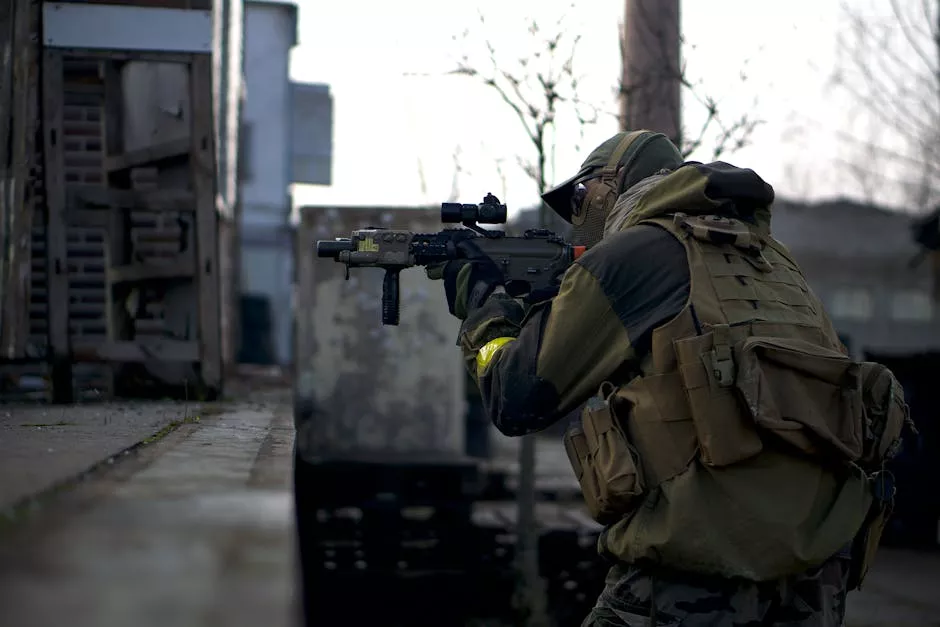
The fragile peace between Ukraine and Russia suffered another blow as Russian forces ignored Ukraine's call for a unilateral ceasefire. The situation escalated dramatically with an attack on a kindergarten in eastern Ukraine, an action Ukrainian President Volodymyr Zelensky denounced as a flagrant violation of humanitarian principles. This move not only undermines the peace efforts but also poses significant challenges for the international community aiming for stability in the region.
Background of the Conflict
Since 2014, Ukraine has been embroiled in a complex and violent conflict with Russian-backed separatists in the eastern regions of Donetsk and Luhansk, following Russia's annexation of Crimea. The Minsk agreements, brokered by France and Germany, have tried to establish a path to peace, though they have largely been ineffective as ceasefire agreements are repeatedly violated by both sides.
The conflict has resulted in thousands of deaths and has displaced millions, creating a severe humanitarian crisis. Despite numerous attempts at dialogue and negotiations mediated by the OSCE, a lasting peace agreement remains elusive.
Recent Developments
The latest call for a ceasefire by President Zelensky was aimed at reducing hostilities and paving the way for peaceful negotiations. However, Russia's swift dismissal of this gesture, coupled with the shocking attack on a civilian target like a kindergarten, signals a troubling escalation in hostilities. This act has drawn widespread condemnation from international leaders and human rights organizations, who see it as a blatant disregard for civilian lives and international law.
Kyiv's Response
In response to this attack, Kyiv is deliberating on both immediate and long-term actions that include diplomatic outreach to international allies, potential economic sanctions, and military reinforcement of vulnerable areas. This situation complicates Ukraine's efforts to mobilize global support, largely due to geopolitical considerations surrounding EU-Russian relations and the US's strategic interests in the region.
Global Implications
The ongoing conflict between Ukraine and Russia has broader implications for Europe's geopolitical stability. It raises concerns over the power dynamics between NATO and Russia, and the future of EU's Eastern Partnership policy. Moreover, the violation of the ceasefire and the subsequent attack may influence the policies and defense spending of neighboring countries, who are concerned about the possibility of the conflict spilling over into their territories.
It also impacts global energy markets, as escalating tensions may disrupt energy supplies from Russia to Europe. Given that Russia is one of the largest natural gas suppliers, any instability could lead to increased energy prices and supply chain disruptions worldwide.
Looking Ahead
While the international community calls for restraint and a renewed commitment to peace talks, the prospects for resolution appear dim. Increased diplomatic efforts are crucial to de-escalate tensions and prevent further civilian casualties. Close monitoring of developments is necessary to prevent the conflict from reaching a broader, more destabilizing phase.
Why It Matters
The significance of Russia's latest actions in Ukraine extends far beyond the immediate conflict, raising critical questions about international law and the global balance of power. This blatant ceasefire violation not only challenges Ukraine's sovereignty but also tests the resolve and unity of Western allies in supporting Ukraine's territorial integrity. Internationally, the attack highlights the limitations of current diplomatic frameworks in resolving entrenched conflicts and poses questions about the efficacy of international institutions in maintaining peace and security.
For the global audience, the situation underscores the ongoing complexities of East-West relations, particularly in the context of post-Cold War geopolitics. This incident will likely influence future diplomatic strategies and could have repercussions for global military alliances, economic sanctions regimes, and energy security strategies. It's crucial for observers to watch how international diplomatic engagements evolve in response to these events and whether they lead to constructive solutions or further division.